London Election Results 2026: A Historic Shift as Reform and Greens Disrupt Labour’s Stronghold

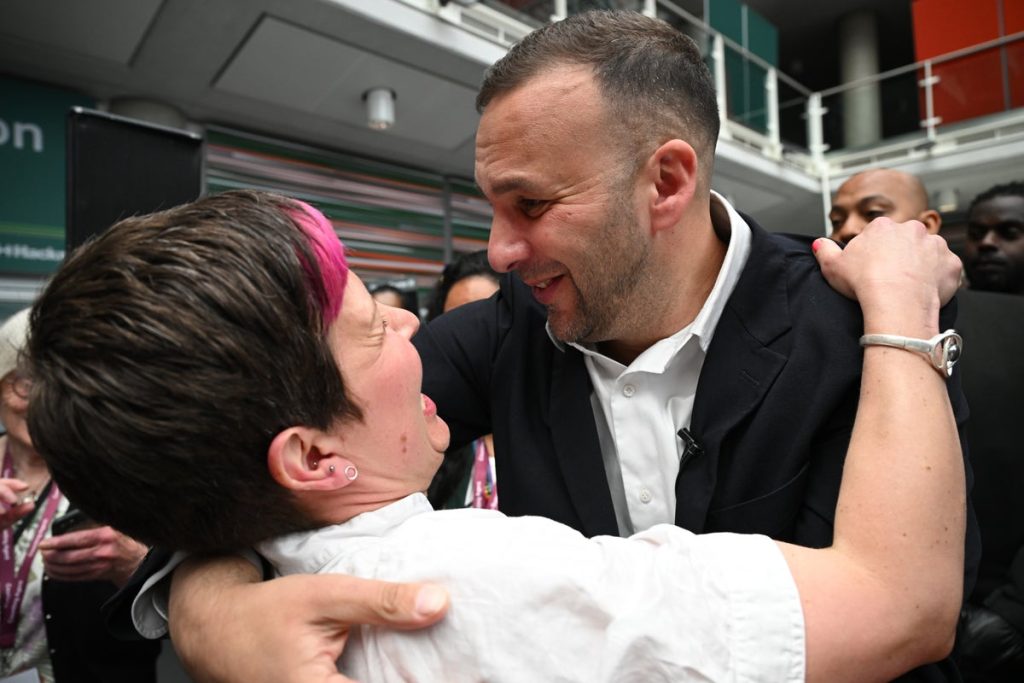
The political landscape of the United Kingdom has undergone a seismic transformation as the 2026 local elections deliver a stern rebuke to the governing Labour Party. In London, a city long considered a bedrock of Labour support, the results are nothing short of revolutionary. With Reform UK securing its first-ever London borough and the Green Party achieving a landmark mayoral victory in Hackney, the capital is witnessing the end of a two-party dominance that has defined British politics for decades.
As votes continue to be tallied across the 32 boroughs, the message from the electorate is clear: voters are looking for alternatives. Sir Keir Starmer’s administration, which ascended to power in 2024, is now facing its most significant domestic crisis as traditional heartlands turn away from Labour in favor of insurgent parties.
The Winds of Change: Why London’s Political Map is Being Redrawn
The 2026 local elections have served as a litmus test for the public’s sentiment toward the current government. After several years of governing, Labour’s grip on London—once seen as impenetrable—has been tested by a combination of voter fatigue and a strategic surge from the political fringes.
The Rise of Reform UK
Nigel Farage’s Reform UK has officially arrived as a major force in urban politics. By capturing Havering, the party has shattered the narrative that their support is limited to rural or northern post-industrial towns. Achieving “new management” status in a London borough is a historic milestone that signals a growing appetite for populist, right-leaning policies among outer-London voters who feel sidelined by the status quo.
The Green Party’s Urban Breakthrough
Conversely, the Green Party’s success in Hackney represents a different kind of disruption. By winning the mayoral race in a borough previously synonymous with Labour, the Greens have proven they can translate environmental concerns and social justice platforms into tangible electoral power. Zoë Garbett’s victory is not just a win for the party; it is a signal that urban progressives are increasingly willing to abandon Labour if they feel the party has drifted too far from its roots.
Key Results: A Breakdown of the London Boroughs
The overnight counts have provided a vivid picture of a city in flux. While some areas remained loyal to the status quo, the overall trend is one of fragmentation and competition.
Westminster and Wandsworth: The Conservative Resurgence
In a stunning reversal of recent trends, the Conservative Party has managed to reclaim Westminster City Council from Labour. Furthermore, the shift in Wandsworth—moving from Labour-controlled to “no overall control”—demonstrates that the Tories remain a potent force in the capital, particularly when Labour’s vote share is squeezed by both the Greens and Reform.
Labour’s Defensive Battle
Despite the losses, Labour has managed to hold its ground in key areas like Hammersmith and Fulham and Ealing. A narrow victory in Merton, which pollsters had labeled a “toss-up” against the Liberal Democrats, provides a temporary sigh of relief for Sir Keir Starmer. However, the margins are razor-thin, suggesting that even in “safe” seats, the Labour brand is under immense pressure.
The Liberal Democrat Strategy
The Liberal Democrats have maintained their influence in traditional strongholds like Richmond-upon-Thames and Sutton. By focusing on hyper-local issues, they have successfully avoided the volatility affecting Labour and the Conservatives, positioning themselves as a stable, centrist alternative for voters concerned about the radical shifts occurring elsewhere in the capital.
Analyzing the 2026 Voter Sentiment
Why has the political map shifted so dramatically in just four years? Political analysts suggest that the 2026 elections reflect a broader “era of five parties,” where the old binary of Labour versus Conservative is being dismantled.
- The “Governing Penalty”: Since 2024, the Labour government has struggled to meet the high expectations set during their general election campaign. Inflation, housing costs, and public service delivery have created a “governing penalty” that has eroded their base.
- The Green Surge: Younger voters and those in inner-city areas are moving toward the Green Party, which is effectively capturing the “left-leaning” vote that feels Labour has become too moderate or unresponsive to climate and social crises.
- The Reform Factor: Reform UK is successfully tapping into the frustrations of working-class voters in outer London who feel that the national political agenda does not address their specific economic anxieties or concerns regarding migration and local infrastructure.
What to Expect Next: The Remaining Results
While the initial counts have dominated the headlines, the process is far from over. With several boroughs still awaiting final tallies, the political composition of London could shift further by the end of the weekend.
Friday Afternoon Counts: A wave of results from remaining boroughs will likely clarify the extent of the “Reform effect” on Labour’s total seat count.
The Tower Hamlets Climax: Expected on Saturday, this result is being watched closely as a bellwether for how the diverse, urban electorate is responding to the current political instability.
- The Mayoral Implications: Beyond Hackney, the results in Croydon, Newham, and Lewisham will determine whether the “Green Wave” is a localized phenomenon or a wider trend that could threaten Labour’s control of the city’s executive offices.
The Future of London Politics
The 2026 local elections will be remembered as the moment London stopped being a “Labour city” and started becoming a competitive, multi-party landscape. For Sir Keir Starmer, the challenge is clear: he must pivot to address the specific grievances of his disillusioned base or risk a continued bleeding of support to both the left and the right.
For Reform UK and the Green Party, the task is now to prove they can govern effectively at the local level. Managing a council like Havering or a borough like Hackney requires a shift from protest politics to policy implementation. As these parties settle into their new roles, the eyes of the nation will be on them. Will they succeed in delivering for their constituents, or will this be a fleeting moment of electoral protest?
One thing is certain: the era of predictable electoral outcomes in London is officially over. The 2026 results have set the stage for a highly competitive and unpredictable political future, where every vote truly counts and no seat is ever truly safe.