Keir Starmer Faces Political Storm: PM Takes Responsibility After Labour’s “Very Tough” 2026 Election Results

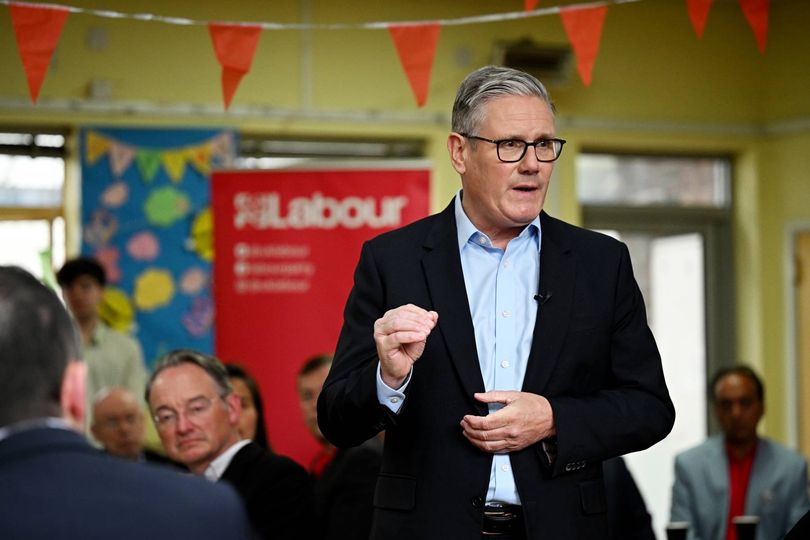
The political landscape in the United Kingdom has shifted dramatically following the 2026 local elections, a period where Starmer takes responsibility for Labour’s ‘very tough’ local election results. Prime Minister Sir Keir Starmer, facing a wave of electoral dissatisfaction and a challenging shift in voter sentiment, has publicly shouldered the blame, demonstrating political accountability for what he described as a “very tough” night for the Labour Party. This comes as hundreds of Labour councillors lost their council seats and Reform UK surged in popularity, finding the Prime Minister at a critical juncture in his premiership.
This article explores the fallout of the 2026 local elections, their general election implications, the rise of populist opposition, and Starmer’s strategy for navigating the most significant political challenge of his term thus far.
A Night of Discontent: Why Labour Suffered
The electoral performance in the 2026 local elections has been described by many political commentators as a “catastrophic” setback for the governing Labour Party, leading to a situation where Starmer takes responsibility for Labour’s ‘very tough’ local election results. Across England, Scotland, and Wales, the electoral map has been redrawn, with traditional Labour strongholds witnessing a massive swing toward alternative parties.
The Rise of Reform UK
One of the most defining features of this election cycle is the undeniable momentum behind Nigel Farage’s Reform UK. The party, which has positioned itself as the primary challenger to the status quo, successfully capitalized on voter fatigue and appealed to crucial swing voters. By securing seats in areas previously considered “safe” for Labour, Reform UK has signaled that the British electorate is in a state of flux.
The “Status Quo” Problem
Starmer acknowledged that the electorate is frustrated, a key factor as Starmer takes responsibility for Labour’s ‘very tough’ local election results. Despite his government’s efforts to stabilize public finances and invest in essential services, many voters feel that the promised “change” from the government policy agenda has yet to materialize in their daily lives. The disconnect between policy and the lived experience of the average citizen has become a recurring theme in post-election analysis.
Starmer’s Response: “I Take Responsibility”
Speaking from the Kingsdown Methodist Church in Ealing, the Prime Minister was candid about the performance of his party, explicitly stating that Starmer takes responsibility for Labour’s ‘very tough’ local election results. He refused to deflect blame or minimize the scale of the losses, emphasizing that the party must now “reflect and respond” to the message sent by voters.
No Sugarcoating the Results
Sir Keir’s admission that there is “no sugarcoating” the results is a departure from typical political rhetoric, reinforcing why Starmer takes responsibility for Labour’s ‘very tough’ local election results. By validating the pain felt by local party members who lost their seats, Starmer attempted to demonstrate accountability. He noted that these councillors were individuals who had dedicated years to their communities, and their displacement represents a profound loss for the party’s local party infrastructure and grassroots structure.
Vowing to Deliver
Despite the mounting pressure and calls from some quarters for a change in strategy, Starmer, as party leadership, remains steadfast, even as Starmer takes responsibility for Labour’s ‘very tough’ local election results. He explicitly stated that these results, while painful, have not weakened his resolve. Instead, he framed the outcome as a catalyst for a more focused approach to delivering the tangible improvements he promised during the general election.
Analyzing the 2026 Political Landscape
The 2026 local council elections serve as a bellwether for the broader national mood, highlighting why Starmer takes responsibility for Labour’s ‘very tough’ local election results. With the Scottish National Party (SNP) maintaining its grip in Scotland and Labour facing unprecedented challenges in Wales, the governing party is currently fighting on multiple fronts.
Economic Shocks and International Tensions
Starmer pointed to a series of economic shocks and a difficult international climate as contributing factors to the current malaise. While these global pressures are undeniably real, the political challenge for the Prime Minister is to convince the public that his administration is the right one to navigate these choppy waters. The failure to communicate a vision of “hope” alongside the harsh realities of governance appears to be a key misstep that the party now seeks to rectify.
The Challenge of Communication
A recurring criticism of the current administration has been its focus on “leveling with the public” about the depth of the country’s challenges without balancing that narrative with a clear path to prosperity, a factor contributing to why Starmer takes responsibility for Labour’s ‘very tough’ local election results. Starmer admitted that while the government was right to be honest about the state of the economy, it failed to sufficiently convince the public that things would get better.
What Comes Next for the Labour Party?
In the coming days, the Prime Minister is expected to outline a series of concrete steps aimed at addressing the concerns raised by voters, following the period where Starmer takes responsibility for Labour’s ‘very tough’ local election results. This “reset” is likely to involve a combination of policy adjustments and a renewed emphasis on the core promises that formed Labour’s policy platform and brought them to power.
Reflecting and Responding
The process of reflection will likely be painful for many within the Labour movement, especially after Starmer takes responsibility for Labour’s ‘very tough’ local election results. However, it is a necessary step for a party that aims to regain the trust of the electorate. The key questions for the administration in the coming months will be:
- Can the government turn the tide on the economy?
- How will Labour effectively counter the rise of Reform UK?
- Can Starmer bridge the gap between “tough” policy decisions and public optimism?
Strengthening Resolve
Starmer’s insistence that his resolve has been “strengthened” suggests that he intends to double down on his current agenda rather than abandon it, even after Starmer takes responsibility for Labour’s ‘very tough’ local election results. Whether this approach proves to be a bold move that restores confidence or a stubborn strategy that alienates further voters remains to be seen.
The Broader Impact on UK Politics
The 2026 local elections have cemented the fact that the UK political system is moving toward a more fragmented and competitive environment, a reality underscored by the fact that Starmer takes responsibility for Labour’s ‘very tough’ local election results. The traditional two-party dominance is being challenged by populist movements that thrive on voter frustration.
For the Labour Party, the road ahead is steep, particularly after Starmer takes responsibility for Labour’s ‘very tough’ local election results. The loss of councillors is not just a statistical blow; it is a loss of the party’s “boots on the ground” infrastructure, impacting its capacity for grassroots activism. Rebuilding this will require more than just rhetoric; it will require proven results that the average voter can see and feel in their community.
Conclusion: A Turning Point for Starmer
The 2026 local elections will be remembered as a defining moment in Keir Starmer’s time as Prime Minister. By taking full responsibility for the “very tough” results, he has attempted to clear the air and set a new tone for his government. However, the political reality is unforgiving.
The Prime Minister now faces the monumental task of proving that his vision for the country is still valid and achievable, especially after Starmer takes responsibility for Labour’s ‘very tough’ local election results. As he prepares to set out his new agenda, the eyes of the nation—and his political opponents—will be fixed on whether he can transform this moment of crisis into a period of genuine recovery.