UK Local Election 2026: Labour’s Crushing Defeat and the Rise of Reform UK

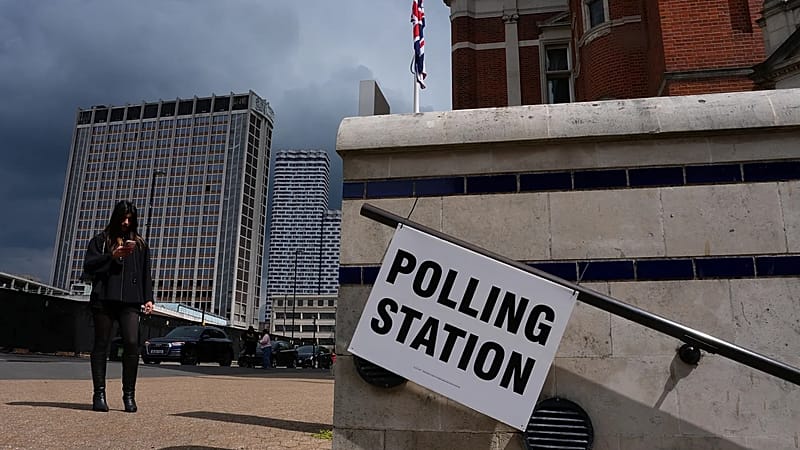
The political landscape of the United Kingdom has shifted seismically. As the dust settles on the 2026 local elections, the results serve as a harsh, unofficial referendum on Prime Minister Keir Starmer’s administration. Less than two years after securing a landslide victory in July 2024, the Labour Party finds itself bleeding support, while Nigel Farage’s Reform UK has emerged as the primary beneficiary of voter discontent.
A Seismic Shift in British Politics
The partial results emerging from England tell a story of profound disillusionment. Across traditional Labour heartlands—particularly in the North—voters who once formed the backbone of the party’s support have turned toward Reform UK. This is not merely a protest vote; it is a fundamental realignment of the British electorate.
Political analysts, including Professor John Curtice, have described this as the dawn of a new, fragmented political era. The days of binary dominance between Labour and the Conservatives appear to be waning, replaced by a landscape where no single party commands a majority of the public’s confidence.
The Rise of Reform UK
Nigel Farage, leader of Reform UK, has declared these results an “historic change.” By campaigning on a platform of strict immigration control and anti-establishment rhetoric, Reform has successfully dismantled the “Red Wall.” The party’s success in northern working-class areas highlights a deep-seated frustration with the status quo, as voters feel ignored by the Westminster elite.
Why Has Starmer’s Popularity Plummeted?
The rapid decline of Keir Starmer’s approval ratings is unprecedented for a government so early in its term. While the Prime Minister inherited a difficult economic situation, his administration’s inability to deliver on core promises—such as repairing crumbling public services and easing the cost of living—has alienated his base.
Policy Missteps and Scandals
The government’s struggles have been exacerbated by several high-profile blunders. The decision to appoint Peter Mandelson as the British ambassador to the United States sparked widespread public outrage, given his controversial associations. Furthermore, frequent policy U-turns, particularly regarding welfare reform, have painted a picture of a government lacking in direction and conviction.
External pressures have also played a role. The ongoing volatility caused by the Iran war and the subsequent disruption of oil shipments through the Strait of Hormuz have pushed energy prices higher, further straining the pockets of ordinary British citizens.
The Internal Labour Crisis
The fallout from these election results has already begun to manifest within the Labour Party. While Deputy Prime Minister David Lammy has urged the party to remain steady, warning that “you don’t change the pilot during the flight,” the backbenches are growing restless.
Potential Leadership Challenges
High-profile figures within the party are reportedly positioning themselves for a potential coup. Names frequently mentioned as potential successors include:
Wes Streeting: Known for his pragmatic approach to the NHS.
Angela Rayner: A popular figure among the party’s grassroots.
Andy Burnham: The Mayor of Greater Manchester, who has long been seen as a potential alternative to the current leadership.
Labour lawmaker Jonathan Brash has been vocal, stating, “I don’t think Keir Starmer should survive these results.” This sentiment reflects a growing fear among Labour MPs that if the current trajectory continues, they face a total rout in the 2029 national election.
The Broader Political Landscape
While Reform UK and Labour dominate the headlines, the wider picture remains complex. The Conservative Party continues to lose ground, struggling to find its identity in the wake of its 2024 defeat. Meanwhile, the Liberal Democrats have managed to secure modest gains, positioning themselves as a centrist alternative for voters disillusioned by both the left and the right.
In Scotland and Wales, the dynamics are equally intriguing. While Reform UK is attempting to make inroads, regional parties like the Scottish National Party (SNP) and Plaid Cymru remain the dominant forces in their respective devolved parliaments. The fragmentation of British politics means that forming stable governments—even at the local level—has become significantly more difficult.
What Lies Ahead for 2026 and Beyond?
The next few days will be critical as the final results from London and other major councils are tallied. If the trend of Labour losses continues, pressure on Starmer to set a timeline for his departure will become insurmountable.
The Prime Minister faces a binary choice: either undergo a radical cabinet reshuffle and pivot his policy agenda, or face a formal leadership challenge. For now, Starmer insists he will not resign, but the “unofficial referendum” of the 2026 local elections suggests that the British public has already made up its mind.
Key Takeaways for Voters
Fragmentation is the new normal: No party has a clear path to hegemony.
Economic anxiety persists: Cost-of-living issues remain the primary driver of voter behavior.
Reform UK is a permanent fixture: The party has successfully captured the anti-establishment vote.
- Labour’s mandate is at risk: The party must reconnect with its northern heartlands or risk losing power in 2029.
As we look toward the remainder of 2026, the question is no longer just about the economy or foreign policy—it is about the survival of the current government. Whether Starmer can regain the trust of the electorate or if this marks the beginning of the end for his premiership remains to be seen. One thing is certain: the era of predictable politics in the UK is officially over.