Legal Proceedings: Alex Jenkinson Denies Threatening Andrew Mountbatten-Windsor

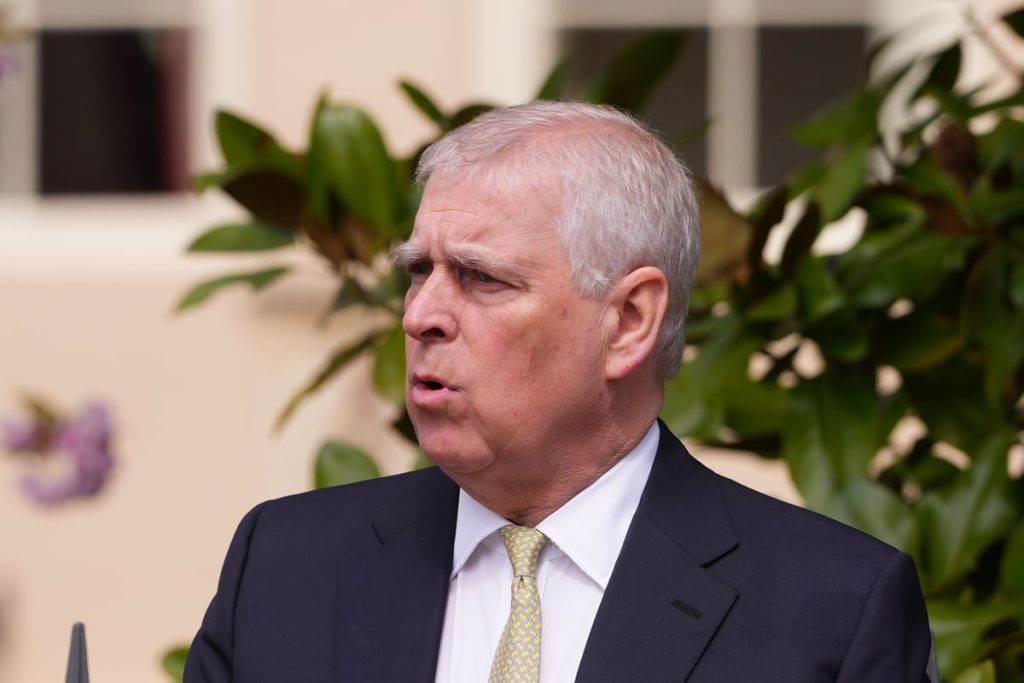
The security of high-profile public figures remains a focal point of discussion in 2026, particularly following recent legal developments involving members of the Royal Family. A significant case has unfolded at Westminster Magistrates’ Court, where 39-year-old Alex Jenkinson has formally entered a plea regarding allegations of threatening behavior directed toward Andrew Mountbatten-Windsor.
This incident, which reportedly took place near the Sandringham Estate, has garnered widespread media attention. As legal proceedings move forward, the case highlights the complex intersection of public security, royal privacy, and the judicial process in the United Kingdom.
The Incident Near the Sandringham Estate
The allegations center on an encounter that occurred on May 6. According to reports, Andrew Mountbatten-Windsor was engaged in a routine activity—walking his dogs—near his property in Wolferton, situated on the historic Sandringham Estate in Norfolk.
It was during this walk that the alleged confrontation took place. The proximity of the incident to the private residence of the former Duke of York has raised questions regarding the security protocols surrounding members of the extended Royal Family. While the Royal Protection teams are typically vigilant, incidents of this nature remind the public that even in the quiet reaches of the English countryside, high-profile individuals are not immune to public confrontation.
Court Appearance and Formal Pleas
Alex Jenkinson, residing in Debenham, Suffolk, appeared before the Westminster Magistrates’ Court to address the charges brought against him. The legal proceedings were marked by specific pleas that have set the stage for a broader trial.
The Not Guilty Plea
Jenkinson has officially pleaded not guilty to the charge of using threatening, abusive, or insulting words or behavior with the intent to cause fear or provoke unlawful violence against Andrew Mountbatten-Windsor. This plea suggests that the defense will likely contest the nature of the verbal exchange and whether the intent behind the interaction meets the legal threshold for the charges filed.
Additional Legal Charges
The case is further complicated by additional counts involving the same defendant:
Failure to provide a specimen: Jenkinson entered a guilty plea regarding the charge of failing to provide a specimen of blood while in police custody on the day of his arrest.
Second threatening behavior charge: The defendant also pleaded not guilty to a separate charge of using threatening, abusive, or insulting words or behavior with intent to cause fear or provoke unlawful violence against another individual, Stephen Terry, in King’s Lynn on May 5—the day prior to the encounter with Mountbatten-Windsor.
Security Implications for Royal Residences
In 2026, the security of royal properties continues to be a subject of intense scrutiny. The Sandringham Estate, a vast and semi-public space, presents unique challenges for security details. While the estate is a private residence, parts of it are accessible to the public, creating a delicate balance between royal privacy and public access.
Legal experts have noted that the prosecution of these charges serves as a deterrent. By aggressively pursuing cases where public figures are harassed or threatened, the Crown Prosecution Service (CPS) reinforces the legal standard that no individual, regardless of their public status, should be subject to intimidation.
Understanding the Legal Threshold for “Threatening Behavior”
The legal definition of “threatening, abusive or insulting words or behavior” under the Public Order Act is a critical component of this case. To secure a conviction, the prosecution must prove more than just the use of offensive language.
- Intent: The prosecution must demonstrate that the defendant intended to cause the victim to fear for their safety or intended to provoke immediate unlawful violence.
- Context: The court will evaluate the environment in which the words were spoken. The fact that the victim was in a private capacity, walking his dogs, is a factor the magistrate will weigh when determining the level of alarm or distress caused.
- Behavioral Patterns: The inclusion of the separate incident involving Stephen Terry suggests that the prosecution may be looking to establish a pattern of behavior leading up to the incident with Mountbatten-Windsor.
Public and Media Reaction
The news of the incident has sparked a wide variety of reactions. Supporters of the Royal Family have expressed concern regarding the safety of Andrew Mountbatten-Windsor, while others have debated the effectiveness of current security measures on the Sandringham grounds.
From an SEO perspective, this case remains highly relevant as it touches on search trends regarding Royal Family security, legal updates on Andrew Mountbatten-Windsor, and UK criminal justice news. The ongoing nature of the trial ensures that public interest will remain high as further evidence is presented in the coming months.
Conclusion: What Happens Next?
As the case of R v. Jenkinson progresses, the focus will shift to the evidentiary stage. The defense will likely seek to clarify the context of the interaction, while the prosecution will rely on witness statements and potentially surveillance footage to substantiate the claims of threatening behavior.
For the public, this case serves as a sober reminder of the complexities inherent in the lives of public figures. Whether the court finds the defendant guilty or clears him of the primary charges, the trial will undoubtedly contribute to the ongoing discourse regarding personal safety and the limits of free speech when it crosses into intimidation.
We will continue to monitor the Westminster Magistrates’ Court proceedings for updates. As of mid-2026, this remains a developing story that highlights the intersection of high-profile status and the standard application of the law.