Lurgan Car Bomb Trial: Inside the Attempted Murder Case Against Barry Anthony Toman

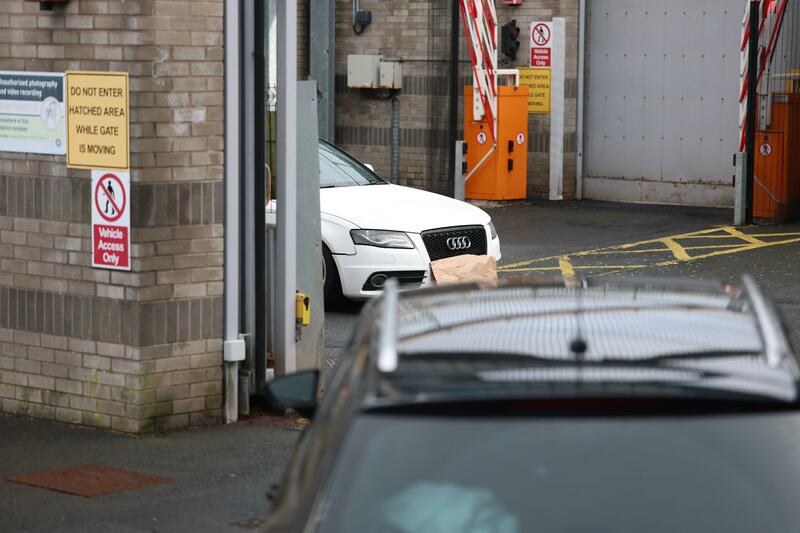
The security landscape in Northern Ireland remains a point of intense public interest, particularly following the chilling events of March 30. A 47-year-old man, identified as Barry Anthony Toman of Drumnamoe Avenue, Lurgan, has appeared before Craigavon Magistrates’ Court to face grave charges, including attempted murder. This legal proceeding marks a significant development in the ongoing investigation into the attempted car bomb attack on the Lurgan PSNI station—an incident that shook the local community and drew widespread condemnation.
As the court proceedings unfold, the details emerging from the prosecution paint a picture of a calculated, high-stakes terror plot that miraculously resulted in no fatalities. The case has thrust the activities of the “New IRA” back into the spotlight, as authorities work to dismantle the networks behind such violent acts of intimidation.
The Anatomy of a Failed Terror Attack
The incident, which took place on the night of March 30, was not merely a random act of violence but a sophisticated, albeit failed, operation. The perpetrators targeted a pizza delivery driver in the Kilwilkie area of Lurgan, hijacking his vehicle and coercing him into transporting a lethal device directly to the gates of the local police station.
The Device: A Calculated Threat
According to the PSNI detective chief inspector (DCI) overseeing the case, the explosive device was far from rudimentary. It was described as a timed pipe bomb packed with explosives and shrapnel. To ensure “maximum fire damage,” the device was surrounded by jars filled with flammable liquids. Had the mechanism functioned as intended, the potential for loss of life—both for the driver and the police personnel on duty—would have been catastrophic.
The Role of Coercion
The hijacking of a civilian delivery driver highlights the brutal tactics employed by dissident republican groups. By using an innocent member of the public as a human pawn, the attackers sought to bypass security perimeters. The driver was forced to navigate the streets of Lurgan, unaware of the lethal cargo in his boot, until he reached the police station and alerted officers to the imminent danger.
Legal Proceedings and Prosecution Evidence
Barry Anthony Toman’s appearance via video link at Craigavon Magistrates’ Court provided the first glimpse into the evidence gathered by the PSNI. The prosecution has labeled Toman a “committed, violent terrorist,” citing a combination of forensic data and digital evidence to link him to the crime.
The DNA Breakthrough
The cornerstone of the prosecution’s case rests on forensic evidence. The DCI informed the court that Toman’s DNA was identified on five distinct components of the bomb, including:
An AA battery found in the boot of the hijacked car.
The edge of the battery compartment.
A piece of tape used to secure the wiring.
A screw utilized in the device’s construction.
While the defense solicitor, Gavin Booth, challenged the strength of this evidence—noting that DNA can be transferred and that the samples were “mixed”—the magistrate remained satisfied that there was sufficient evidence to connect the accused to the charges.
Digital Footprints and CCTV
Beyond the biological evidence, the prosecution detailed a trail of digital breadcrumbs. The investigation revealed that the phone used to place the fake pizza order—which lured the driver into the trap—was a prepay device with no personal details attached. However, police tracked a £20 top-up for this phone to a 15-year-old boy, and subsequently found a photograph of a £20 note on Toman’s phone, taken hours before the transaction.
Furthermore, the DCI noted that Toman’s home address, the site of the hijacking, and the location of the fake delivery order all fell within the same phone cell site, suggesting a concentrated area of activity. Toman’s phone also showed evidence of data deletion, with no commands recorded prior to April 5, which the prosecution argued was a deliberate attempt to scrub evidence.
The Defense’s Perspective
During the hearing, the defense team sought to poke holes in the PSNI’s narrative. Gavin Booth argued that the CCTV footage provided was insufficient to identify the perpetrators definitively. He also emphasized that the “preliminary” DNA findings were not conclusive, highlighting the complexities of “mixed samples” in forensic science.
The defense also noted that Toman, who has a background in construction work, would naturally have been in contact with tools, screws, and batteries, potentially explaining the presence of his DNA on components of the device. This “innocent contact” theory is expected to be a central pillar of the defense as the trial progresses.
Broader Implications for Northern Ireland Security
The attempted Lurgan bombing is a stark reminder of the persistent threat posed by dissident republican factions. Despite the peace process, groups like the New IRA continue to attempt to destabilize the region through acts of terrorism.
Community Impact
The residents of Lurgan, particularly those in the Kilwilkie area, have been deeply affected by the event. The evacuation of nearby premises and the disruption caused by the police cordon underscored the volatility of the situation. For a community striving for stability, such incidents serve as a painful disruption to daily life.
The PSNI’s Stance
The PSNI continues to treat these incidents with extreme gravity. The use of army technical officers to defuse the device demonstrates the ongoing risk to public safety. As the investigation moves toward the next court date on June 5, the PSNI remains under pressure to secure a conviction that reflects the severity of the charges, including attempted murder and the possession of explosives with intent to endanger life.
Conclusion: The Path Ahead
As the legal process continues into 2026, all eyes remain on the Craigavon Magistrates’ Court. The case against Barry Anthony Toman is complex, relying on a synthesis of forensic science, digital forensics, and circumstantial evidence. Whether the prosecution can prove beyond a reasonable doubt that Toman was the architect behind this failed attack remains to be seen.
For the people of Lurgan, the trial represents a search for justice and a desire for the violence of the past to remain firmly behind them. The outcome of this case will undoubtedly serve as a critical benchmark for how the justice system handles modern-day terrorism in Northern Ireland.