Strait of Hormuz Crisis: Iran Accuses US of ‘Reckless Military Adventure’ Amid Fragile Ceasefire

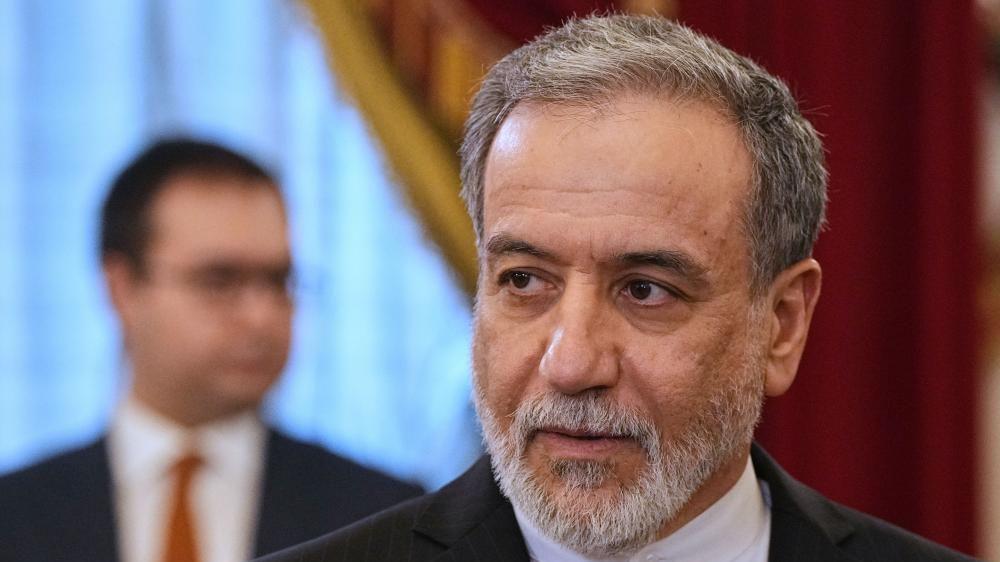
The geopolitical landscape of the Middle East remains on a knife-edge in 2026 as tensions in the Strait of Hormuz reach a boiling point. Following a series of violent maritime skirmishes this week, Iranian Foreign Minister Abbas Araghchi has launched a scathing critique of Washington, accusing the United States of pursuing a “reckless military adventure” precisely when diplomatic pathways toward a resolution appear to be gaining momentum.
As the US and Iran navigate the complexities of a war that began in February, the international community watches with bated breath. With 20% of the world’s oil and liquefied natural gas (LNG) flowing through the Strait, the ongoing naval friction, which has led to Iran accusing the US of ‘reckless military adventure’, is sending shockwaves through global energy markets.
The Flare-Up: A Breakdown of the Latest Skirmishes
The recent escalation began when the US Central Command (Centcom) reported that Iranian forces launched a coordinated strike involving missiles, drones, and small boats against three US warships. The US military characterized the action as an “unprovoked attack,” signaling a hardening stance from the Pentagon, even as Iran accuses the US of ‘reckless military adventure’.
Conversely, Tehran has presented a drastically different narrative. Iranian military officials allege that the US initiated the hostility by targeting an Iranian oil tanker and another merchant vessel near the Strait. Furthermore, Iran claims that the US conducted unauthorized “aerial attacks” on several coastal areas, further destabilizing an already volatile region, reinforcing why Iran accuses the US of ‘reckless military adventure’.
Human and Economic Toll
The human cost of these maneuvers is mounting. In the Hormozgan province, local officials reported that a cargo vessel near Minab was struck and caught fire, resulting in at least ten injuries. Simultaneously, the United Arab Emirates—a key US ally in the region—confirmed that its air defense systems intercepted two ballistic missiles and three unmanned aerial vehicles (UAVs) launched from Iranian territory, leaving three people moderately injured, all amidst the backdrop where Iran accuses the US of ‘reckless military adventure’.
Araghchi’s Stance: “Iranians Never Bow to Pressure”
In a defiant post on X (formerly Twitter), Foreign Minister Abbas Araghchi underscored the Iranian government’s refusal to yield to external coercion. His rhetoric highlights a recurring pattern that Tehran perceives in American foreign policy: the abandonment of diplomacy in favor of aggressive posturing, a pattern that leads Iran to accuse the US of ‘reckless military adventure’.
“Every time a diplomatic solution is on the table, the US opts for a reckless military adventure,” Araghchi stated. He questioned the motive behind these actions, asking if they were merely “crude pressure tactics” or the result of political spoilers attempting to trap President Donald Trump into another Middle Eastern quagmire.
The Diplomatic Paradox
Despite the fiery rhetoric and active combat, a fragile ceasefire remains nominally in effect. US Secretary of State Marco Rubio, currently on a diplomatic mission in Italy, has expressed hope that Iran’s upcoming response to US proposals will be “a serious offer.” This creates a bizarre, dual-track reality where military commanders exchange fire in the morning while diplomats exchange proposals by the afternoon, even as Iran accuses the US of ‘reckless military adventure’.
President Trump’s “Peace Through Strength” Strategy
President Donald Trump has maintained an aggressive posture on Truth Social, framing the military engagement as a necessary response to Iranian provocation. He confirmed that the US successfully destroyed several small boats, missiles, and drones, promising that future engagements would be “a lot harder” and “a lot more violent” unless a deal is signed promptly, a stance that only strengthens why Iran accuses the US of ‘reckless military adventure’.
The Naval Blockade and Strategic Pressure
The US continues to enforce a naval blockade of Iranian ports, a move designed to force Tehran to the negotiating table. This strategy is part of a broader operation to free nearly 2,000 vessels stranded in the region since the conflict began in February. However, critics argue that this blockade is not only deepening the humanitarian crisis but also effectively choking global supply chains, leading to a surge in energy prices that affects economies worldwide, further fueling why Iran accuses the US of ‘reckless military adventure’.
Global Economic Implications: The Cost of Conflict
The Strait of Hormuz is arguably the world’s most critical maritime chokepoint. With approximately one-fifth of global oil and gas supplies passing through these waters, the ongoing conflict, exacerbated by the very actions for which Iran accuses the US of ‘reckless military adventure’, is a primary driver of current inflationary pressures.
Why Markets Are Nervous
- Supply Chain Disruption: The inability of cargo vessels to transit safely has created a backlog, increasing shipping insurance premiums and operational costs.
- Energy Price Volatility: Every report of a fire or a missile launch causes immediate fluctuations in Brent Crude prices, impacting everything from transport costs to manufacturing.
- Long-Term Economic Hit: Gulf economies are facing a “lost growth” scenario. As infrastructure is damaged and regional security becomes a premium, foreign investment is rapidly drying up.
The Role of Spoilers and Political Dynamics
One of the most intriguing aspects of Araghchi’s statement is the reference to “spoilers” who might be “duping POTUS into another quagmire.” This suggests that within the Iranian leadership, there is a belief that President Trump is being influenced by hardline advisors or regional allies who prefer a continuation of the war over a negotiated settlement, a belief that underpins why Iran accuses the US of ‘reckless military adventure’.
Whether this is a genuine assessment or a tactical narrative designed to shift blame away from the Iranian leadership remains a subject of intense debate among geopolitical analysts. What is clear, however, is that the window for a peaceful resolution is narrowing as the frequency of maritime clashes increases.
Future Outlook: Can Diplomacy Prevail?
As we look toward the end of the week, all eyes are on the expected Iranian response to the US proposal. If Tehran agrees to substantive talks, the current cycle of “reckless military adventure” may be paused. If they reject the terms or if the US deems their response insufficient, the risk of a full-scale regional conflict becomes significantly higher.
The current situation is a quintessential example of the “security dilemma,” where defensive actions by one side are perceived as offensive threats by the other, leading to an uncontrollable spiral of escalation. The international community, led by European powers and Asian energy importers, is under immense pressure to mediate before the Strait of Hormuz becomes the epicenter of a broader, more devastating war, especially as Iran accuses the US of ‘reckless military adventure’.
Key Considerations for the Coming Days:
The Response: Will Iran offer a compromise that addresses US concerns regarding naval activity?
The Ceasefire: Can the ceasefire hold under the weight of recurring kinetic strikes?
- The Markets: How will energy markets react to the next round of diplomatic news?
Ultimately, the resolution of this conflict will require more than just military posturing. It will require a fundamental shift in how both Washington and Tehran approach the concept of sovereignty and security in the Persian Gulf. Until then, the world remains on edge, watching the Strait of Hormuz for the next sign of either peace or total collapse, with the constant tension of why Iran accuses the US of ‘reckless military adventure’ looming large.