Strait of Hormuz Crisis 2026: US Disables Iranian Tankers as Fragile Ceasefire Teeters on the Brink

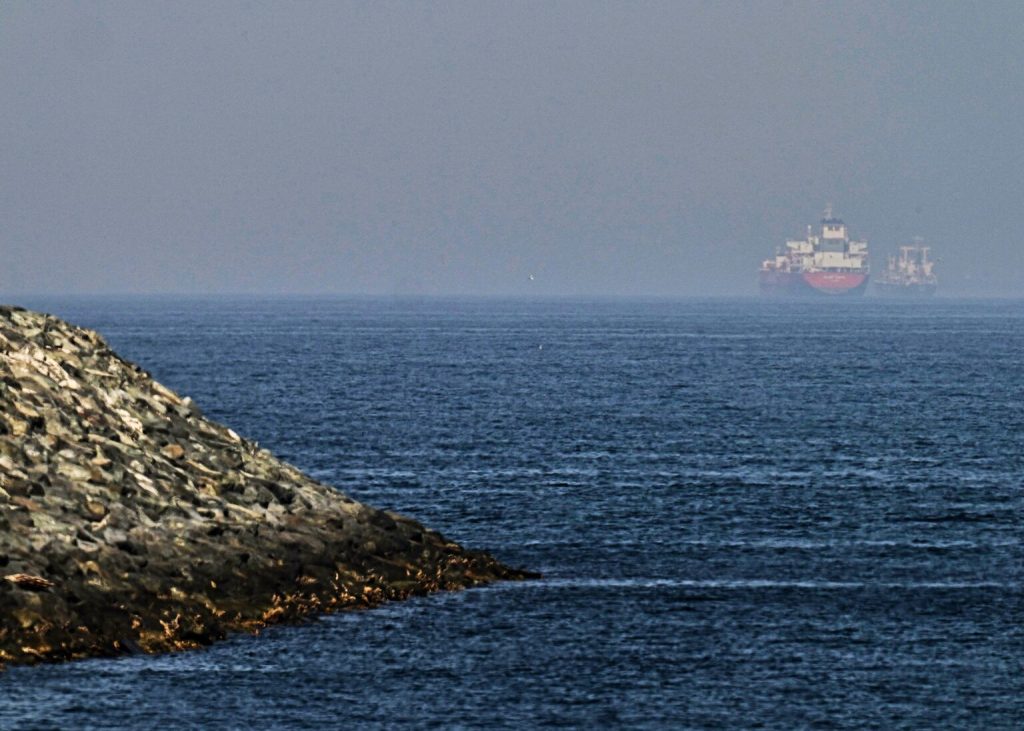
The global energy landscape is currently facing its most significant challenge in decades. On Friday, May 2026, the Strait of Hormuz became the theater for a dramatic military escalation. The world watched as US fires on two more Iranian tankers as tensions rise in Strait of Hormuz, an event that followed a night of intense fire exchange between the two nations, casting a dark shadow over the month-old ceasefire that many hoped would lead to regional stability.
As the 2026 Middle East war enters a critical new phase, marked by events such as US fires on two more Iranian tankers as tensions rise in Strait of Hormuz, the international community is watching with bated breath. The tension in the Persian Gulf has reached a boiling point, with maritime security and global fuel prices hanging in the balance.
The Friday Engagement: A Tactical Strike at Sea
According to reports from the US military, the engagement on Friday, which saw US fires on two more Iranian tankers as tensions rise in Strait of Hormuz, was a calculated response to what Washington describes as a breach of the American blockade. The two Iranian tankers were reportedly attempting to maneuver through the Strait of Hormuz to reach open waters when they were intercepted.
The US military released chilling footage of the operation, detailing how US fires on two more Iranian tankers as tensions rise in Strait of Hormuz were executed. In the video, an American fighter jet is seen targeting the smokestacks of the tankers, effectively disabling their propulsion systems without sinking the vessels. This tactical choice suggests a desire to stop the ships while avoiding a catastrophic environmental disaster—though, as we shall see, the ecological damage in the region is already mounting.
Thwarted Attacks and Retaliatory Strikes
The Friday morning incident, where US fires on two more Iranian tankers as tensions rise in Strait of Hormuz, was not an isolated event. It followed a chaotic Thursday night during which the US military successfully thwarted Iranian attacks on three Navy ships. In retaliation, US forces struck several Iranian military facilities located along the strategic coastline of the strait.
“They threaten Americans, they are going to be blown up,” stated US Secretary of State Marco Rubio, a statement that resonates strongly after the recent US fires on two more Iranian tankers as tensions rise in Strait of Hormuz. His rhetoric underscores the “zero-tolerance” policy the administration has adopted toward Iranian maritime maneuvers in 2026.
The UAE Under Fire: Missiles and Drones
While the focus remains on the water, the conflict has spilled over into the territories of regional allies. The United Arab Emirates (UAE) Defence Ministry reported a significant aerial assault on Friday.
Casualties: Three people were wounded in the attack.
Weaponry: Air defenses engaged two ballistic missiles and three drones launched from Iranian territory.
Outcome: While some interceptions were successful, the UAE has not confirmed if all projectiles were neutralized before impact.
This escalation against the UAE, occurring in the wake of events like US fires on two more Iranian tankers as tensions rise in Strait of Hormuz, complicates the geopolitical landscape, drawing neighboring nations deeper into the friction between Washington and Tehran.
A Ceasefire in Name Only?
The central paradox of the current situation, highlighted by the recent US fires on two more Iranian tankers as tensions rise in Strait of Hormuz, is the status of the ceasefire. Established just one month ago, the agreement was intended to provide a diplomatic window for ending the war that began on February 28, 2026.
President Donald Trump has maintained that the ceasefire is technically “holding,” despite the active exchange of fire. However, the view from Tehran is starkly different. Iranian Foreign Minister Abbas Araghchi took to social media to condemn the US actions, specifically the US fires on two more Iranian tankers as tensions rise in Strait of Hormuz, labeling them a “reckless military adventure” that violates the spirit of any diplomatic solution.
The Diplomatic Proposal on the Table
- A permanent end to the war.
- The full reopening of the Strait of Hormuz.
- A significant rollback of Tehran’s disputed nuclear program.
Secretary Rubio expressed hope for a “serious offer” from Iran, but the continued military engagements, exemplified by the recent US fires on two more Iranian tankers as tensions rise in Strait of Hormuz, suggest that both sides are using force to gain leverage at the negotiating table.
The “Persian Gulf Strait Authority” and the Blockade War
One of the most contentious developments in 2026 is the creation of the Persian Gulf Strait Authority. This Iranian agency was established to vet and tax ships seeking passage through the strait.
Marco Rubio has called this agency “unacceptable,” especially in the context of events like US fires on two more Iranian tankers as tensions rise in Strait of Hormuz, questioning whether the world is prepared to accept Iranian control over an international waterway. Currently, hundreds of commercial vessels are effectively “bottled up” in the Persian Gulf, unable to reach the open sea due to the dual blockade:
Iran’s Blockade: Closing the strait to most global energy shipments.
US Blockade: Preventing Iranian oil from leaving its own ports.
Environmental Fallout: The Kharg Island Oil Slick
Beyond the immediate military casualties, and exacerbated by the recent US fires on two more Iranian tankers as tensions rise in Strait of Hormuz, an environmental crisis is unfolding. Satellite imagery has revealed a massive oil slick emanating from the western side of Kharg Island, Iran’s primary crude export terminal.
Size: Approximately 95 square kilometers (36 square miles).
Movement: Spreading southwest at a rate of two kilometers per hour.
Risk: Ecologically sensitive marine areas in the Gulf are at high risk of contamination.
While the Pentagon has declined to comment on whether recent US strikes, including the US fires on two more Iranian tankers as tensions rise in Strait of Hormuz, caused the spill, maritime intelligence suggests the leak began earlier in the week, prior to the Friday engagement. Regardless of the cause, the spill represents a long-term threat to the region’s marine biodiversity.
Global Economic Impact: Fuel Prices and Market Volatility
The closure of the Strait of Hormuz—a vital artery for oil, gas, and fertilizer—has sent shockwaves through the global economy, further intensified by events such as US fires on two more Iranian tankers as tensions rise in Strait of Hormuz. Since the war began in February, fuel prices have seen a historic spike, rattling world markets and forcing nations to take drastic measures.
South Korea and China: Two Sides of the Crisis
The impact is felt most acutely in Asia. South Korea, which historically imports over 60% of its crude through the strait, has been forced to cap prices on petrol and other petroleum products to prevent economic collapse. On Friday, a tanker that managed to pass through the strait in mid-April finally arrived in South Korea with one million barrels of crude—a small relief in a high-pressure environment, especially after the recent US fires on two more Iranian tankers as tensions rise in Strait of Hormuz.
Meanwhile, China continues to navigate the crisis, including the fallout from US fires on two more Iranian tankers as tensions rise in Strait of Hormuz, through a different lens. Despite the effective closure of the waterway, China has continued to import Iranian oil. Recently, a Chinese-crewed tanker was attacked near the strait, highlighting the risks Beijing is willing to take to maintain its energy security.
The Role of Global Mediators
As the two superpowers of the conflict trade blows, exemplified by the recent US fires on two more Iranian tankers as tensions rise in Strait of Hormuz, other nations are working feverishly behind the scenes to prevent a total collapse into full-scale regional war. Pakistani Prime Minister Shehbaz Sharif has emerged as a key mediator, stating that his government has been in contact with both the US and Iran “day and night.”
The goal of these diplomatic efforts is twofold:
- To extend the fragile ceasefire.
- To facilitate a peace deal that satisfies the security concerns of the US and Israel while addressing Iran’s economic and sovereign demands.
Future Outlook: Escalation or Resolution?
The events of Friday, particularly the US fires on two more Iranian tankers as tensions rise in Strait of Hormuz, have left the world at a crossroads. President Trump has reiterated threats to resume “full-scale bombing” if Iran does not accept the terms to reopen the strait. On the other hand, the Iranian judiciary reported that a US strike overnight killed at least one sailor and injured ten others on a cargo vessel, further fueling the fire of Iranian resistance.
The Strait of Hormuz remains the most dangerous four miles of water on the planet, a fact underscored by the recent US fires on two more Iranian tankers as tensions rise in Strait of Hormuz. Whether the “serious offer” Rubio is looking for arrives or the region descends further into chaos depends on the decisions made in Washington and Tehran over the next 48 hours.
Key Takeaways from the 2026 Crisis:
Military Dominance: The US continues to use precision strikes to disable Iranian maritime assets, as seen with the US fires on two more Iranian tankers as tensions rise in Strait of Hormuz.
Economic Stranglehold: The dual blockade is causing unprecedented global energy inflation.
Diplomatic Fragility: The ceasefire exists on paper, but the reality on the water is one of active combat.
Environmental Danger: The Kharg Island oil spill highlights the “hidden” costs of maritime warfare.
As we move deeper into 2026, the question remains: Can a diplomatic solution be found before the “tenuous ceasefire” breaks entirely, especially after events like US fires on two more Iranian tankers as tensions rise in Strait of Hormuz, leading to a conflict that the world may not be able to contain?