The Rise of ‘Covid 2.0’: Why Hantavirus Conspiracies Are Flooding Social Media in 2026

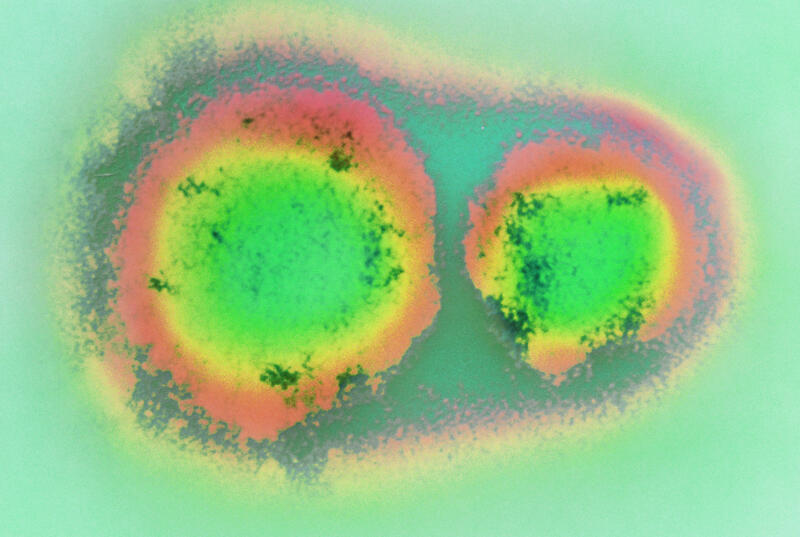
The high seas have always been a backdrop for tales of mystery and peril, but in May 2026, the luxury cruise ship MV Hondius became the epicenter of a very modern kind of storm. As news broke of a deadly hantavirus outbreak onboard, the digital world didn’t just report the facts—it ignited. Within hours, the term “Covid 2.0” began trending, signaling the return of pandemic-era anxieties and the rapid-fire resurrection of conspiracy theories that many hoped had been buried years ago.
While the medical reality involves a rare, rodent-borne pathogen, the social reality is far more chaotic. From claims of “pre-planned” outbreaks to “bioweapon” allegations, the hantavirus situation on the MV Hondius is being viewed through the distorted lens of the 2020 pandemic. This article explores the facts behind the 2026 hantavirus outbreak, deconstructs the viral misinformation, and explains why this “Covid 2.0” narrative is both scientifically inaccurate and socially dangerous.
The MV Hondius Outbreak: What Actually Happened?
The crisis began in early May 2026, when the Dutch cruise ship MV Hondius, known for its Antarctic expeditions, reported a cluster of severe respiratory illnesses. As the ship sought permission to dock, the grim reality emerged: three passengers had died, and several others were in critical condition.
By the time the ship reached Tenerife in the Canary Islands, health authorities had confirmed the presence of hantavirus, specifically the Andes strain. This strain is particularly concerning to epidemiologists because, unlike most hantaviruses, it has demonstrated a limited capacity for human-to-human transmission.
Currently, roughly four additional cases have been confirmed, with dozens of passengers and crew members in isolation. While the Spanish Ministry of Health and the World Health Organization (WHO) have moved quickly to contain the spread, the “quarantine on the high seas” imagery provided the perfect fuel for online alarmists.
Decoding the Virus: Hantavirus vs. SARS-CoV-2
To understand why the “Covid 2.0” label is misleading, one must look at the biology of the virus itself. Hantaviruses are a family of viruses spread mainly by rodents. Humans typically become infected through contact with infected rodent urine, droppings, or saliva—often by breathing in contaminated dust.
The Andes Strain: A Rare Exception
The strain identified on the MV Hondius is the Andes virus, native to South America. While most hantaviruses require a rodent vector, the Andes strain is unique because it can occasionally pass between humans who are in very close, prolonged contact. This is why the cruise ship environment—enclosed spaces, shared air, and close quarters—is a high-risk setting for this specific pathogen.
Mortality vs. Transmissibility
The primary reason hantavirus causes such panic is its case fatality rate (CFR). While Covid-19 had a CFR of roughly 1% (varying by variant and vaccination status), hantavirus pulmonary syndrome can have a fatality rate as high as 35% to 40%.
However, there is a trade-off in virology: viruses that are highly lethal often struggle to become global pandemics because they kill their hosts too quickly to allow for massive spread. Unlike the highly contagious SARS-CoV-2, hantavirus is difficult to catch and even more difficult to sustain in a general population.
The “Covid 2.0” Conspiracy: A Replay of 2020
Despite the biological differences, the psychological scars of the 2020 lockdowns have made the public susceptible to “pandemic fatigue” and “pandemic paranoia.” For fringe groups and high-profile influencers, the MV Hondius outbreak is an opportunity to replay debunked theories.
The “Globalist” Narrative and Alex Jones
Prominent conspiracy theorist Alex Jones was among the first to capitalize on the news. In a post on X (formerly Twitter) seen by over half a million people, Jones claimed the outbreak was intentionally launched by “globalists” to usher in new lockdowns.
He specifically misconstrued a report in The Daily Star, claiming the EU was telling citizens to “mask up” to stoke hysteria. In reality, the advice to wear masks was directed specifically at individuals cleaning up rat droppings or those in direct contact with known victims—standard health protocol for a rodent-borne illness.
Celebrities and “Pandemic PTSD”
It isn’t just fringe theorists. Former NFL star James Harrison echoed the sentiments of millions when he posted, “I can’t take another Covid pandemic.” This reaction highlights a growing phenomenon in 2026: Pandemic PTSD. Any mention of “quarantine,” “masks,” or “outbreaks” triggers a defensive reflex, leading people to assume the worst-case scenario regardless of the scientific data.
Deconstructing the Most Viral Hoaxes of 2026
As the hantavirus news spread, several specific conspiracy theories gained massive traction, often boosted by “blue tick” accounts on social media that benefit financially from high engagement.
1. The “Vaccine Side Effect” Claim
One of the most bizarre theories suggests that hantavirus is not a virus at all, but a side effect of the Covid-19 mRNA vaccines. Posts viewed millions of times claim that “hantavirus pulmonary infection” was listed as one of 1,233 side effects in a Pfizer document.
The Reality: This is a classic case of data misinterpretation. During the vaccine rollouts, manufacturers were required to list every “adverse event” reported by participants, regardless of whether the vaccine caused it. If a participant happened to catch hantavirus from a rodent during the trial period, it was recorded. This does not mean the vaccine causes the virus. Hantavirus has been studied since the 1950s—long before mRNA technology existed.
2. The “Pre-Planned” Moderna Vaccine
Another theory points to Moderna’s partnership with Korea University in 2024 to develop an mRNA-based hantavirus vaccine as “proof” that the 2026 outbreak was planned.
The Reality: Pharmaceutical companies constantly develop vaccines for “high-priority” pathogens. Hantavirus infects between 10,000 and 100,000 people annually worldwide. Developing a vaccine for an existing disease is responsible public health planning, not evidence of a conspiracy. Using this logic, the existence of a flu shot would be “proof” that the flu is a man-made scam.
3. Exercise Polaris II
Conspiracy theorists have also pointed to Exercise Polaris II, a WHO simulation involving a fictional pathogen. They claim the similarities between the simulation and the MV Hondius outbreak are “shocking.”
The Reality: Polaris II simulated a bacterium, whereas hantavirus is a virus. Furthermore, the simulation focused on “contact tracing” and “early detection”—standard tools used for every infectious disease outbreak for the last century.
Assessing the Real Risk: Should You Be Worried?
In a world of hyper-connectivity, it is easy to feel like an outbreak on a ship in the Atlantic is a direct threat to your doorstep. However, epidemiologists urge a calm, evidence-based approach.
Caitlin Rivers, a leading epidemiologist, recently published a risk-assessment flowchart in the New York Times to help the public navigate the news. The logic is simple:
- Are you currently on the MV Hondius? If yes, you should be concerned and follow medical protocols.
- Were you recently in close contact with someone from the ship? If yes, monitor for symptoms.
- Are you regularly handling wild rodent excrement without protection? If yes, you are at risk for hantavirus, but not necessarily the Andes strain.
If the answer to all of the above is “No,” the risk to you is statistically near zero. The WHO currently maintains that the risk to the global population remains “low.”
The Role of Social Media in 2026
The 2026 hantavirus scare has highlighted a significant failure in digital information ecosystems. On platforms like X, the lack of Community Notes on high-reach misinformation posts has allowed “Covid 2.0” narratives to flourish.
Because creators are now paid based on views, there is a financial incentive to post the most inflammatory, fear-inducing content possible. This “outrage economy” ensures that a localized medical event is transformed into a global “scamdemics” narrative within minutes.
Why Hantavirus Will Not Be the Next Global Pandemic
While the “Covid 2.0” label makes for a catchy headline, the biology of hantavirus makes a 2020-style pandemic highly unlikely.
Mode of Transmission: SARS-CoV-2 was airborne and highly efficient at spreading through casual contact. Hantavirus requires much closer, fluid-based contact or specific environmental conditions (rodent infestations).
Viral Load and Incubation: The Andes strain has a specific incubation period that makes it easier to track and contain through contact tracing.
- Public Awareness: Unlike in early 2020, global health systems are now hyper-vigilant. The speed with which the MV Hondius was identified and isolated is a testament to the lessons learned from Covid-19.
Conclusion: Moving Beyond the “Covid Lens”
The hantavirus outbreak on the MV Hondius is a tragedy for those affected and a serious concern for maritime health. However, viewing every infectious disease through the lens of “Covid 2.0” does more harm than good. It creates unnecessary panic, erodes trust in legitimate health institutions, and obscures the actual steps people should take to stay safe.
As we move further into 2026, the challenge will be to separate the biological reality of viruses from the digital pathology of misinformation. Hantavirus is a serious, rare, and fatal disease—but it is not the “opening bell” of a pre-planned global event. By staying informed through reputable sources and understanding the science of transmission, we can break the cycle of conspiracy and focus on the real work of public health.
The best defense against “Covid 2.0” isn’t a mask or a bunker—it’s critical thinking.