Hantavirus in New Jersey: Why Health Officials are Monitoring Residents After MV Hondius Outbreak

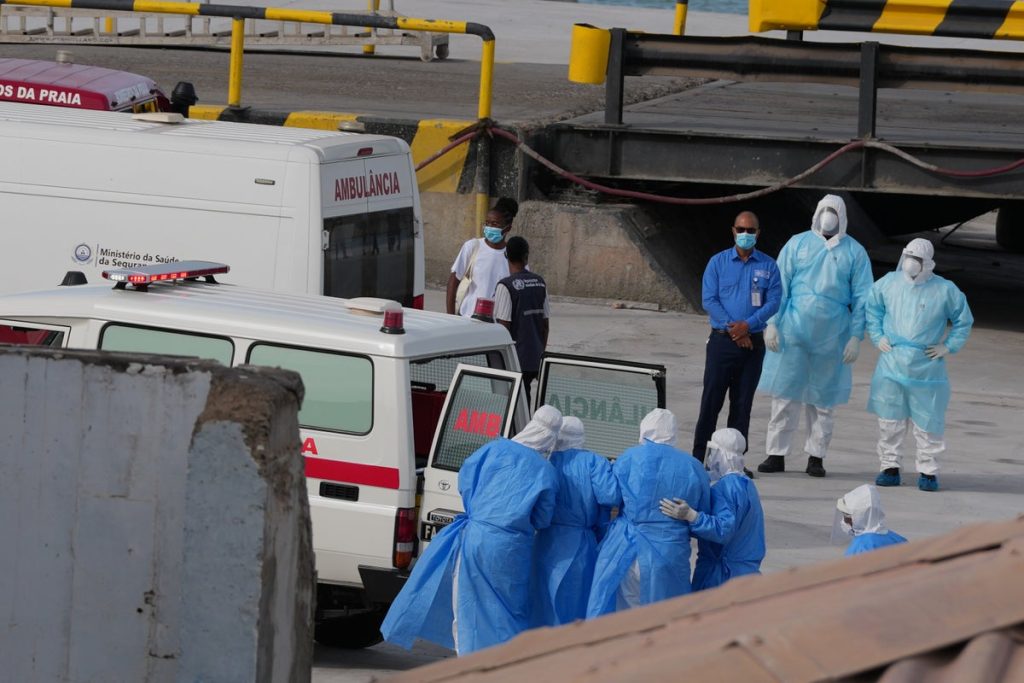
The year 2026 has brought a renewed focus on global biosurveillance and public health readiness. Recently, the New Jersey Department of Health (NJDOH) announced that it is closely monitoring two state residents for potential exposure to hantavirus. This development follows a localized but concerning outbreak linked to the ocean vessel MV Hondius, which has already seen several confirmed cases and fatalities.
While the news has sparked concern among tri-state residents, health officials are moving quickly to provide transparency and prevent panic. As we navigate the complexities of modern travel and emerging pathogens, understanding the specifics of this situation is crucial for public safety.
The Catalyst: The MV Hondius Outbreak
The situation began aboard the MV Hondius, a vessel that became the center of a hantavirus cluster earlier this year. The outbreak on the ship resulted in at least three deaths and eight confirmed or suspected cases. The vessel, often used for expedition cruises, became a focal point for international health agencies, including the World Health Organization (WHO) and the Centers for Disease Control and Prevention (CDC).
The two New Jersey residents currently under surveillance were not passengers on the ship. Instead, their potential exposure occurred during international air travel. They reportedly shared a flight or spent time in close proximity to an infected individual who had recently disembarked from the MV Hondius.
Monitoring and Current Status of NJ Residents
According to official statements from the NJDOH, the two individuals are currently asymptomatic. This means they are not showing any signs of the virus, such as fever, muscle aches, or respiratory distress.
Public health monitoring in 2026 involves a combination of daily check-ins, temperature logs, and, in some cases, wearable health technology that tracks vital signs in real-time. The goal is to ensure that if symptoms do develop, the individuals can be isolated and treated immediately to prevent further transmission and improve their own clinical outcomes.
Understanding Hantavirus: A Deadly Pathogen
To understand why health officials are taking such rigorous precautions, one must look at the nature of the virus itself. Hantaviruses are a family of viruses spread mainly by rodents. In the United States, the most common form is Hantavirus Pulmonary Syndrome (HPS).
How Hantavirus Spreads
Traditionally, hantavirus is not known for easy human-to-human transmission. The primary modes of infection include:
Inhalation: Breathing in “aerosolized” virus particles from rodent urine, droppings, or saliva.
Direct Contact: Touching contaminated surfaces and then touching the mouth, nose, or eyes.
Rodent Bites: Though rare, a bite from an infected host can transmit the virus.
The current situation involving the MV Hondius is particularly noteworthy because it involves potential human-to-human exposure during air travel. While this form of transmission is extremely uncommon—historically documented primarily in certain strains in South America (like the Andes virus)—health officials are leaving nothing to chance in 2026.
The Fatality Rate and Severity
Hantavirus is significantly more lethal than many common respiratory viruses. It has a fatality rate of nearly 40%. Because the symptoms can initially mimic the flu, early diagnosis is often difficult. However, the progression to severe respiratory failure can be rapid, making early monitoring of exposed individuals a life-saving necessity.
The Public Health Response in 2026
The response to the New Jersey exposure highlights the evolution of public health infrastructure. Following the lessons of the early 2020s, the CDC and NJDOH have implemented more robust contact tracing protocols.
Coordination Across State Lines
New Jersey is not the only state on high alert. At least five other states are currently monitoring residents who may have come into contact with the MV Hondius passengers. This interstate cooperation is vital for containing rare pathogens before they can establish a foothold in the general population.
Health officials emphasize that the risk to the general public remains “extremely low.” Unlike COVID-19, hantavirus does not spread easily through casual contact or through the air over long distances in a community setting. The monitoring of the NJ residents is described as a “precautionary measure” rather than a response to an active threat.
The Role of Air Travel in Viral Spread
The fact that the NJ residents were exposed during international air travel underscores the persistent challenges of global connectivity. Modern aircraft utilize high-efficiency particulate air (HEPA) filters, which are excellent at capturing viral particles. However, the close proximity of passengers during long-haul flights remains a variable that public health officials must manage.
Symptoms to Watch For: Hantavirus Pulmonary Syndrome (HPS)
For those concerned about potential exposure, it is important to know the timeline and symptoms of HPS. The incubation period can range from one to eight weeks after exposure.
Early Symptoms (Days 1-5)
Fever and Chills: Sudden onset of high temperature.
Muscle Aches: Particularly in the large muscle groups like thighs, hips, and back.
Fatigue: General feeling of exhaustion.
Digestive Issues: Some patients experience abdominal pain, vomiting, or diarrhea.
Late Symptoms (Days 4-10)
As the disease progresses, the lungs begin to fill with fluid, leading to:
Shortness of Breath: A feeling of “suffocation.”
Coughing: Often a dry cough that worsens quickly.
Low Blood Pressure: Potential for shock as the heart and lungs struggle.
If you have been in contact with rodents or have traveled in areas with known outbreaks and experience these symptoms, seek medical attention immediately.
Prevention and Safety Tips for 2026
While the NJDOH monitors the current situation, the general public can take steps to reduce their risk of hantavirus and other zoonotic diseases.
Rodent Proofing Your Home
Since rodents are the primary carriers, keeping them out of living spaces is the best defense.
- Seal Gaps: Use steel wool or caulk to seal holes in walls and floors.
- Store Food Securely: Use airtight containers for human and pet food.
- Clean Up Debris: Remove woodpiles and tall grass near the home where rodents might nest.
Safe Cleaning Practices
If you encounter rodent droppings or nests, do not sweep or vacuum them, as this can kick up viral particles into the air.
Wear gloves and a mask (preferably N95).
Spray the area with a disinfectant or a mixture of bleach and water.
- Let it soak for 5 minutes before wiping it up with a paper towel.
The Global Context: Why the MV Hondius Matters
The MV Hondius incident serves as a reminder that cruise ships and expedition vessels are unique environments for disease transmission. These ships often visit remote areas where local wildlife may carry pathogens unfamiliar to the passengers’ home immune systems.
In 2026, the travel industry has adopted stricter biosafety protocols, but no system is foolproof. The rapid identification of the hantavirus cases on the vessel allowed for the quick notification of the CDC, which in turn alerted the NJDOH. This chain of communication is what prevents a localized outbreak from becoming a national crisis.
Comparing Hantavirus to Past Pandemics
Health officials are quick to point out that hantavirus is not the next COVID-19. The biological characteristics of the virus—specifically its reliance on a rodent host and the difficulty of human-to-human spread—make a large-scale pandemic highly unlikely.
However, the high mortality rate means that every single case is treated with the utmost seriousness. The focus in 2026 is on precision public health: identifying the exact individuals at risk and providing them with high-level care and monitoring, rather than implementing broad, community-wide restrictions.
New Jersey’s Readiness and Infrastructure
New Jersey has invested heavily in public health infrastructure over the last few years. The state’s ability to track two specific individuals from an international flight and place them under monitoring within days of the potential exposure is a testament to these improvements.
Health Commissioner statements have reassured residents that the state laboratory is equipped to handle rapid testing if the monitored individuals begin to show symptoms. Furthermore, NJ hospitals have updated protocols for “high-consequence infectious diseases” (HCID) to ensure that if a hantavirus case is confirmed, the patient receives specialized care in an isolation environment.
Conclusion: Vigilance Without Panic
The monitoring of two New Jersey residents for hantavirus exposure is a classic example of the “detect and contain” strategy that defines modern public health. While the word “hantavirus” carries a frightening weight due to its high fatality rate, the actual risk to the residents of New Jersey remains extremely low.
The situation is being managed by experts at the NJDOH and the CDC who are utilizing the best available data and technology in 2026. For the average citizen, the best course of action is to stay informed through official channels and maintain standard hygiene and rodent-control practices.
As we move forward, the lessons learned from the MV Hondius outbreak and the subsequent contact tracing will likely inform how we handle similar incidents in the future. For now, New Jersey stays vigilant, proving that a proactive response is the best defense against the unpredictable nature of infectious diseases.