Crisis at Sea: Spain Prepares for High-Stakes Evacuation of Hantavirus-Stricken MV Hondius

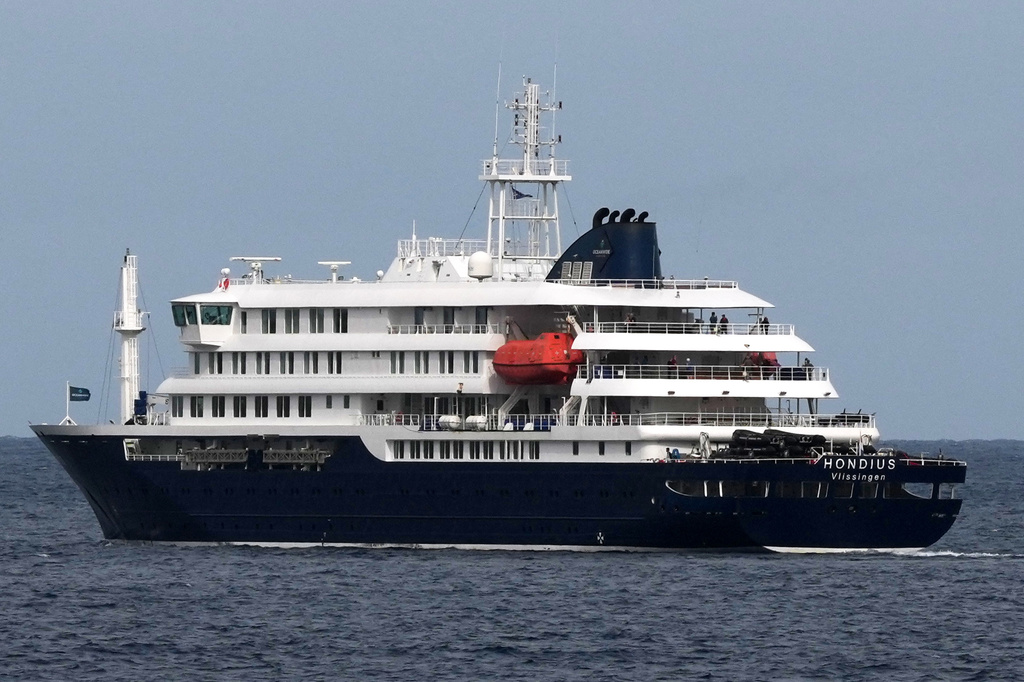
The international maritime and medical communities are currently on high alert as the MV Hondius, a Dutch-flagged cruise vessel, makes its final approach toward Spain’s Canary Islands. Following a devastating hantavirus outbreak that has left three passengers dead and several others grappling with severe illness, Spanish authorities are orchestrating a massive, highly controlled emergency response to receive the ship and its 140+ occupants.
As the vessel navigates toward Tenerife, the situation serves as a stark reminder of the complexities inherent in managing infectious disease outbreaks in the modern era of global travel. With multiple nations involved in the repatriation process, the operation is as much a logistical challenge as it is a public health imperative.
The Situation at Sea: A Race Against Time
The MV Hondius is not merely a cruise ship; it has become a floating isolation ward. After departing Cape Verde, the ship was granted permission by the Spanish government to dock in the Canary Islands, provided that strict quarantine protocols are observed upon arrival.
Virginia Barcones, the head of Spain’s emergency services, confirmed that the vessel would be greeted by a “completely isolated, cordoned-off area.” This precautionary measure is designed to ensure that the risk of transmission to the local population remains non-existent.
Understanding the Hantavirus Threat
Hantavirus is a serious viral infection, typically transmitted through contact with the droppings or secretions of infected rodents. While human-to-human transmission is rare, the severity of the symptoms—which can include respiratory failure—has triggered global concern.
Incubation Period: Symptoms generally emerge between one and eight weeks following exposure.
Current Health Status: According to Oceanwide Expeditions, the ship’s operator, none of the remaining passengers or crew currently on board are displaying active symptoms.
- WHO Assessment: The World Health Organization (WHO) has officially stated that the risk to the general public remains low, emphasizing that the virus does not spread easily through casual contact.
Global Cooperation in Repatriation Efforts
The response to the MV Hondius crisis has been defined by rapid international collaboration. With citizens from over a dozen countries aboard, the diplomatic effort to bring these individuals home safely is unprecedented.
The United States has committed to sending a dedicated aircraft to the Canary Islands to repatriate its 17 citizens. Simultaneously, the British government is chartering a flight to evacuate nearly two dozen U.K. nationals. These efforts highlight the importance of embassy coordination when a health crisis transcends borders.
The Challenge of Contact Tracing
While the ship remains the focal point, the broader challenge lies in the passengers who disembarked prior to the outbreak’s detection. Health authorities across four continents are currently scrambling to track down individuals who may have been exposed before the severity of the situation on the MV Hondius was fully understood.
The complexity of this tracing was highlighted by a recent incident involving a KLM flight from South Africa to Amsterdam. A passenger, whose husband had tragically died on the cruise ship, became symptomatic and was removed from the flight in Johannesburg. While the flight attendant who interacted with her tested negative, the incident forced health agencies to initiate rigorous contact tracing for all passengers on that flight, underscoring how quickly a local outbreak can become a global logistical puzzle.
Why the Canary Islands?
The decision to allow the MV Hondius to dock in the Canary Islands was not made lightly. Spain’s infrastructure for managing medical emergencies is robust, and the archipelago offers a geographically isolated yet accessible port for specialized medical teams to intervene.
By creating a “cordoned-off” zone, Spanish health officials can facilitate the transfer of patients to specialized care facilities without jeopardizing the safety of the local population. This is a critical step in preventing the panic that often accompanies public health emergencies.
Lessons for the Cruise Industry
The MV Hondius incident serves as a wake-up call for the cruise industry. As global tourism continues to rebound in 2026, the need for stringent sanitary protocols and rapid-response medical infrastructure on high-seas vessels has never been more apparent.
- Enhanced Screening: Future voyages must implement better rodent control and sanitation checks to mitigate the risk of zoonotic diseases.
- Medical Preparedness: Ships must be equipped with the capacity to handle infectious disease outbreaks in-house before they necessitate international diplomatic intervention.
- Data Transparency: The delay in identifying the outbreak highlights the need for real-time health monitoring and immediate reporting to international health bodies.
Moving Forward: Monitoring and Recovery
As the ship approaches Tenerife, the primary focus remains the health and safety of the passengers and crew. Once docked, the individuals will undergo thorough medical screening. Those who test positive or show symptoms will be immediately transferred to specialized isolation wards, while others will likely face a period of monitored quarantine.
The suspected case on the remote island of Tristan da Cunha—a British overseas territory—remains under close observation. This remote case serves as a poignant reminder that the impact of this outbreak is not limited to the passengers on the ship, but extends to the various ports of call where the MV Hondius stopped during its journey.
In conclusion, while the threat of hantavirus is significant, the coordinated response by Spain, the Netherlands, the U.S., and the U.K. demonstrates that the world is better prepared for such contingencies than in previous decades. By prioritizing transparency and international cooperation, authorities are working to ensure that this maritime tragedy does not evolve into a wider public health crisis.