The MV Hondius Hantavirus Crisis: What You Need to Know as the Ship Approaches Tenerife

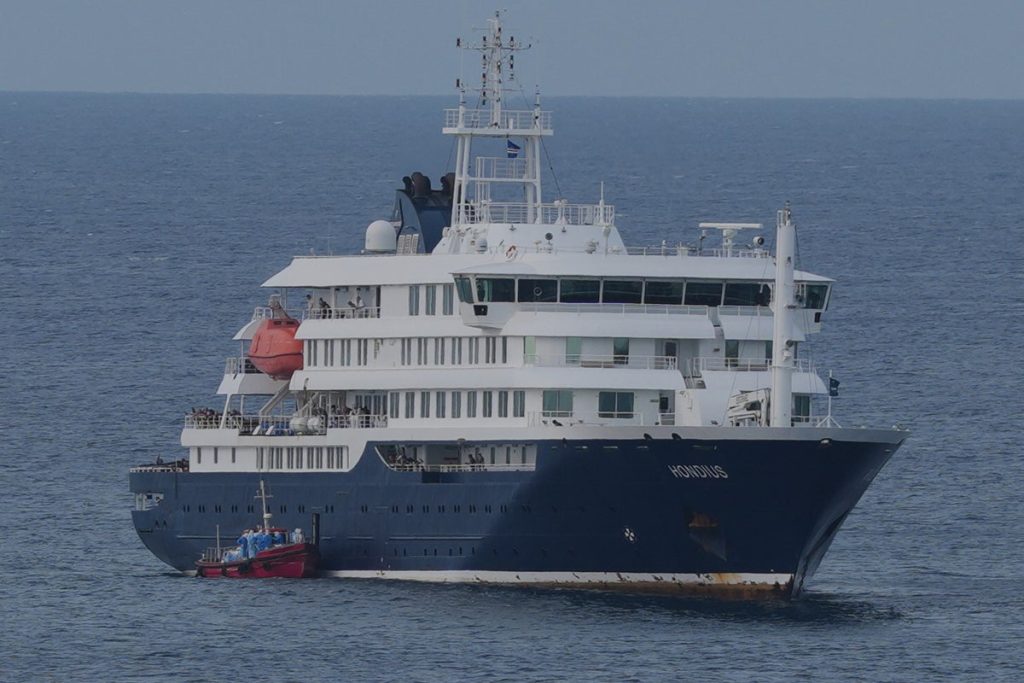
The maritime world and global health authorities are currently locked in a tense race against time. As of May 2026, the MV Hondius cruise ship—the vessel at the heart of a concerning hantavirus outbreak—is currently navigating toward the Canary Islands. With nearly 150 passengers and crew members still on board, the situation remains fluid, characterized by strict medical oversight, international cooperation, and a high-stakes logistics operation to ensure the safety of those remaining at sea.
The outbreak, identified as the Andes virus variant, has already claimed three lives and led to the emergency medical evacuation of several passengers, including British nationals. As the ship prepares for its arrival at the port of Granadilla in Tenerife, health officials are working around the clock to prevent further transmission.
Understanding the Hantavirus Outbreak on the MV Hondius
The current crisis began following a birdwatching expedition in Argentina, which is believed to be the vector for the initial infections. Hantaviruses are a family of viruses spread mainly by rodents. While human-to-human transmission is rare for many hantavirus strains, the Andes virus is a notable, dangerous exception, capable of being transmitted between people, which has necessitated the extreme quarantine measures currently in place on the MV Hondius.
The Timeline of the Crisis
The vessel has been a focal point of international health monitoring since early April 2026. After a series of passengers became symptomatic—some tragically passing away—the ship was essentially marooned off the coast of Cape Verde.
April 11: The first reported death occurs on board.
Late April: Multiple passengers disembark in St. Helena, where further health complications emerge.
May 2026: The WHO and ECDC join forces to provide medical assessment and support for those remaining on the ship.
Present Day: The vessel is en route to Tenerife, with local authorities in Spain coordinating with international health agencies to manage the docking and potential repatriation.
The Path to Tenerife: Logistics and Health Safety
The decision for the MV Hondius to dock in Tenerife was not made lightly. Initially, the ship faced significant hurdles as local officials weighed the risks of importing a viral threat against the humanitarian necessity of providing care to those on board. Following intense negotiations and the implementation of rigorous infection control protocols, the Spanish government granted permission for the vessel to dock.
Coordination with International Health Agencies
The World Health Organization (WHO) and the European Centre for Disease Prevention and Control (ECDC) have been instrumental in managing the ship’s transit. Two specialized doctors are currently on board, conducting daily medical assessments of all passengers and crew.
“The risk to the public remains low,” noted Dr. Tedros Adhanom Ghebreyesus, director-general of the WHO. However, the nature of the Andes virus incubation period means that health officials are maintaining a state of high alert. The goal is to ensure that once the ship docks in Tenerife, a seamless transition to medical facilities or repatriation flights can occur without endangering the local population.
Medical Evacuations and Patient Recovery
One of the few bright spots in this challenging situation is the reported improvement of those who were previously evacuated. The medical response has been truly global, with patients being treated in high-standard facilities across South Africa and the Netherlands.
Current Status of Evacuated Patients
Johannesburg, South Africa: A 69-year-old British man, previously in critical condition, is now showing signs of recovery at a private health facility.
The Netherlands: Two patients, including 56-year-old Martin Anstee, are currently in stable condition, receiving specialist care for the respiratory complications associated with the Andes virus.
The WHO has expressed optimism regarding these recoveries, emphasizing that the specialized medical intervention provided to these individuals was critical in stabilizing their conditions.
Protocol for Repatriation and Quarantine
Once the MV Hondius arrives in Tenerife, the focus will shift immediately to the repatriation of the remaining British nationals and other international passengers. The Foreign Office is already arranging a charter flight to bring the remaining Britons home, provided they remain asymptomatic.
What Awaits the Passengers?
For those returning to the UK, the UK Health Security Agency (UKHSA) has outlined clear, stringent requirements:
- Mandatory Self-Isolation: All returning passengers will be required to self-isolate for a period of 45 days. This duration is designed to cover the maximum potential incubation period of the virus.
- Continuous Monitoring: Health officials will conduct regular check-ins with returnees to identify any early symptoms of respiratory illness.
- Contact Tracing: Extensive contact tracing is underway for any individuals who may have shared transport or common spaces with those who previously disembarked from the ship.
Analysis: Why the Andes Virus Requires Strict Containment
The Andes virus is unique among hantaviruses because of its potential for human-to-human transmission. In most cases, hantaviruses are contracted through inhalation of aerosolized rodent excreta. However, the Andes variant has demonstrated the ability to spread through close personal contact, which is why the “close contact” designation applied to everyone on the MV Hondius by the ECDC is so essential.
While experts like Dr. Abdirahman Mahamud of the WHO do not expect this to escalate into a full-scale epidemic, the lessons learned from the 2018/19 outbreak in Argentina are being applied to the current situation. The 2018/19 event saw 34 confirmed cases, and the clinical response teams are working to ensure that the current incident remains contained to the cruise ship environment.
Conclusion: Lessons for the Cruise Industry
The ordeal of the MV Hondius serves as a stark reminder of the complexities involved in managing infectious diseases in the maritime sector. As cruise travel continues to expand globally in 2026, the need for robust medical infrastructure on board and rapid communication channels with international health organizations becomes increasingly apparent.
The cooperation between the WHO, the ECDC, the UKHSA, and Spanish authorities demonstrates how global health governance should function in a crisis. While the passengers and crew have endured an incredibly stressful experience, the adherence to medical protocols has likely prevented a much larger tragedy. As the ship approaches its final destination, the world watches, hopeful that the remaining passengers will return home safely and that the outbreak will be successfully brought to a close.