The Shadow Policing Scandal: How a Home Office Official Spied for China on British Soil

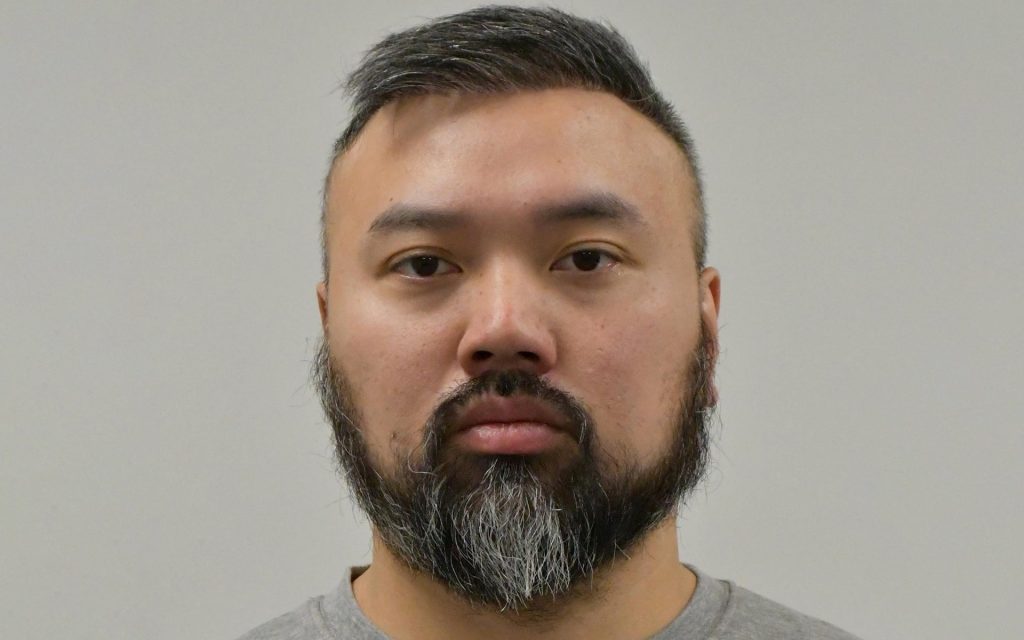
The landscape of national security in the United Kingdom shifted dramatically following a landmark legal battle that exposed the chilling reach of foreign intelligence operations within British borders. In a case that has redefined how the UK handles espionage, a Border Force official and a Hong Kong trade representative were found guilty of assisting a foreign intelligence service. This unprecedented conviction marks the first time such charges have been successfully prosecuted under the National Security Act, signaling a new, aggressive era of counter-espionage in 2026.
The Anatomy of a “Shadow Policing” Operation
The prosecution revealed a disturbing “shadow policing” operation designed to intimidate and track dissidents living in the UK. At the heart of this conspiracy was Chi Leung “Peter” Wai, a 38-year-old Border Force officer who leveraged his position of trust to breach the integrity of the Home Office immigration database.
Wai, who also held a role as a City of London Police special constable, acted in tandem with Chung Biu “Bill” Yuen, a 65-year-old former Hong Kong police superintendent working for the Hong Kong Economic Trade Office. Together, they orchestrated a sophisticated surveillance network aimed at monitoring Hong Kong activists, pro-democracy protesters, and even high-profile British politicians, including former Conservative leader Sir Iain Duncan Smith.
Exploiting Institutional Access
Wai’s betrayal of his duties was systematic. By utilizing his credentials, he accessed sensitive immigration data that should have been protected by strict government protocols. This information was then funneled into a network designed to exert pressure on individuals who had sought refuge in the UK. The operation wasn’t limited to digital surveillance; it extended into physical intimidation, as evidenced by the targeting of campaigners like Nathan Law, who remains a high-value target for authorities in Hong Kong.
The Breaking Point: The Failed Abduction Attempt
The clandestine operation began to unravel on May 1, 2024, when the authorities intervened in a brazen attempt to forcibly remove a woman from her home in West Yorkshire. Monica Kwong, a former Hong Kong resident, had been living in the UK with her son after fleeing accusations of involvement in a £16 million fraud—a case she maintained was a setup orchestrated by influential business interests back in Hong Kong.
The defendants had allegedly mobilized a team to gain entry to Ms. Kwong’s residence using deception and force. Unbeknownst to them, the police had been monitoring their movements. When the team breached the flat, they were met not by an easy target, but by undercover officers who had been waiting for the final act of this operation to play out. This event led to the arrest of 11 individuals, including retired Royal Marines and various figures linked to the Hong Kong security apparatus.
Defenses and Denials: The “Fatboy” Narrative
During the high-stakes trial, the defendants attempted to mitigate the gravity of their actions through a series of elaborate explanations. Wai, referred to by some associates as “Fatboy,” vehemently denied that he had been a long-term asset for Chinese intelligence.
His testimony included claims that his possession of a falsely inflated City of London Police warrant card—which identified him as a superintendent—was merely an attempt to “impress friends and family.” Furthermore, Yuen claimed his activities were strictly related to providing security for the Hong Kong Economic Trade Office and visiting dignitaries, denying any intent to pass intelligence to Chinese state authorities.
The Jury’s Verdict
After over 23 hours of deliberation, the jury returned a guilty verdict for assisting a foreign intelligence service and misconduct in public office. However, the legal proceedings were not without their complexities. Jurors were unable to reach a verdict on the specific charge of foreign interference regarding the attempt to enter Ms. Kwong’s home, leading the prosecution to drop the pursuit of a retrial on that specific count.
The Broader Impact on UK National Security
This case serves as a watershed moment for the UK government’s approach to foreign influence. The fact that an active Border Force official was compromised highlights a significant vulnerability within the Home Office’s internal security vetting and monitoring systems.
Lessons for 2026 and Beyond
Enhanced Vetting: There is now an urgent push for more rigorous background checks for officials with access to sensitive immigration and police databases.
Legislative Teeth: The National Security Act has proven its utility in prosecuting those who act as agents for foreign powers under the guise of private security or diplomatic work.
- Protection of Dissidents: The case has sparked a national conversation about the safety of international dissidents residing in Britain, leading to increased protection for high-risk individuals.
The Tragedy Behind the Headlines
The investigation was shadowed by the tragic death of Matthew Trickett, another Home Office immigration officer who was arrested alongside Wai and Yuen. His subsequent death in woodland near Maidenhead remains a somber footnote to a case that has left the intelligence community reeling. It emphasizes the human cost and the high-stakes environment in which these operations occur.
Conclusion: A New Era of Vigilance
The conviction of Chi Leung “Peter” Wai and Chung Biu “Bill” Yuen is a stark reminder that the threats to UK national security are not always external; they can emerge from within the very institutions meant to protect the border. As the UK moves further into 2026, the government is expected to maintain a posture of heightened vigilance, prioritizing the integrity of its digital infrastructure and the safety of those who have sought sanctuary from authoritarian regimes.
The “shadow policing” case has closed, but the questions it raised about foreign reach, the corruption of public office, and the protection of civil liberties will undoubtedly influence British policy for years to come.