Hantavirus Outbreak 2026: Two Canadians Under Isolation in Ontario Following Deadly MV Hondius Cruise Crisis

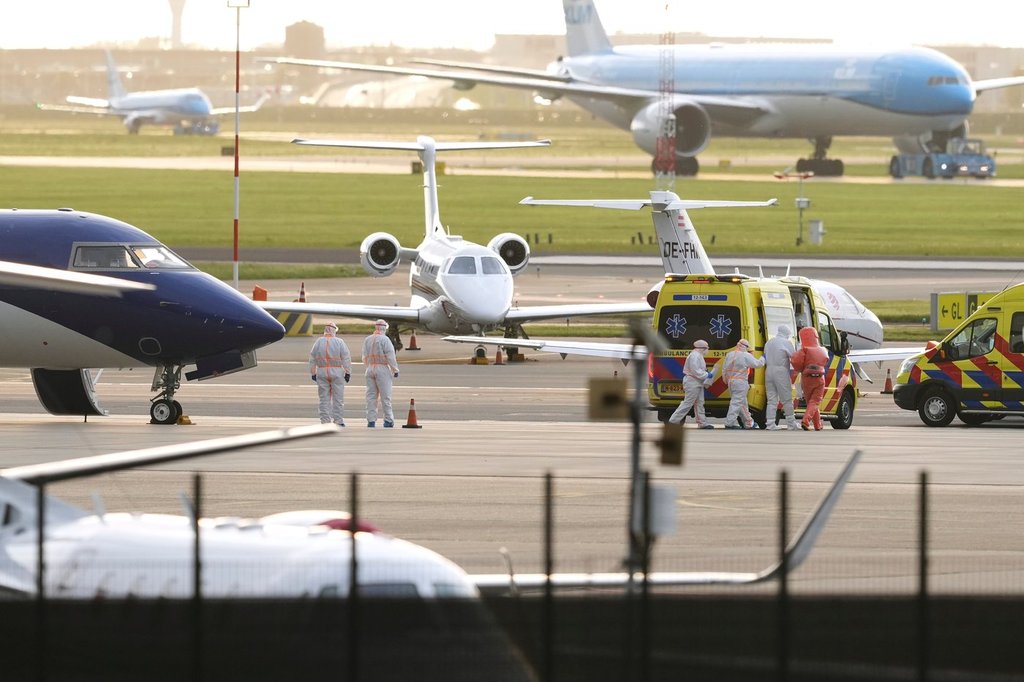
The year 2026 has brought a startling reminder of the vulnerabilities inherent in international travel. In a developing story that has captured the attention of health authorities across North America and Europe, two Canadians who were aboard the MV Hondius cruise ship—the site of a fatal hantavirus outbreak—have returned to Ontario.
As of May 2026, federal and provincial health officials are working in lockstep to monitor these individuals, along with a third contact in Quebec. While the current risk to the general public remains low, the rare nature of the hantavirus Andean strain and the tragic fatalities recorded on the vessel have put the global medical community on high alert.
The Return to Ontario: A Precarious Homecoming
On Thursday, May 7, 2026, Canada’s Foreign Affairs Minister Anita Anand and Health Minister Marjorie Michel issued a joint statement confirming that two Canadian passengers from the stricken vessel are now on Ontario soil. These individuals disembarked the ship before the official outbreak was declared, a timeline that has necessitated immediate and rigorous public health interventions.
According to the ministers, the two passengers left the MV Hondius on the remote South Atlantic island of St. Helena on April 24, 2026. Because they were off the ship before the severity of the situation was realized, they traveled through international hubs to reach Canada.
Current Health Status and Monitoring
Ontario Health Minister Sylvia Jones addressed the media during an unrelated conference, stating that the two individuals are currently asymptomatic. Despite showing no signs of the virus, they have been directed to undergo a strict period of self-isolation.
“The situation is fluid,” Jones remarked, emphasizing that while the transmission risk is believed to be minimal, the provincial government is taking no chances. Local health authorities are providing daily monitoring to ensure that if symptoms do develop, they are managed with the highest level of biocontainment.
The Quebec Connection: A Third Individual at Risk
The federal statement also highlighted a third Canadian, currently in Quebec, who was not on the cruise but shared a flight with the two Ontario residents. This individual is believed to have “come into contact with a symptomatic individual” during transit.
While the World Health Organization (WHO) does not currently classify this person as a “high-risk close contact,” the Quebec resident is also under self-isolation. This proactive measure reflects the Canadian government’s commitment to preventing any potential community spread of a virus that typically boasts a high mortality rate.
Inside the MV Hondius: A Voyage Turned Tragedy
The MV Hondius, operated by Oceanwide Expeditions, is a vessel designed for polar exploration and remote Atlantic voyages. However, what was meant to be a journey of discovery turned into a medical nightmare in late April 2026.
The Timeline of the Outbreak
The crisis began to unfold when a Dutch couple and a German national fell ill and subsequently died. The cause was later identified as a hantavirus, a family of viruses usually transmitted by rodents. The ship, carrying approximately 147 to 149 passengers and crew, became a floating quarantine zone as more individuals reported severe respiratory symptoms.
April 24, 2026: Two Canadians disembark at St. Helena, unaware of the brewing crisis.
May 2, 2026: A cluster of severe respiratory illnesses is reported to the WHO.
May 6, 2026: Evacuations begin for critically ill passengers, including a British national flown to South Africa for specialized care.
The Four Canadians Still Onboard
While three Canadians are back on home soil, four other Canadians remain on the MV Hondius. Minister Anita Anand confirmed that consular officials are in contact with these citizens. The ship is currently en route to the Canary Islands, where a coordinated disembarkation plan is being established.
Canadian officials will be on the ground in the Canary Islands to monitor the process and ensure that all public health protocols are followed before these individuals are permitted to fly back to Canada.
Understanding the Hantavirus: Why This Outbreak is Unique
Hantaviruses are not new, but the context of this 2026 outbreak is particularly concerning to epidemiologists. Typically, hantavirus is contracted through contact with the urine, feces, or saliva of infected rodents. However, the Andean strain (a variant of the Andes virus) identified in this cluster is one of the few known to have the potential for human-to-human transmission.
What is Hantavirus Pulmonary Syndrome (HPS)?
Most hantaviruses cause Hantavirus Pulmonary Syndrome (HPS), a severe, sometimes fatal, respiratory disease. Early symptoms include:
Fever and chills
Muscle aches (myalgia)
Fatigue and dizziness
Nausea, vomiting, and abdominal pain
As the disease progresses, patients experience a sudden onset of shortness of breath as their lungs fill with fluid. In the case of the MV Hondius, the rapid decline of the Dutch and German passengers suggests a high viral load or a particularly virulent mutation of the strain.
The Risk of Human-to-Human Transmission
The WHO has stressed that the risk to the general public is “low,” but the “Andean strain” necessitates a higher level of caution. Unlike the strains found in North America (such as the Sin Nombre virus), the South American Andes virus has documented cases where close contact led to secondary infections. This is precisely why the Canadian government is insisting on isolation for the asymptomatic travelers in Ontario and Quebec.
The Federal and Provincial Response Strategy
The coordination between Health Canada, the Public Health Agency of Canada (PHAC), and Global Affairs Canada has been swift. Minister Marjorie Michel noted that the federal government is utilizing lessons learned from previous maritime health crises to manage this situation.
Government Logistics and Consular Support
Minister Anita Anand’s role has been pivotal in managing the international logistics. The Canadian government is working with Spanish authorities in the Canary Islands to facilitate a safe exit for the remaining four Canadians.
“As the rules-based international order is challenged, our priority remains the safety of Canadians abroad,” Anand stated, echoing her broader commitment to national sovereignty and citizen protection. The use of consular “fly-away” teams to meet passengers in the Canary Islands ensures that health screenings are conducted before passengers board commercial flights.
Ontario’s Public Health Infrastructure
In Ontario, Minister Sylvia Jones highlighted the strength of the province’s monitoring systems. “Our local public health units are the best in the world at contact tracing and monitoring,” Jones said. The two individuals in Ontario are being checked daily for temperature spikes or respiratory distress.
If symptoms occur, they will be transported to a Specialized Pathogen Unit to prevent any exposure to the general hospital population.
The Global Impact on the Cruise Industry
The 2026 hantavirus incident has sent ripples through the travel industry. After years of recovering from the COVID-19 pandemic, cruise lines are once again facing scrutiny over onboard sanitation and pest control.
Rodent Control on Exploration Vessels
The MV Hondius is an ice-strengthened vessel that often visits remote areas. Investigations are currently underway to determine how rodents—the primary carriers of hantavirus—could have infested a modern expedition ship. Experts suggest that supplies taken on in remote ports could have introduced the virus-carrying pests to the ship’s dry stores or ventilation systems.
Future Protocols for Maritime Travel
It is likely that this outbreak will lead to new International Maritime Organization (IMO) regulations regarding rodent-borne pathogen screening. Passengers may soon see:
- Enhanced rodent-proofing of supply chains.
- Mandatory viral screening for passengers disembarking in remote territories like St. Helena.
- New air filtration standards to mitigate the risk of aerosolized viral particles.
What Travellers Need to Know in 2026
While the hantavirus outbreak is a serious event, it is important for the public to maintain perspective. The World Health Organization continues to maintain that the risk of a global pandemic from this specific event is non-existent, provided that contact tracing remains effective.
Advice for Recent Travellers
If you have recently traveled on a cruise in the South Atlantic or have been in contact with individuals from the MV Hondius, health officials recommend:
Monitoring your health for 21 days (the upper limit of the incubation period).
Seeking immediate medical attention if you develop a high fever or difficulty breathing.
Informing your healthcare provider of your recent travel history.
The Importance of Transparency
The transparency shown by the Canadian government in naming the ministers involved and providing clear timelines is a vital component of public trust. Minister Marjorie Michel emphasized that “information is our best tool in preventing panic.” By keeping the public informed about the three individuals in Ontario and Quebec, the government aims to stifle rumors and ensure that the facts lead the narrative.
Conclusion: A Vigilant Path Forward
The arrival of two Canadians from the hantavirus-infected MV Hondius in Ontario is a stark reminder of how quickly local health events can become international concerns. However, the proactive isolation of these individuals, the monitoring of the flight contact in Quebec, and the planned intervention in the Canary Islands demonstrate a robust and prepared public health system.
As we move further into 2026, the focus remains on the recovery of those sickened and the safe return of the remaining Canadians. The Andean strain of hantavirus presents a unique challenge, but with the combined efforts of Anita Anand, Marjorie Michel, and Sylvia Jones, Ontario and Canada are well-positioned to contain the threat.
The situation remains “fluid,” as Minister Jones noted, and the world will be watching the Canary Islands in the coming days as the final passengers of the MV Hondius finally step onto dry land.