Holyrood Election 2026: Everything You Need to Know as Scotland Heads to the Polls

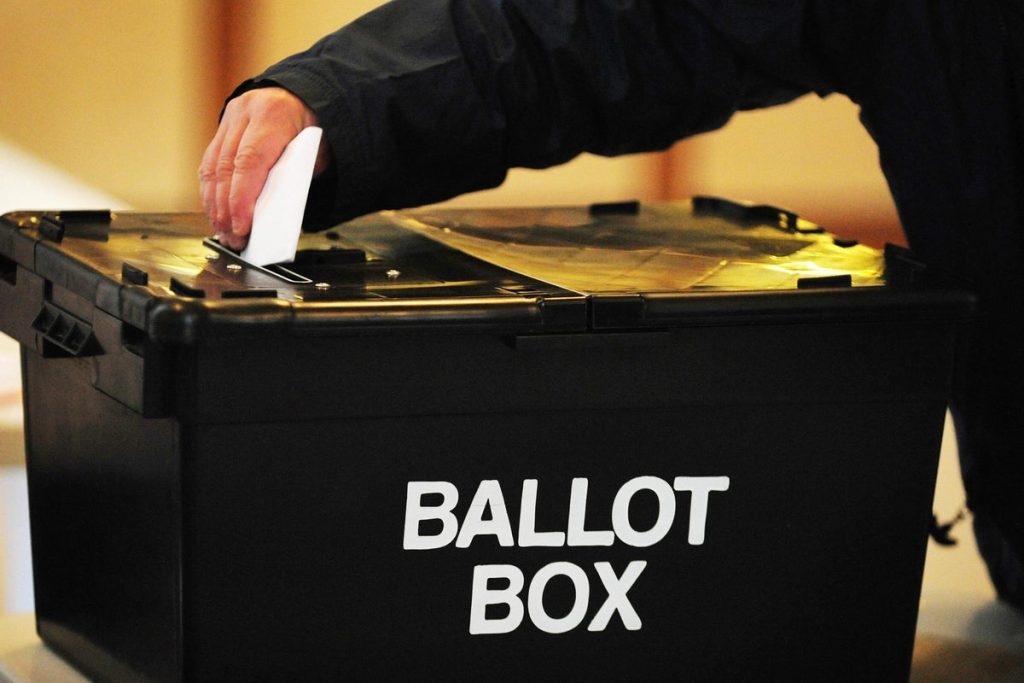
The political landscape in Scotland is reaching a fever pitch. On Thursday, May 7, 2026, voters across the nation will head to polling stations to decide the future of the Scottish Parliament. With 129 MSPs to be elected across local constituencies and regional lists, the stakes have never been higher for the political parties vying for influence at Bute House.
As we approach the final hours of campaigning, the atmosphere is electric. With polling stations opening at 7am and closing at 10pm, the democratic process is set to unfold in a way that reflects the complex, multi-party nature of the Scottish voting system. This is the seventh election since the creation of Holyrood in 1999, and for many observers, it is shaping up to be one of the most unpredictable in recent memory.
The State of the Race: What the Latest Polling Tells Us
The 2026 Scottish Parliament election is defined by volatility. Unlike previous cycles where outcomes seemed more predictable, this year’s race has seen significant movement in voting intentions. Recent data from major pollsters, including YouGov and Survation, suggest that while the Scottish National Party (SNP) remains the frontrunner, the dream of an outright majority is likely out of reach.
SNP’s Path to a Fifth Term
John Swinney’s SNP is currently on course to secure a fifth consecutive term in office. However, the latest figures indicate they may land around 62 seats—falling just short of the 65-seat threshold required for a majority. This reality forces the party to consider the prospect of either minority governance or forming a coalition, a challenge that will define the next five years of Scottish policy.
The Rise of the Greens and Reform UK
One of the most compelling narratives of this election is the surge of smaller parties. The Scottish Greens are currently polling strongly, with projections suggesting they could secure 16 seats, potentially marking a historic high for the party. Simultaneously, Reform UK has made significant inroads, polling well for the first time in a Holyrood context and threatening to disrupt the traditional balance of power.
Key Issues Dominating the 2026 Campaign
The campaign trail has been dominated by a few core issues that resonate deeply with the Scottish electorate. From the cost of living crisis to the future of the NHS, voters are demanding concrete solutions rather than just political rhetoric.
- The Cost of Living: This has been the central pillar of the SNP’s campaign. By proposing a cap on bus fares and essential supermarket goods, the party hopes to alleviate the financial pressures facing households.
- Taxation Strategies: The Scottish Tories and Reform UK have leaned heavily into promises of tax cuts to stimulate the economy. In contrast, the Scottish Greens are advocating for increased taxation to fund universal public services, such as free bus travel.
- The NHS and Social Care: The Scottish Liberal Democrats have placed the health service and social care at the forefront of their manifesto, arguing that these institutions require urgent reform and sustained investment.
- Economic Strategy: Anas Sarwar’s Scottish Labour has attempted to pivot the conversation toward economic growth, arguing that only a change in leadership can “kickstart” the Scottish economy after years of stagnation.
The “Undecided” Factor: Why Every Vote Matters
With one day to go, political analysts are keeping a close eye on the “undecided” demographic. Eleventh-hour polling suggests that up to a quarter of Scottish voters have not yet made up their minds. This massive block of undecided voters could prove decisive in tight constituency races, such as the battle for Edinburgh Central, which remains a razor-thin three-horse race.
The fact that so many voters are still weighing their options underlines the “all to play for” nature of the 2026 election. With the Additional Member System (AMS) in play, every vote cast for a regional list candidate holds significant weight, potentially determining the final composition of the parliament and whether a party can exert influence despite losing their local constituency seats.
Logistical Changes: Counting the Votes
A significant departure from recent elections is the change in the counting process. Unlike the 2021 election, which was impacted by the Covid-19 pandemic, the 2026 count will not take place overnight. Instead, ballot boxes will be secured after polls close at 10pm on Thursday, with the official count occurring throughout the day on Friday, May 8.
This means that the final results are unlikely to be announced until late Friday evening. For candidates, activists, and the public, this creates a “waiting period” that will undoubtedly heighten the tension. The delay is intended to ensure accuracy and allow election officials to manage the complexities of the dual-ballot system effectively.
Analyzing the Strategies: SNP, Labour, and the Tories
The political maneuverings leading up to this election have been nothing short of dramatic. The rift between Anas Sarwar and Sir Keir Starmer, which saw the Scottish Labour leader cut ties in February following the Mandelson scandal, has fundamentally altered the narrative for Labour. Sarwar is now campaigning on a platform of Scottish autonomy from the UK party, hoping to win over voters who felt disillusioned by the national party’s direction.
Meanwhile, the Scottish Tories are fighting to maintain their relevance. Once the dominant force of the unionist vote under Ruth Davidson, the party under Russell Findlay is currently projected to shed seats. Their struggle to maintain a foothold in the face of competition from Reform UK and Labour highlights the shifting allegiances of the Scottish electorate.
Why This Election Matters for Scotland’s Future
Ultimately, the 2026 Holyrood election is about more than just which party holds the keys to Bute House. It is a referendum on the direction of the country. For the SNP, a strong performance is essential to keep the conversation regarding a second independence referendum alive. For the opposition, a victory or a significant gain in seats represents a chance to reset the status quo and address the long-standing criticisms of the current administration.
As voters head to the polls, they are not just selecting individuals to represent their local constituencies; they are choosing the legislative priorities that will shape the Scottish economy, healthcare, and education systems for the remainder of the decade.
Conclusion: A Turning Point for Holyrood
As Scotland stands on the brink of this major democratic event, the message from all sides is clear: every vote counts. Whether it is the SNP’s push for a fresh start, Labour’s attempt to rebuild, or the Greens’ ambition to change the climate agenda, the outcome on Friday night will set the course for Scotland’s future.
With polls open from 7am to 10pm, citizens have the opportunity to participate in one of the most critical elections in recent history. As the counting begins on Friday, the nation will watch closely to see if the polls were accurate or if the electorate has delivered a surprise that could change the face of Scottish politics for years to come.