The 2026 UK Local Elections: Is This the End of the Keir Starmer Era?

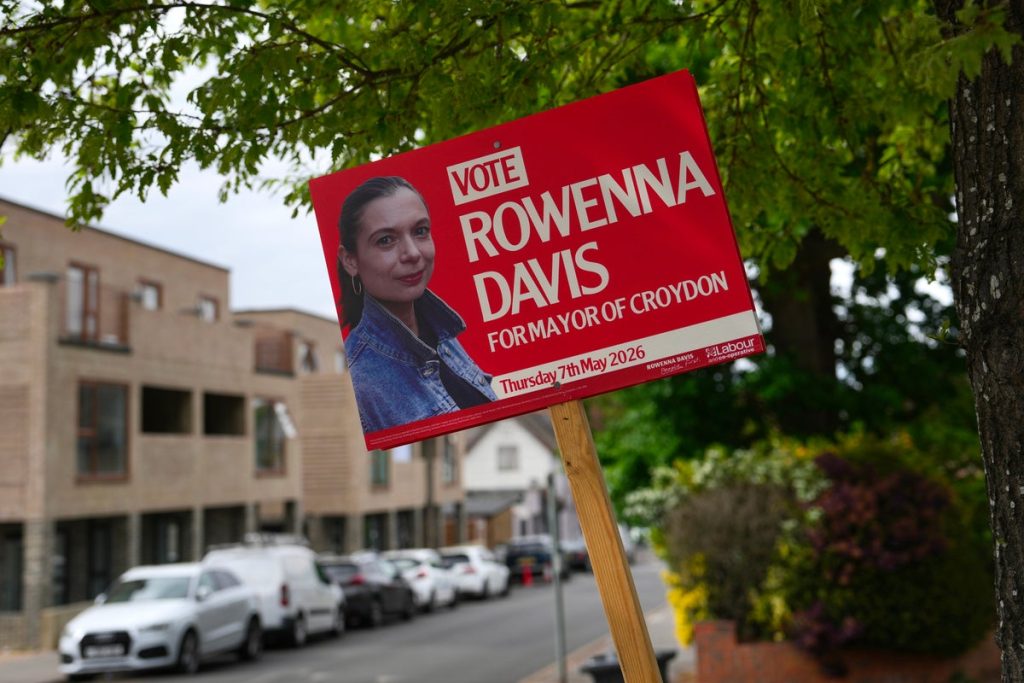
The atmosphere across the United Kingdom is undeniably tense as polling stations open their doors for the 2026 local and regional elections. While these contests typically center on mundane administrative issues—potholes, waste management, and local council budgets—the current political climate has transformed this ballot into a high-stakes referendum on the leadership of Prime Minister Keir Starmer.
Less than two years into his tenure, Starmer finds his administration in a state of profound vulnerability. With over 5,000 council seats, mayoral positions, and seats in the Scottish and Welsh parliaments up for grabs, the results will provide a definitive pulse-check on the British public’s satisfaction with the Labour government. For Starmer, this isn’t just about local governance; it is a battle for his own political survival.
A Government Under Siege: Why Starmer is Struggling
The decline in Starmer’s popularity has been both rapid and multifaceted. Since taking office in July 2024, the Prime Minister has faced a relentless barrage of challenges that have eroded the goodwill he enjoyed upon his election.
The Economic Stagnation Crisis
The primary driver of voter frustration remains the stagnant UK economy. Despite campaign promises to revitalize public services and trigger a period of sustained growth, the reality for the average Briton has been a grueling cost-of-living crisis. External factors have undoubtedly played a role—most notably the U.S.-Israeli conflict with Iran, which has severely disrupted global energy markets and choked off oil shipments through the Strait of Hormuz. However, voters are increasingly holding the government accountable for its inability to mitigate these shocks.
The Mandelson Controversy
Beyond economic woes, Starmer’s internal decision-making has come under fire. His appointment of Peter Mandelson as Britain’s ambassador to Washington proved to be a catastrophic political misstep. Given Mandelson’s past associations and the public’s heightened sensitivity to establishment cronyism, the move served as a lightning rod for criticism. It has fueled perceptions that the Labour Party is out of touch with its core base, leading to a February leadership crisis that nearly saw Starmer ousted by his own backbenchers.
The Fragmentation of the Two-Party System
Political analysts are watching the 2026 results closely, not just for the Labour vote share, but for the fundamental shift in the British political landscape. Luke Tryl of the pollster More in Common has suggested we are witnessing the total collapse of the traditional two-party system that has defined British politics for nearly a century.
The Rise of Reform UK
Nigel Farage’s Reform UK is poised to be the undisputed disruptor of these elections. By capitalizing on anti-establishment sentiment and a hard-line stance on immigration, the party is aggressively targeting “Red Wall” seats in Northern England—traditional Labour strongholds that have felt abandoned by London-centric politics. If Reform UK makes significant gains, it will signal a permanent shift in the electorate’s willingness to look beyond the binary choice of Labour and Conservative.
The Green Surge and Liberal Democrat Gains
While Reform UK captures the headlines on the right, the Green Party is making deep inroads in urban centers and university towns. Their focus on environmental urgency and social justice is peeling away younger voters and disillusioned left-wing progressives. Meanwhile, the Liberal Democrats continue to act as a centrist alternative, picking up seats where voters are dissatisfied with both the government’s performance and the opposition’s direction.
The Five-Front War: A Challenge for Labour
Professor Tony Travers of the London School of Economics has described Labour’s position as a “five-front war.” In England, they are defending 2,500 seats against a pincer movement from Reform UK, the Greens, the Liberal Democrats, and the Conservatives.
In Scotland and Wales, the challenge is equally daunting. The Scottish National Party (SNP) and Plaid Cymru remain formidable, leveraging nationalist agendas to maintain their grip on regional parliaments. For Starmer, losing ground in these devolved nations would confirm that his “Union-first” approach is failing to resonate with regional voters who feel their specific interests are being ignored by Westminster.
What Happens if Starmer Loses Big?
The stakes for Thursday’s vote go far beyond seat counts. A “rout”—a term being used with increasing frequency by political commentators—could be the catalyst for a snap leadership challenge.
Internal Pressure: Should the losses be catastrophic, restive Labour lawmakers are expected to move quickly to replace the leader.
The 2029 Horizon: Even if Starmer manages to cling to power following these results, many analysts argue that he has become a “lame duck.” The consensus is growing that he may not lead the party into the next national election, which must be held by 2029.
- A Shift in Strategy: A strong result for Reform UK, as Farage has boldly predicted, could force the mainstream parties to radically overhaul their platforms, particularly on issues of immigration and national sovereignty, to stop the electoral bleeding.
Conclusion: A Turning Point for British Democracy
As the polls close at 10 p.m. and the counting begins, the UK stands at a crossroads. These 2026 local elections are more than a tally of councilors; they are a litmus test for the viability of the current administration.
Keir Starmer is fighting for his political life, attempting to frame the choice as one between “progress” and “division.” However, the voters are speaking a different language—one characterized by economic anxiety, frustration with the political elite, and a desire for radical alternatives. Whether the results trigger a leadership change or simply a long, slow decline for the current government, one thing is certain: the British electorate is no longer content with the status quo.
The final results, expected by Friday afternoon, will dictate the narrative for the remainder of the year and likely define the trajectory of UK politics for the rest of the decade.