Dublin Cyclist’s Life-Altering Ordeal: The Legal Aftermath of a Preventable Road Tragedy

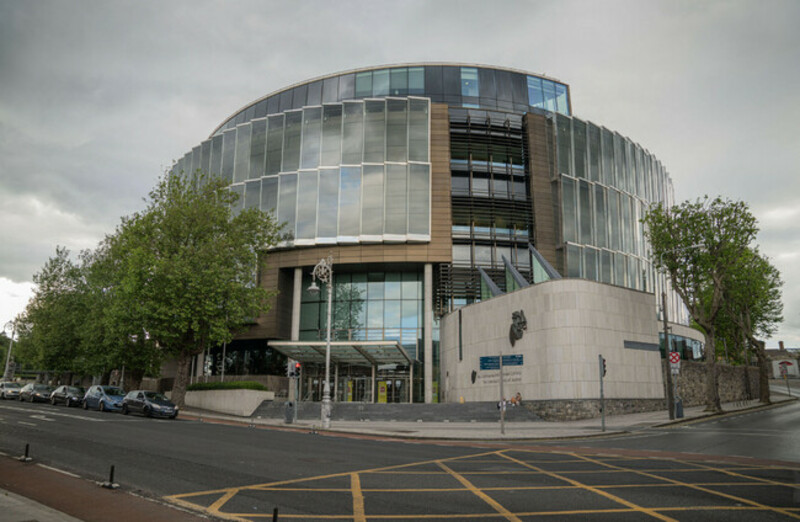
The streets of Dublin are meant to be shared spaces, but for one marathon runner, a routine morning commute turned into a scene of absolute horror. In a case that has sparked significant public debate regarding road safety and the consequences of traffic violations, a Dublin woman was recently handed a 12-month suspended sentence after a collision that left a cyclist with catastrophic, life-changing injuries.
The incident, which took place in late 2023, serves as a grim reminder of how split-second decisions—specifically, ignoring road signage—can dismantle the lives of innocent road users. As we look at the legal outcomes in 2026, this case highlights the growing tension between urban cycling safety and the responsibilities of motorists.
The Incident: A Routine Commute Turned Fatal
On the morning of December 11, 2023, Andrew Brett, an experienced marathon runner and athlete, was cycling near Portobello Bridge. He was fully visible, wearing a high-visibility jacket and a helmet. Weather conditions were clear, and there were no mechanical obstructions on the road.
As Brett navigated toward Lennox Street, he encountered a white SUV attempting an illegal right-hand turn. Despite the clear signage prohibiting such a maneuver, the driver, 50-year-old Izabella Aleksandrowicz, initiated the turn without looking in the direction of the oncoming cyclist.
The Moment of Impact
The collision was immediate and devastating. Brett attempted to evade the vehicle, but his efforts were futile. He was struck and dragged under the SUV, where he was crushed by both the front and rear wheels of the vehicle.
What makes this account particularly harrowing is the victim’s own testimony. In court, Brett described being “convinced he was going to die” as the SUV rolled over him twice. The physical trauma was immense, including:
A fractured pelvis and fractured ribs.
Severe internal bleeding and liver damage.
Months of rehabilitation and physical therapy.
The Legal Proceedings and Sentencing
The case reached its conclusion at the Dublin Circuit Criminal Court. Aleksandrowicz pleaded guilty to careless driving causing serious bodily harm. Throughout the proceedings, the defense emphasized that the defendant had no prior convictions, was not under the influence of alcohol or drugs, and had remained at the scene to assist.
Judge Orla Crowe, presiding over the case, acknowledged the gravity of the situation. While the court recognized the defendant’s remorse and low risk of re-offending, it also had to contend with the “utterly devastating” impact on the victim’s life.
Why a Suspended Sentence?
The court arrived at a headline sentence of 18 months, which was ultimately reduced to 12 months and suspended for two years. Additionally, Aleksandrowicz was disqualified from driving for two years.
Legal experts often point to several factors when suspended sentences are handed down for serious traffic offenses:
- Lack of Prior Criminal History: A clean record often weighs heavily in favor of a suspended sentence.
- Early Guilty Plea: This demonstrates an acceptance of responsibility and saves the court the time and expense of a full trial.
- Genuine Remorse: The court noted that the defendant’s pro-social attitude and clear understanding of the harm caused were mitigating factors.
The Human Cost: A Victim’s Perspective
Beyond the legal technicalities, the victim impact statement read into the record provided a sobering look at the aftermath of such accidents. Andrew Brett, once a dedicated marathon runner, described himself as a “shadow of the athlete I once was.”
The Psychological Toll
The physical injuries were only half the battle. Brett described being “tortured by the sound of my breaking bones”—a haunting auditory memory of the incident that continues to affect his mental health. He has been diagnosed with Post-Traumatic Stress Disorder (PTSD), a common but often overlooked consequence of severe road traffic accidents.
Impact on Family Life
The ripple effect of the accident extended to his wife and young children. Brett’s wife was forced to take leave from work to care for him, and the family lost months of normalcy. Brett highlighted the tragic loss of time, noting that he missed out on the “magic of Christmas” with his children, as he was confined to a hospital bed during the holiday season.
Road Safety in 2026: The Bigger Picture
This case has reignited the conversation regarding road safety in Dublin and beyond. While many motorists argue that illegal turns are “common” or “habitual,” this incident proves that the consequences are rarely trivial.
The Responsibility of Motorists
Driving is a privilege that carries an immense responsibility. The failure to observe basic traffic signs—even those that seem frequently ignored by others—can lead to irreversible harm. The fact that the SUV driver was looking only to her left while performing a right-hand turn is a classic example of inattentional blindness or poor situational awareness.
Infrastructure and Urban Planning
Urban planners are increasingly looking at how to separate cyclists from motorized traffic more effectively. Protected bike lanes, clearer signage, and stricter enforcement of traffic laws are essential to preventing similar tragedies. However, technology can only do so much; human vigilance remains the primary defense against such accidents.
Analyzing the Legal Precedent
Is a 12-month suspended sentence sufficient for an act of negligence that resulted in life-altering injuries? This question remains a point of contention.
Proponents of strict sentencing argue that the court should send a stronger message to deter reckless driving.
- Legal advocates maintain that the justice system must remain rehabilitative rather than purely punitive, especially when the defendant shows genuine remorse and has no history of criminal behavior.
The case of Aleksandrowicz vs. Brett serves as a benchmark for how Irish courts balance the need for justice with the complexities of individual circumstances. It emphasizes that while the law may offer leniency for first-time offenders, the civil liability and long-term consequences for the victim remain a separate, often lifelong, burden.
Moving Forward: Recovery and Advocacy
As of 2026, Andrew Brett continues his long road to recovery. While he may never return to the competitive running circuit, his courage in speaking out has turned his personal trauma into a public advocacy point. By detailing the “monumental impact” of the accident, he has forced a conversation about the vulnerability of cyclists in urban environments.
Key Takeaways for Road Users
- Respect Signage: Illegal turns are not just minor traffic infractions; they are dangerous risks that can end lives.
- Vigilance is Mandatory: Drivers must be aware of their surroundings at all times, especially in high-traffic city centers.
- Support for Victims: The legal system must continue to provide avenues for victims to share their stories, ensuring that the human cost of road accidents is never minimized or forgotten.
Conclusion: A Call for Caution
The tragedy of December 2023 is a stark warning for every driver on the road. A simple, illegal right-hand turn, made in a split second, destroyed a runner’s career, caused immense physical suffering, and placed an unbearable strain on a family.
While the legal chapter for Izabella Aleksandrowicz may be closing with her suspended sentence, the journey for Andrew Brett is far from over. As we navigate the roads in 2026, we must carry the memory of this case with us: safety on the road is a collective responsibility, and there is no room for shortcuts when human lives are at stake.