Global Health Alert: Nations Scramble to Track Passengers Following Deadly Hantavirus Cruise Outbreak

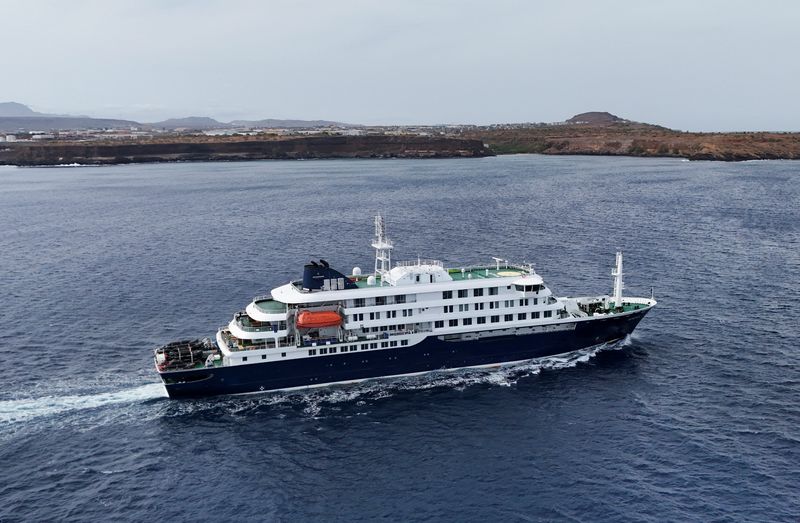
In early May 2026, the international maritime and medical communities were thrust into a state of high alert as a rare and deadly hantavirus outbreak emerged aboard the cruise ship MV Hondius. As the vessel makes its way toward the Canary Islands, health ministries across the globe are engaged in a frantic race against time to trace passengers who disembarked before the ship was quarantined, aiming to contain the spread of a pathogen known for its high mortality rate.
The situation, which has already claimed three lives, highlights the complexities of managing infectious disease outbreaks in the modern, hyper-connected era of global travel. With the World Health Organization (WHO) coordinating the response, the focus has shifted from the ship itself to the potentially exposed individuals currently dispersed across multiple continents.
The MV Hondius Crisis: An Unfolding Medical Emergency
The MV Hondius, which departed from Ushuaia, Argentina, became a floating epicenter for a cluster of severe respiratory illnesses. What began as a routine voyage toward Antarctica and across the Atlantic quickly morphed into a public health crisis.
The Tragic Toll
According to reports confirmed by the World Health Organization, there are seven identified cases—two laboratory-confirmed instances of hantavirus and five suspected cases. Tragically, three individuals have already succumbed to the infection. The victims include a Dutch couple and a German national, underscoring the multinational nature of the tragedy.
One particularly harrowing element of the outbreak involves the wife of a deceased Dutch passenger. She disembarked the ship early at Saint Helena, only to fall ill herself. Her condition deteriorated rapidly, and she tragically passed away before reaching her home country, having been removed from a KLM flight in Johannesburg on April 25 for emergency medical care.
The Viral Threat: Understanding the Andean Strain
Health experts have identified the virus as the Andean strain of hantavirus. Unlike common viruses that spread through casual interaction, the Andean strain is primarily transmitted through extremely close contact with infected bodily fluids or, more commonly in its natural habitat, via contact with rodent excreta.
While experts emphasize that human-to-human transmission is rare, the severity of the symptoms—which include acute respiratory distress—has left health authorities unwilling to take any chances. The potential for the virus to remain dormant in individuals who have already left the vessel has triggered a wide-reaching contact-tracing operation.
International Contact Tracing Efforts
The primary challenge facing authorities is the fact that approximately 40 passengers disembarked the MV Hondius in Saint Helena before the full extent of the outbreak was realized. These individuals have since traveled to various destinations, leaving public health officials in the dark regarding their exact whereabouts.
Tracking the Disembarked Passengers
Governments are working in tandem with airline carriers and travel agencies to identify and monitor those who may have been exposed. The complexity of this task cannot be overstated; passengers are currently scattered across different jurisdictions, each with its own health reporting protocols.
The KLM Incident: The mid-flight medical emergency in Johannesburg served as a wake-up call for global aviation authorities, leading to tighter screening protocols for passengers originating from the MV Hondius route.
Regional Monitoring: France, the United States, and the Netherlands are among the nations actively monitoring citizens who were on board. The French Foreign Ministry reported that at least one citizen had direct contact with an infected person but remains asymptomatic.
Scientific Investigation in Argentina
The Argentine health ministry has taken a proactive approach, launching an investigation into the origin point of the cruise. Plans are underway to conduct rodent trapping and environmental analysis in Ushuaia. Scientists are working to determine if the outbreak originated from a localized rodent infestation on the ship or if the exposure occurred during a shore excursion in the region.
The Road to Tenerife: Quarantine and Repatriation
As of early May 2026, the MV Hondius is navigating toward the Canary Islands. The Spanish government has prepared for the ship’s arrival in Tenerife, implementing a strict triage and containment strategy.
Quarantine Protocols
Upon arrival at the port of Tenerife, the vessel will be met by medical teams. The protocol is clear:
- Medical Screening: Every passenger and crew member will undergo immediate health assessments.
- Repatriation: Healthy, non-Spanish passengers will be processed for immediate repatriation to their home countries under medical supervision.
- Military Quarantine: The 14 Spanish passengers on board will be moved to a specialized military hospital in Madrid to ensure they remain isolated during the incubation period of the virus.
This multi-layered approach is designed to ensure that the virus does not gain a foothold on the European mainland. The Spanish authorities have emphasized that they have the infrastructure to manage the potential surge in medical care required for the remaining symptomatic patients.
Lessons from the 2026 Hantavirus Outbreak
The MV Hondius incident serves as a stark reminder of the vulnerabilities inherent in the cruise industry. While cruise lines have improved their sanitation protocols significantly since the early 2020s, the emergence of a zoonotic disease like hantavirus presents unique challenges that traditional sanitation cannot solve.
The Importance of Rapid Reporting
The delay in identifying the MV Hondius outbreak, which resulted in passengers disembarking before containment measures were in place, highlights the urgent need for faster diagnostic capabilities on the high seas. If the virus had been identified during the Saint Helena stop, the subsequent global manhunt for passengers would have been unnecessary.
Global Cooperation as the New Standard
The response to this crisis demonstrates the effectiveness of the WHO’s international network. By sharing data across borders—from the CDC in the United States to local health ministries in Europe and South America—the global community is functioning as a unified health system. This level of cooperation is the only way to mitigate the risks associated with global travel in the modern age.
Conclusion: Staying Vigilant
As the MV Hondius nears the end of its voyage, the world watches with bated breath. The human cost of this outbreak is already high, and the efforts to track down the remaining passengers are far from over. This event is a sobering reminder that infectious diseases do not respect borders and that the safety of the global population depends on the swift, transparent, and coordinated actions of international authorities.
For now, the focus remains on the health of the remaining passengers on board and the successful containment of the virus in the Canary Islands. As we look toward the future of maritime travel, this incident will undoubtedly lead to revised safety standards, more stringent rodent control measures on vessels, and a renewed emphasis on the health security of passengers sailing in remote regions of the world.