Diplomatic Tightrope: Marco Rubio Meets Pope Leo XIV Amidst Strained U.S.-Vatican Relations

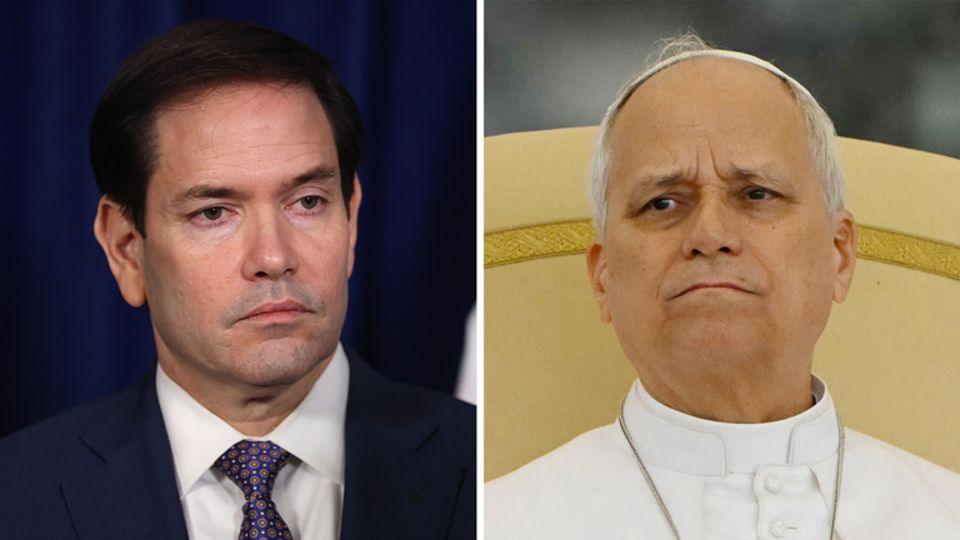
In a high-stakes diplomatic maneuver, U.S. Secretary of State Marco Rubio arrived in Rome this week for a pivotal audience with Pope Leo XIV. The meeting, held within the hallowed walls of the Apostolic Palace, comes at a time of unprecedented friction between Washington and the Holy See. As the first American-born pontiff in history approaches the first anniversary of his papacy, the relationship between his administration and President Donald Trump has devolved into a public war of words, leaving Rubio to perform a delicate balancing act of diplomacy.
The Roots of the Conflict: A Clash of Ideologies
The current diplomatic freeze is not a sudden development but the culmination of months of ideological divergence. At the heart of the tension lies the ongoing U.S. military operation in Iran, which Pope Leo XIV has consistently and vocally opposed. The Vatican’s traditional stance on pacifism and the protection of civilian life has placed it in direct opposition to the Trump administration’s aggressive foreign policy objectives.
Trump’s Rhetoric and the Vatican’s Response
President Trump has not shied away from using social media to air his grievances. In a series of inflammatory posts on Truth Social, the President labeled Pope Leo “weak on crime” and criticized his approach to global affairs. These attacks, which have included claims that the pontiff is “catering to the Radical Left,” represent a significant departure from the traditional decorum expected between the White House and the Vatican.
Pope Leo, however, has maintained a posture of calm defiance. Responding to the criticism, the Pope stated that he holds “no fear” of the U.S. administration. He has emphasized that while he welcomes criticism, it must be rooted in truth. Vatican insiders suggest that the Holy See views these attacks as a political distraction, with one official wryly noting that the President is “too intelligent” to truly desire a sustained conflict with the leader of the world’s largest religious body.
Rubio’s Mission: Cooling the Rhetoric
Secretary of State Marco Rubio, a devout Catholic, finds himself in the unenviable position of bridging the gap between his boss and the spiritual leader of his faith. While Rubio has publicly downplayed the idea that this trip is a formal “reset” of relations, analysts argue that the optics of the meeting are designed to stabilize a cooling relationship.
The Strategy of Behind-the-Scenes Diplomacy
The Vatican has long favored quiet, back-channel negotiations over public posturing. Rubio’s visit is seen as an attempt to return to this traditional framework. By engaging in a “frank conversation,” as U.S. Ambassador to the Holy See Brian Burch described it, the administration hopes to move past the headlines and focus on areas where the two entities can find common ground.
Humanitarian Aid: Despite the political tension, the U.S. and the Vatican have successfully collaborated on distributing millions of dollars in aid to regions in need, including Cuba.
Persecution of Minorities: Rubio has hinted that both sides are aligned in their concern for the treatment of Christian minorities in Africa, providing a potential pathway for renewed cooperation.
- The Cuba Question: Cuba remains a central topic. While the U.S. maintains a strict economic blockade, the Vatican continues to act as a diplomatic broker on the island. Rubio acknowledged that the U.S. is willing to work with the Church to deliver more humanitarian relief to the Cuban people.
Analyzing the 2026 Geopolitical Landscape
The timing of this meeting—occurring on the eve of the Pope’s first anniversary—highlights the complexity of the 2026 political calendar. With the U.S. mid-term elections looming, the Vatican has already signaled that there will be no papal visit to the United States this year. This decision is a standard procedure for the Holy See, which typically avoids state visits during sensitive election cycles to maintain its neutrality.
The Impact of AI and Modern Warfare
Beyond the immediate tensions, the meeting is expected to touch upon the ethical implications of emerging technology. Pope Leo has been a vocal critic of the dehumanization inherent in modern warfare, particularly regarding the use of AI in military decision-making. These concerns are directly at odds with the current U.S. push for technological superiority in its defense strategy.
Furthermore, the “blasphemous” use of religious imagery in political discourse—specifically the President’s now-deleted AI-generated posts—has caused significant distress among American Catholics. For the administration, this trip is also a tacit acknowledgment that alienating the Catholic voting bloc, which is the largest religious demographic in the United States, carries significant political risk.
Expert Perspectives: Can Relations Be Saved?
Observers of Vatican diplomacy, such as Francesco Sisci of the Appia Institute, view this meeting as a modern-day “Canossa.” Much like the historical moment of imperial submission to the papacy, the visit serves as a symbolic gesture of respect. However, Sisci warns that the Vatican remains wary of being manipulated for political optics.
Christopher White, an expert at Georgetown University, notes that the war in Iran will remain the “top of the agenda.” He suggests that the administration’s aggressive rhetoric has forced them into a corner, making this meeting a necessary step to repair the damage done to the U.S.-Vatican partnership.
Summary of Key Issues for Discussion:
- Iran and Global Peace: Reconciling the U.S. military strategy with the Pope’s calls for de-escalation.
- Migration and Refugees: Addressing the fundamental disagreement over the treatment of displaced persons.
- Humanitarian Cooperation: Identifying specific, non-political channels for aid distribution.
- Religious Freedom: Aligning on the protection of persecuted groups globally.
Looking Ahead: The Path Toward Stability
The success of Rubio’s visit will likely be measured not by a dramatic policy shift, but by the cessation of public hostility. If the Secretary of State can reassure the Holy See that the U.S. values the Vatican as a humanitarian partner rather than a political adversary, the current volatility may begin to subside.
However, the fundamental differences in worldview remain. As long as the Trump administration prioritizes “America First” policies that frequently clash with the Church’s universalist doctrine, the relationship will remain fragile. For now, the world watches as the top American diplomat navigates the halls of the Apostolic Palace, hoping to find a common language in a world increasingly divided by ideology and conflict.
Ultimately, the meeting between Rubio and Pope Leo XIV serves as a reminder that even in an era of social media soundbites and rapid-fire political attacks, the slow, deliberate machinery of traditional diplomacy remains essential. Whether this encounter marks a true turning point or merely a temporary reprieve, it underscores the enduring significance of the Vatican as an indispensable global actor.