Hantavirus Cruise Ship Crisis: Why Returning British Passengers Face a 45-Day Isolation Mandate

The global travel community is on high alert following a harrowing health emergency aboard the MV Hondius, an expedition cruise ship currently navigating the Atlantic. As the vessel makes its way toward Tenerife, health authorities have confirmed a deadly outbreak of hantavirus, prompting the UK Health Security Agency (UKHSA) to implement strict quarantine measures for all returning British nationals.
This unprecedented 45-day self-isolation directive underscores the severity of the situation. While the risk to the general public remains classified as “negligible,” the unique nature of this viral strain and its potential for human-to-human transmission—a rarity for hantavirus—has forced officials to take every possible precaution.
The Origin of the Outbreak: A Voyage Turned Tragedy
The crisis traces its origins back to an expedition cruise that departed from Argentina. Epidemiologists believe the source of the initial exposure was a birdwatching excursion in Argentina, where passengers may have been exposed to the droppings, saliva, or urine of infected rodents—the primary vectors for hantavirus.
The situation escalated rapidly on board. A Dutch passenger began suffering from severe respiratory distress and fever, tragically passing away on April 11. His wife, who was accompanying his remains for repatriation, later fell ill and succumbed to the virus on April 26. These deaths, combined with several suspected cases, have confirmed that the virus is not only present but potentially spreading within the ship’s environment.
Tracking the Spread: The St Helena Disembarkation
The complexity of this outbreak is compounded by the ship’s itinerary. When the MV Hondius docked at the remote island of St Helena, 29 passengers disembarked, including seven British nationals. Among those who left the vessel was the Dutch woman who later died during her onward journey. This has triggered an extensive contact-tracing operation, as health authorities attempt to track every individual who came into contact with these passengers during their transit home.
Understanding Hantavirus: Why 45 Days?
Hantavirus pulmonary syndrome (HPS) is a severe, often life-threatening respiratory illness. Unlike some viruses that manifest symptoms within days, hantavirus is notorious for its long and unpredictable incubation period.
Professor Robin May, the chief scientific officer at the UKHSA, explained that while the consensus for isolation is generally six weeks, the 45-day window is a necessary safeguard. “The most extreme cases of incubation can last up to eight weeks,” Professor May noted. By mandating a 45-day period, the UK government aims to ensure that any passenger who might be harboring the virus is identified and treated before they can interact with the wider community.
Is Human-to-Human Transmission Possible?
Historically, hantavirus is transmitted to humans via direct contact with rodent waste. However, the current outbreak on the MV Hondius has raised concerns because of evidence suggesting it may be spreading between passengers on the ship.
While the World Health Organization (WHO) and local health agencies emphasize that the virus is “not easy to transmit” through casual contact—such as walking past someone in an airport—they are taking no chances with prolonged exposure. Contact tracing is currently focused on those who sat in close proximity to returning passengers for extended durations on flights.
The Repatriation Plan: Bringing Britons Home
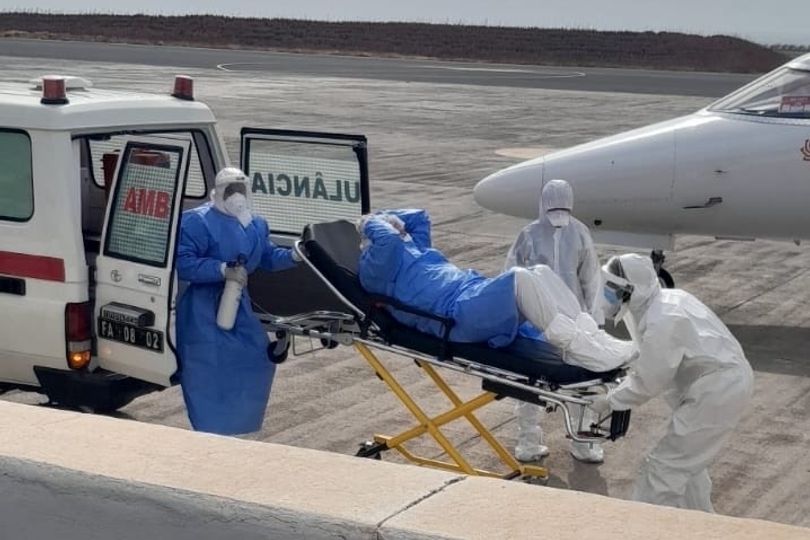
The Foreign Office is currently coordinating a charter flight to bring the remaining British citizens home from Tenerife, where the ship is expected to dock. Once they arrive on UK soil, these individuals will be placed under strict monitoring protocols.
Monitoring and Support
The UKHSA has confirmed that none of the British passengers currently on the ship are reporting symptoms. However, they are being closely monitored by medical staff on board. Upon arrival, the process for the 45-day isolation will include:
Regular Symptom Checks: Daily reporting of health status to local health authorities.
Rapid Testing: Immediate access to specialized diagnostic facilities if a fever or respiratory issue arises.
- Quarantine Support: Provisions to ensure that those in isolation have the necessary resources to remain home-bound for the full duration.
Public Safety and Risk Assessment
One of the most important messages being communicated by the UKHSA is that the risk to the average British citizen is extremely low. Hantavirus does not spread through the air in the same way as influenza or COVID-19.
“For the wider public, the risk is negligible,” Professor May reiterated during a recent briefing. The focus remains strictly on the cruise ship population and those who had direct, prolonged contact with them. The stringent measures are preventative, designed to “contain the cluster” before it can ever reach the general population.
Lessons Learned from the MV Hondius Outbreak
As the world watches the situation unfold, the cruise industry and global health authorities are already analyzing the event. The outbreak serves as a stark reminder of the risks associated with remote expedition travel.
- Enhanced Screening: Future expeditions may require more rigorous pre-boarding health screenings, particularly for those visiting areas known for rodent-borne diseases.
- Rapid Response Protocols: The speed with which the UKHSA and international partners acted demonstrates the effectiveness of modern infectious disease surveillance.
- Communication: Keeping the public informed without causing unnecessary panic is a delicate balance, one that the authorities have managed by stressing the “negligible” risk to the general public.
Conclusion: A Cautionary Tale for Expedition Travel
The 45-day isolation period for the MV Hondius passengers is a significant challenge for those involved, but it represents a necessary sacrifice for global health security. As the ship prepares for its arrival in Tenerife, the priority remains the safe repatriation and continued health monitoring of all passengers.
While the story of the MV Hondius is a somber one, highlighting the tragic loss of life, it also showcases the robust nature of international health cooperation. By isolating the potential spread of the hantavirus at the source, authorities are successfully preventing a localized tragedy from becoming a broader public health crisis.
For now, the world waits for the final passengers to return, hoping that the 45-day quarantine period will pass without any further incidents. As we continue to navigate a world of global travel, this event will undoubtedly serve as a critical case study in how to manage rare, yet dangerous, infectious disease outbreaks in the future.