Tenerife Locals Fear ‘Covid Flashbacks’ as Hantavirus Cruise Ship Crisis Escalates

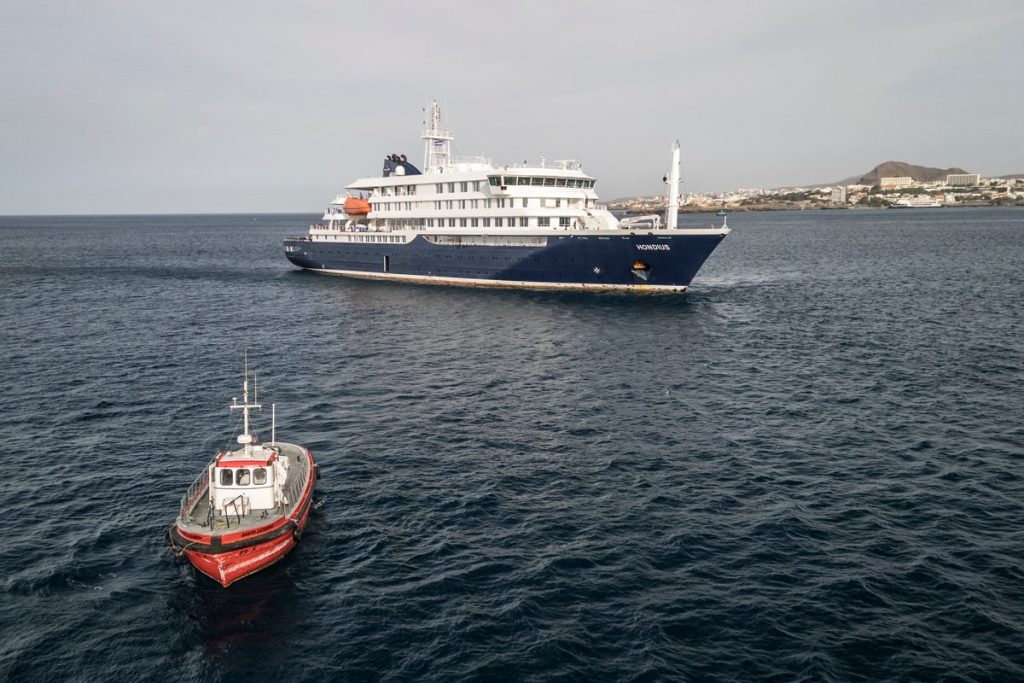
The tranquil shores of Tenerife, a jewel of the Canary Islands, have become the epicenter of a tense international standoff. As the MV Hondius, a cruise ship plagued by a suspected hantavirus outbreak, approaches the Spanish archipelago, the mood on the island is far from welcoming. For many residents, the sight of a virus-stricken vessel seeking refuge brings back haunting memories of the 2020 pandemic, sparking a fierce debate between local safety concerns and humanitarian obligations.
With three confirmed deaths and several others critically ill, the medical community and the tourism-dependent economy of Tenerife are on high alert. Is this a repeat of the early days of the global pandemic, or a manageable public health challenge?
The MV Hondius Crisis: A Rare Viral Threat
The hantavirus outbreak aboard the MV Hondius has sent shockwaves through the global maritime and travel industries. Unlike common cruise ship illnesses like norovirus, hantavirus is a rare, severe respiratory disease typically transmitted through contact with rodent droppings or urine.
While health experts emphasize that hantavirus is not generally transmitted from person to person, the World Health Organization (WHO) has noted the potential for rare human-to-human transmission in enclosed, high-density environments like cruise ships. This uncertainty is exactly what has fueled the panic among Tenerife’s population.
Why Hantavirus Is Different
Vector-Borne: Primarily spread via rodent waste, which makes the containment on a ship uniquely difficult.
High Mortality Rate: The disease can lead to Hantavirus Pulmonary Syndrome (HPS), a severe respiratory condition.
Detection Challenges: Early symptoms often mimic the flu, making rapid diagnosis difficult in a maritime setting.
“Flashbacks to 2020”: The Psychological Toll on Tenerife
For frontline workers like David Hernández, an intensive care nurse in Tenerife, the news of the ship’s arrival is a visceral trigger. Having lived through the peak of the Covid-19 pandemic, where the island’s healthcare system was pushed to the brink, the fear of an “imported” crisis is palpable.
“We had a terrible time in the hospital during the pandemic,” Hernández notes. “With the island’s population growth and the same limited ICU capacity we had years ago, there is a genuine fear that we simply cannot cope with an influx of patients requiring specialized, long-term care.”
The Strain on Infrastructure
The frustration stems from a lack of investment in local healthcare infrastructure that has failed to keep pace with the island’s booming population. Residents argue that the central government in Madrid often treats the Canary Islands as a “buffer zone” for international crises, prioritizing geopolitical convenience over the safety and stability of the local populace.
Political Tensions: Madrid vs. The Canary Islands
The standoff between Canary Islands leader Fernando Clavijo and the Spanish central government has highlighted deep-seated regional resentment. Clavijo’s attempt to block the ship from docking was met with firm resistance from Madrid, which cited international maritime law and advice from the WHO to justify the docking.
This isn’t just about a virus; it is about autonomy. Many islanders feel they have little say in decisions that could jeopardize their primary economic driver: tourism.
The Economic Ripple Effect
Tenerife relies heavily on its reputation as a safe, sun-drenched haven for millions of British and European travelers. Business owners fear that the visual of a “virus-ship” anchored off the coast will undo years of post-pandemic recovery efforts.
- Traveler Confidence: Potential tourists may perceive the island as a “hotspot” for disease.
- Reputational Damage: The narrative of “stranded ships” evokes negative imagery that is difficult for tourism boards to scrub.
- Logistical Uncertainty: Residents are questioning if the docking will lead to localized lockdowns or travel restrictions, further stifling the local economy.
Is History Repeating Itself?
Local historian and retired teacher Francesca Borges points out that this is not the first time the Canary Islands have been used as a quarantine station. From the 19th-century cholera outbreaks to the stranded ships of 2020, there is a historical precedent for the island being the “frontline” for European maritime health crises.
“There is a sense that the Spanish government has always had this attitude that the Canary Islands is treated like a colony,” Borges says. “We are expected to shoulder the burden whenever a ship has nowhere else to go.”
How Scientists Are Monitoring the Outbreak
While the public remains fearful, the scientific community is taking a methodical approach. Infectious-disease researchers are currently studying the MV Hondius incident to understand how the virus moved through the ship’s population.
Containment Protocols: The focus is on strict isolation of symptomatic passengers and crew.
Environmental Decontamination: Because the virus is linked to rodents, deep cleaning of the vessel is essential before any passengers can safely disembark.
Global Surveillance: The WHO is tracking the case to ensure that no secondary community transmission occurs, though they stress that the risk to the general public remains low compared to airborne pathogens like influenza or SARS-CoV-2.
Conclusion: Balancing Humanity and Safety
The situation remains fluid as the MV Hondius approaches the Canary Islands. The challenge for authorities is to balance the humanitarian obligation to treat the sick passengers aboard with the legitimate fears of a population that has already endured the trauma of a global pandemic.
As Tenerife braces for the ship’s arrival, the focus must shift to transparent communication. If the government can prove that stringent protocols are in place—and that the island’s limited ICU capacity will not be overwhelmed—the anxiety may subside. However, for many locals, the scars of the past remain fresh, and the arrival of the MV Hondius is a stark reminder that in an interconnected world, the health of one ship can quickly become the crisis of an entire community.