Stadium Funding Showdown: Crusaders and Derry City Take High-Stakes Legal Battle to Court

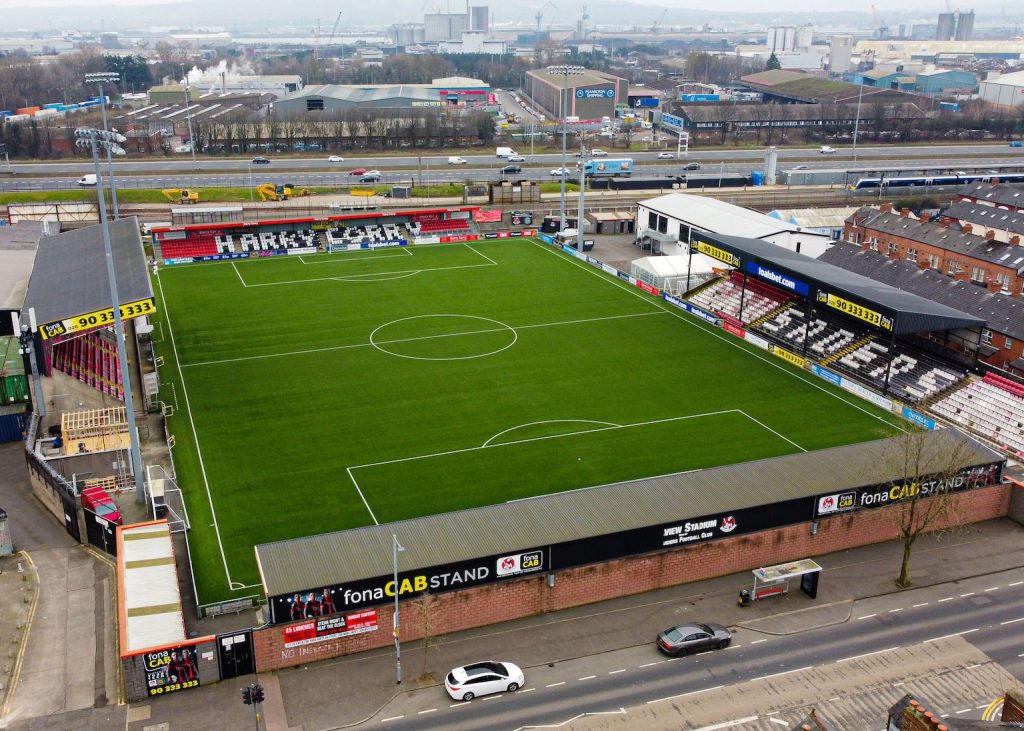
The landscape of Northern Irish and cross-border football infrastructure has reached a boiling point in 2026. As the £36.2 million Northern Ireland Football Fund remains mired in controversy, two of the island’s most historic clubs—Crusaders FC and Derry City FC—have taken the bold step of seeking a judicial review against Communities Minister Gordon Lyons.
This high-profile legal clash is not merely about money; it is a fundamental challenge to the transparency, procedural integrity, and fairness of government-led sports investment. As the High Court weighs the arguments, the implications for the future of stadium development across the region are profound.
The Genesis of the Dispute: A Fund in Flux
The Northern Ireland Football Fund was designed as a beacon of hope for clubs struggling with aging infrastructure. With an initial budget of £36.2 million, the program aimed to modernize facilities, improve safety, and elevate the standard of the game. Out of 41 eligible clubs, 38 submitted bids, hoping to secure a share of the vital investment.
However, the process hit a wall in September 2025 when Minister Gordon Lyons announced that only 20 clubs had successfully advanced to the next stage. The surprise exclusion of both the North Belfast-based Crusaders and the League of Ireland’s Derry City sent shockwaves through the sporting community.
Why Are Crusaders and Derry City Suing?
The core of the legal challenge rests on the claim that the Department for Communities abandoned its own “safeguarding panel”—a vital check-and-balance mechanism—without a lawful basis.
Procedural Breach: The clubs argue that the removal of the sectoral panel, which was intended to score and rank bids, created an “unlawful” environment.
Legitimate Expectation: Legal counsel for the clubs asserts that the Department failed to uphold the procedural expectations promised at the start of the application phase.
Ministerial Influence: The exclusion of the panel followed intense debate over the inclusion of high-profile manager David Jeffrey, whose potential role as an independent advisor sparked concerns regarding neutrality and bias.
The High Court Battle: Ministerial Discretion vs. Due Process
In the High Court, the legal arguments have been as intense as any North Belfast derby. The clubs’ legal team, led by Stephen Toal KC, painted a picture of a process derailed by “ministerial silence” and an arbitrary departure from established rules.
The Argument for Accountability
The plaintiffs argue that the decision to abandon the sectoral panel was not a strategic pivot, but a failure of governance. By opting out of the expert-led review, they claim the Department left the decision-making process vulnerable to political interference. The “three months of ministerial silence” regarding alternative panel members is cited as the tipping point that rendered the entire selection process flawed.
The Government’s Defense
Representing the Department for Communities, Tony McGleenan KC has maintained that the Minister acted within his rights. The defense suggests that the case is a “narrow challenge” centered on whether a Minister can change their mind during a policy rollout.
McGleenan argued that:
- Ministerial Prerogative: A Minister is entitled to revise processes as circumstances evolve.
- Administrative Reality: The lack of immediate response to administrative queries is a common occurrence in government, not evidence of bad faith or illegality.
- No Breach of Law: The Department maintains that the final decision-making power rests with the Minister, and therefore, the removal of an advisory panel does not constitute a legal breach.
Broader Implications for Football Infrastructure
The tension surrounding this funding dispute reflects a wider crisis in football management. With clubs like Drogheda United facing their own regulatory hurdles regarding UEFA licensing and multi-club ownership (MCO) regulations, the standard for governance in 2026 has never been higher.
The “Safeguarding” Gap
The controversy underscores the necessity of independent oversight. When public funds are allocated to private sports entities, the process must not only be fair but must also be seen* to be fair. If the High Court rules in favor of the clubs, it could set a massive precedent for how government departments manage sports grants, potentially requiring more rigid, non-political oversight in the future.
Impact on the Brandywell and Seaview
For fans of Derry City and Crusaders, this is about the long-term viability of their homes. Derry City has invested heavily in the Brandywell stadium and its training facilities, while Crusaders’ Seaview remains a focal point for the North Belfast community. Missing out on this funding isn’t just a financial loss; it’s a barrier to growth that could leave these clubs lagging behind their peers for years to come.
The View from the Stand: Community Outcry
The “complete anger” expressed by Derry councillors is mirrored by the frustration of supporters across the Irish League and the League of Ireland. The perception that the process was “thrown into crisis” has left a bitter taste in the mouths of stakeholders who feel that the spirit of the game is being stifled by bureaucratic maneuvering.
Whether the court orders a re-evaluation of the bids or confirms the current results, the damage to the relationship between these clubs and the Department for Communities may be lasting.
Conclusion: A Turning Point for Sports Law
As Mr. Justice Fowler prepares to deliver his judgment, the sports world waits with bated breath. This case serves as a sharp reminder that when government, money, and sport intersect, the path is rarely smooth.
For Crusaders and Derry City, the legal battle is a fight for fairness. For Minister Gordon Lyons and the Department for Communities, it is a test of their administrative authority. Regardless of the outcome, the 2026 legal challenge will likely be studied as a landmark case in the intersection of public funding and sports governance.
The stadium infrastructure of Northern Ireland deserves a process that is as robust as the clubs themselves. Until then, the pitch remains tilted, and the game is effectively paused in the halls of justice.