Princess of Wales Leads New Era of Early Childhood Development at University of East London

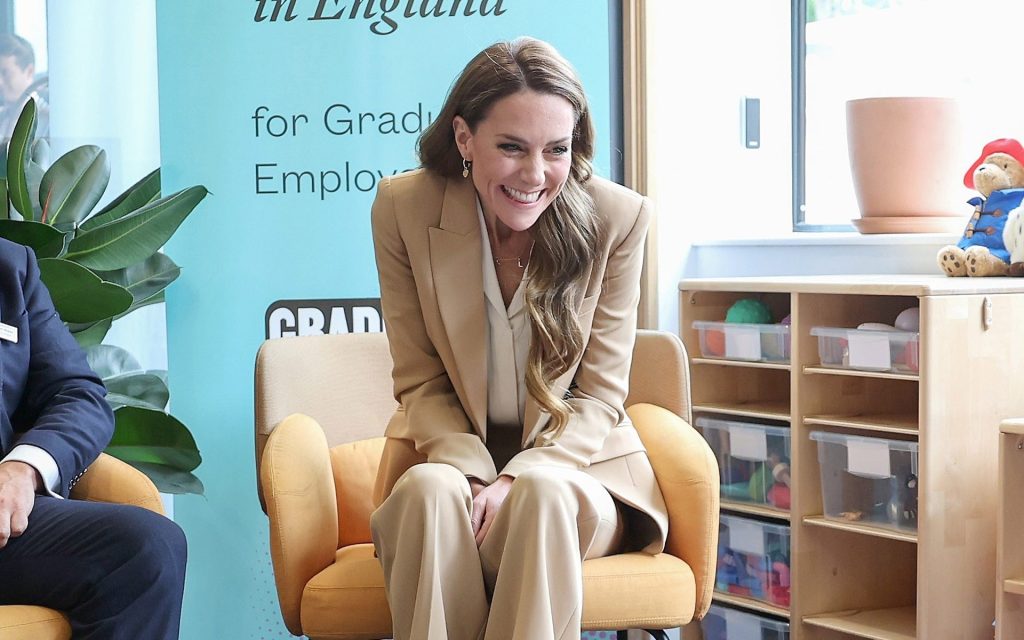
In a significant return to her core royal duties, the Princess of Wales recently visited the University of East London (UEL) to champion the next phase of her life’s work: early childhood development. This high-profile engagement, held on May 6, 2026, served as a powerful statement regarding her ongoing commitment to the foundational years of human growth, marking a pivotal moment in her recovery and her return to the public eye.
As the Princess continues her advocacy through The Royal Foundation Centre for Early Childhood, this visit was not merely ceremonial. It highlighted the intersection of cutting-edge psychological research and practical parenting guidance, signaling a sophisticated, science-led approach to supporting families across the United Kingdom.
A Strategic Return to Public Life
The atmosphere at the University of East London was one of focused anticipation. Dressed in a sophisticated camel-coloured trouser suit, the Princess of Wales demonstrated that her passion for social impact remains undiminished. This visit arrived at a critical juncture, occurring on the same day as the announcement of her upcoming overseas trip to Reggio Emilia, Italy.
This international journey, her first multi-day foreign trip in nearly three and a half years, signifies a major milestone in her recovery following her recent cancer treatment. By blending academic engagement in London with upcoming global research collaboration in Italy, the Princess is clearly signaling that her “life’s work” in the early years sector is back at the forefront of her royal agenda.
Inside the Lab: Observing the Science of Connection
One of the most compelling moments of the visit occurred within the university’s specialized research facility. The Princess observed firsthand how researchers utilize advanced technology to map the social and emotional development of children.
In a display of genuine connection, she engaged with young participants—including three-year-old Mikail—as they participated in “The Magic Box” experiments. These young children wore specialized caps equipped with sensors to monitor brainwaves and stress responses as they interacted with their parents.
The Role of Technology in Research
The research conducted at UEL is groundbreaking. By observing how children react when they break off contact with a parent or navigate new environments, experts can better understand the biological markers of secure attachment.
Stress Monitoring: Sensors track real-time physiological responses to separation.
Behavioral Analysis: Researchers analyze how children regulate emotions in the presence of caregivers.
Data-Driven Insights: The collaboration between the Royal Foundation and academic institutions ensures that policy recommendations are backed by empirical evidence.
Unveiling “Foundations for Life”: A New Toolkit
The highlight of the visit was the launch of the Royal Foundation’s latest resource, Foundations for Life: A Guide to Social and Emotional Developments. This comprehensive online guide is designed for professionals, educators, and families, aiming to demystify the complex processes that occur in the first five years of a child’s life.
The guide emphasizes a refreshing and compassionate message: children do not require “perfect” parents. Instead, they thrive with “good enough” parenting—caregivers who are present, responsive, and attuned to the child’s emotional needs.
Addressing the “Techno-ference” Crisis
A significant portion of the new report focuses on the modern epidemic of “techno-ference.” The Princess has been a vocal critic of how digital distractions interfere with the parent-child bond. The report provides sobering insights:
- Distraction: When parents are fixated on mobile screens, they miss critical non-verbal cues from their children.
- Emotional Regulation: Using screens to soothe a distressed child can hinder the child’s ability to learn how to manage their own emotions.
- Digital Habit Formation: Relying on devices to calm children can inadvertently teach them to seek digital escapism, which may have long-term consequences for their mental health.
Why Human Connection Matters More Than Ever
In the foreword to the new guide, the Princess of Wales articulates a poignant vision for the future. She acknowledges the modern struggle against a “distracted, fragmented, and digital” world. Her message is clear: in an age of constant noise and interruption, the most radical act a parent can perform is to offer undivided attention.
This emphasis on “human connection” serves as the bedrock of her advocacy. The Princess argues that by investing in these early years, society can mitigate some of the most difficult challenges, including family breakdown, poor mental health, and social inequality.
The Path Ahead: From London to Italy
As the Princess prepares for her upcoming research trip to Italy, the UEL visit serves as a bridge between local engagement and international policy influence. Reggio Emilia is world-renowned for its progressive approach to early childhood education, and the Princess’s visit there will undoubtedly bring global attention to the pedagogical innovations that could be adopted across the UK.
Her return to international travel is not just a personal victory; it is a signal to the sector that the Royal Foundation Centre for Early Childhood is scaling its ambitions. By partnering with leading academics like Professor Sam Wass, the Princess ensures that her campaigns—such as the Shaping Us initiative—remain rooted in rigorous, peer-reviewed science.
Conclusion: A Lasting Legacy
The visit to the University of East London underscores a broader truth about the Princess of Wales’s royal role: she is positioning herself as a bridge between the public, the academic community, and the policy-makers. By focusing on the “earliest years,” she is tackling the root causes of many societal issues rather than merely treating the symptoms.
As we move through 2026, it is evident that the Princess of Wales is more energized than ever. Her ability to synthesize complex scientific research into actionable, compassionate advice for parents is a testament to her dedication. With the launch of Foundations for Life*, she has provided a vital tool that will help a new generation of parents navigate the digital age while keeping the focus exactly where it belongs: on the healthy, emotional development of their children.