Local Elections 2026: Zack Polanski’s Popularity Plummets Amidst Police Tweet Controversy

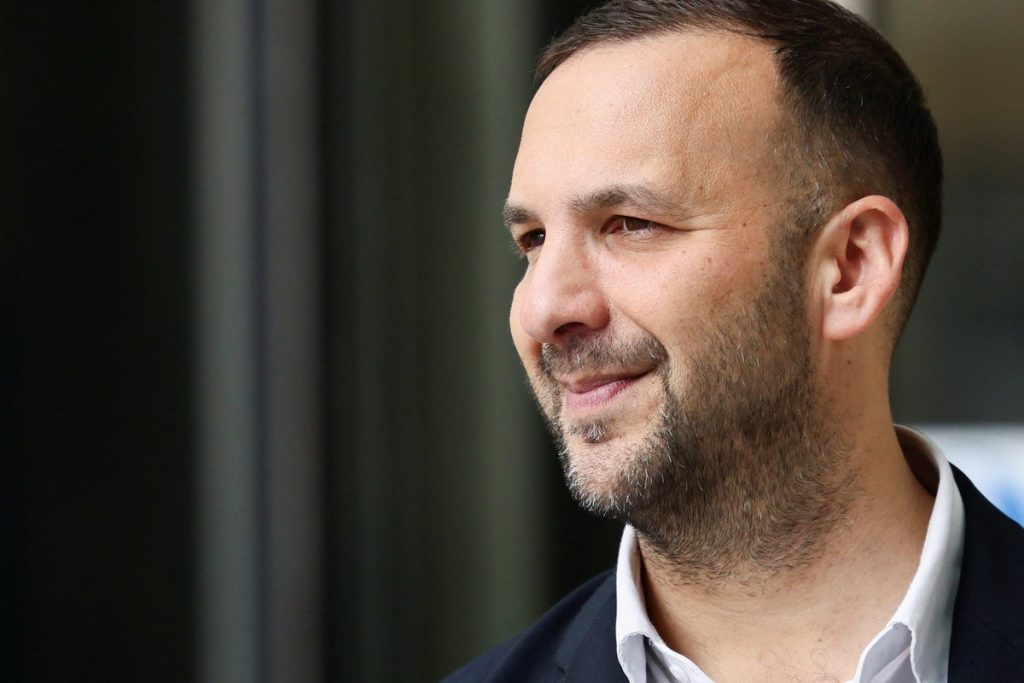
The landscape of British politics is shifting rapidly as voters head to the polls for the 2026 local elections. Among the most significant developments is the sudden decline in the popularity of Green Party leader Zack Polanski. Following a contentious social media post regarding the Metropolitan Police’s handling of a terror suspect in Golders Green, Polanski has faced a wave of public scrutiny that threatens to undermine his party’s electoral momentum.
The Twitter Row: A Turning Point for the Greens
The controversy ignited when Zack Polanski shared a post on X (formerly Twitter) criticizing Metropolitan Police officers for their physical intervention during the arrest of a stabbing suspect in Golders Green. The footage, which went viral, showed officers attempting to subdue a suspect who was still armed with a knife. Polanski’s commentary, which suggested the use of excessive force, triggered an immediate backlash from political rivals and the police force itself.
According to the latest YouGov data, this incident has caused a sharp dip in Polanski’s favorability. Negative sentiment toward the Green leader rose by 8% in just one week, reaching 47%—his lowest rating since assuming the leadership last year. The fallout has been particularly damaging because it occurred just 24 hours before voters were set to cast their ballots in crucial council and regional elections.
Misleading Claims and Mounting Pressure
The situation for the Green Party was further complicated by Polanski’s inaccurate assertion that the suspect was handcuffed during the arrest. The Metropolitan Police issued a firm response, clarifying that the suspect was not in handcuffs and that officers acted with “true courage” to neutralize a clear and present threat.
Beyond the police row, Polanski has struggled to maintain his credibility due to other controversies:
False Credentials: It was revealed that Polanski falsely claimed to be a spokesperson for the British Red Cross and a full member of the National Council of Hypnotherapy.
Antisemitism Concerns: The Green Party has faced internal and external pressure to address antisemitic remarks made by some of its candidates, leading former leader Caroline Lucas to call for a more rigorous vetting process.
- Leadership Readiness: In a candid interview with the BBC, Polanski admitted he is “not ready” to serve as Prime Minister, a statement that critics have seized upon as evidence of his lack of experience.
The Political Landscape: Reform UK and the Labour Struggle
As the Green Party deals with its internal crises, other political forces are positioning themselves to capitalize on voter disillusionment. Nigel Farage, leading Reform UK, has been vocal about his party’s potential to emerge as the “only true national party.” With recent polling showing Reform UK leading with 25% of the vote—ahead of both Labour and the Conservatives—the 2026 local elections are shaping up to be a transformative moment for the UK’s political hierarchy.
Farage himself has faced headlines regarding a £5 million gift from donor Christopher Harborne. Despite the controversy, Farage insists there is “no case to answer,” maintaining that the funds were necessary for his personal security in the face of ongoing threats.
Meanwhile, Sir Keir Starmer’s Labour Party is bracing for a potential electoral wipeout. Even within his own party, figures like Welsh First Minister Eluned Morgan have suggested that the Prime Minister’s leadership is becoming a liability on the doorstep, potentially costing Labour its historic hold on the Senedd.
Conservative Critique: “In Over His Head”
The Conservative Party has not missed the opportunity to highlight the Green Party’s turmoil. Kemi Badenoch, the Conservative leader, did not mince words, describing Polanski as a man who is “in over his head.” Badenoch argued that Polanski’s failure to support police officers during a life-or-death situation demonstrates a lack of seriousness that disqualifies him from national leadership.
This sentiment echoes a broader critique from the political establishment: that the Green Party, while successful at the local level, struggles to maintain the discipline and judgment required for national governance.
What This Means for the 2026 Local Elections
With over 5,000 council seats up for grabs across England, the impact of these controversies cannot be overstated. While the Greens were previously projected to make significant gains, the current climate of uncertainty may cause wavering voters to look elsewhere.
Key Takeaways for Voters:
- Trust Matters: Candidates’ past claims and current social media behavior are under more scrutiny than ever before.
- Police Relations: Public support for the police remains a sensitive and decisive issue in urban and rural districts alike.
- Shift in Power: The surge of Reform UK suggests that voters are actively seeking alternatives to the traditional Labour-Conservative duopoly.
As the ballots are counted, the focus will shift from the rhetoric of the campaign trail to the cold reality of election results. For Zack Polanski, these elections will serve as a definitive test of whether his leadership can survive the mounting pressure, or if the Green Party will be forced to reconsider its direction in the wake of a significant public relations failure.