Howard Lutnick Faces Capitol Hill: Commerce Secretary Testifies in High-Stakes Epstein Probe

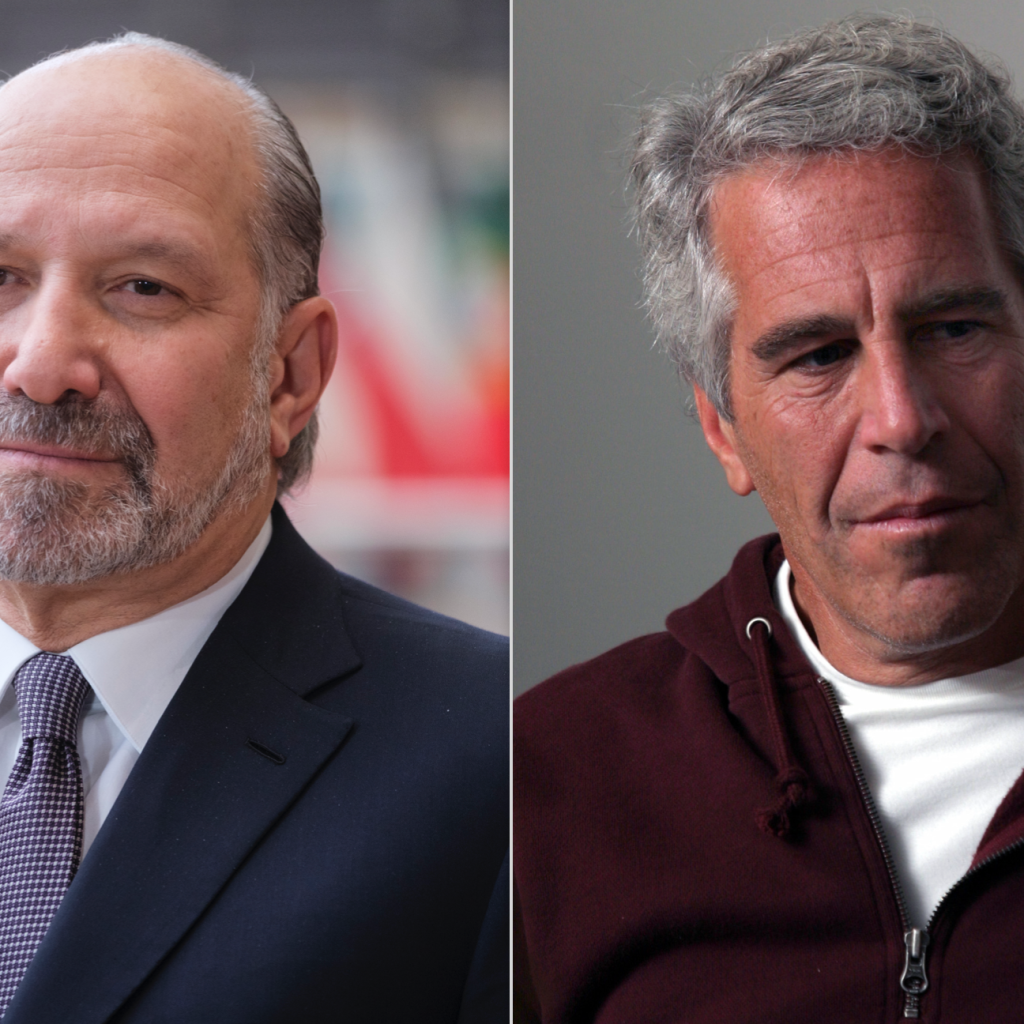
In a development that has sent shockwaves through Washington, Commerce Secretary Howard Lutnick is appearing before the House Oversight Committee today. This closed-door deposition marks a critical juncture in the ongoing congressional investigation into the network and influence of the late convicted sex offender, Jeffrey Epstein. As the first member of the current Cabinet to face such scrutiny regarding these ties, Lutnick’s testimony is being closely watched by political analysts and the public alike.
The investigation, which has already summoned a long list of high-profile figures, aims to sift through over 3 million pages of documentation. These records have consistently challenged the narratives of powerful individuals who previously claimed to have severed ties with Epstein years before his ultimate downfall.
The Context: Why Howard Lutnick is Under the Microscope
The scrutiny surrounding the Commerce Secretary stems from a series of revelations unearthed in the massive cache of the so-called “Epstein files.” For months, the House Oversight Committee has been methodically working through these documents, uncovering business dealings and personal associations that were previously obscured from the public eye.
Challenging the 2005 Narrative
For years, Howard Lutnick—the former chairman of the financial services firm Cantor Fitzgerald—maintained that his relationship with Epstein concluded in 2005. This date is significant, as it precedes Epstein’s initial 2008 guilty plea to state prostitution charges in Florida. However, the committee’s investigation has produced evidence that directly contradicts this timeline.
Records indicate that the two men were involved in a joint investment venture as late as 2014, specifically regarding a now-defunct advertising firm known as Adfin. Furthermore, digital correspondence between the two continued through 2018—just one year before Epstein’s death in a Manhattan jail cell—discussing business matters and local real estate development.
The Island Visit: A Point of Contention
One of the most contentious aspects of the committee’s inquiry involves the 2012 visit to Little St. James, Epstein’s infamous private Caribbean island. During earlier testimony before the Senate, Lutnick acknowledged the visit, though he characterized it as a family vacation.
The Defense: Lutnick claimed the visit was brief, stating, “We had lunch on the island… then we left with all of my children, with my nannies and my wife all together.”
The Scrutiny: Lawmakers are questioning why a high-ranking financial executive would maintain a social connection to a man who had already been convicted of sex crimes by 2012.
- The Visual Evidence: The committee is in possession of an undated photograph from the files that appears to show Lutnick and Epstein together on the island. This imagery serves as a focal point for the questioning, as investigators seek to establish the depth of their ongoing association.
The Broader Scope of the House Oversight Probe
Lutnick’s appearance is not an isolated event but part of a sweeping, exhaustive effort by the House Oversight Committee to map the connections Epstein maintained within the highest echelons of American power. The committee has adopted a “no stone left unturned” approach, summoning a diverse range of witnesses.
Who Else Has Been Called?
The list of individuals summoned by the committee reads like a cross-section of global influence. Previous sessions have included:
- Executors of the Epstein Estate: To understand the financial logistics and the distribution of assets.
- Political Figures: Former President Bill Clinton and former Secretary of State Hillary Clinton have been among those answering questions.
- Billionaires and Business Leaders: Individuals like Les Wexner have been brought in to explain the intersection of private wealth and Epstein’s orbit.
- Legal and Administrative Figures: The committee is also pursuing testimony from former Attorney General Pam Bondi, who is expected to appear later this month following previous scheduling delays.
The Political Stakes for the Administration
As the first Trump Cabinet official to face this specific line of questioning, Lutnick’s testimony carries significant political weight. For the administration, the goal is to limit the fallout and frame the testimony as a voluntary act of transparency. By “proactively agreeing” to appear, as committee leadership noted, Lutnick is attempting to signal cooperation.
However, the political reality is more complex. Each revelation that surfaces from the 3 million pages of records adds pressure to the administration. If the testimony reveals discrepancies between what was previously stated and the documentary evidence, it could create a firestorm of media attention that distracts from the administration’s legislative agenda.
Transparency vs. Privacy: The Closed-Door Format
The decision to hold the deposition behind closed doors has sparked debate. Proponents of the format argue that it allows for a more candid, unfiltered exchange of information, which is necessary when dealing with sensitive, non-public records. Critics, however, argue that such high-profile investigations into figures of public trust should be conducted in the open to ensure total accountability.
The committee chairman has emphasized that this approach is standard for the current phase of the investigation, which relies heavily on reviewing specific, sensitive evidentiary documents. Whether this will satisfy the public demand for answers remains to be seen.
Conclusion: A Turning Point in the Investigation
Today’s testimony from Commerce Secretary Howard Lutnick is more than just a procedural event; it is a defining moment for the House Oversight Committee’s Epstein probe. By bringing a sitting Cabinet member into the fold, the committee is signaling that it is willing to challenge the highest levels of government to piece together the truth about Epstein’s influence.
As the documents continue to be parsed and more witnesses take the stand, the narrative surrounding Epstein is shifting from one of individual criminality to one of systemic institutional failure. Whether Lutnick’s testimony will provide the closure the committee seeks or open the door to further lines of inquiry remains the central question of the day. For now, Washington waits to see what the, until now, “voluntary” testimony will actually yield.