The Return of Excellence: President Donald Trump Revives the Presidential Fitness Test in Schools for 2026

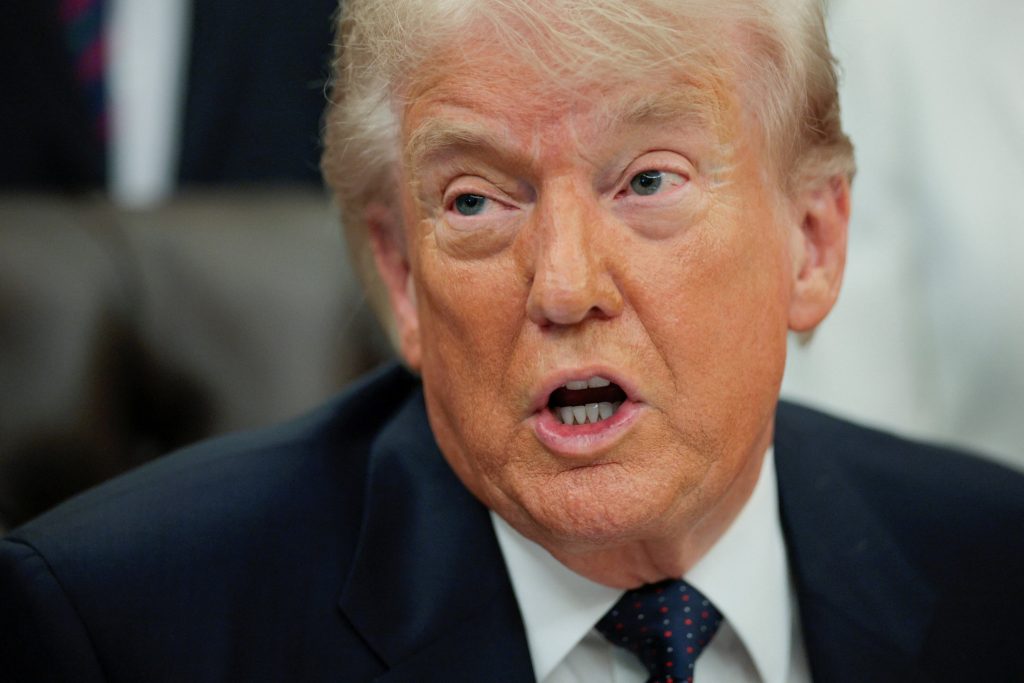
The American classroom is about to get a lot more active. In a move that signals a return to traditional American values of competition and physical prowess, President Donald Trump has officially revived the Presidential Fitness Test in schools across the nation. As of May 2026, the administration has placed a renewed emphasis on youth health, aiming to restore a “culture of excellence” that many feel was lost over the last decade.
By designating May as National Physical Fitness and Sports Month, the White House is not just making a symbolic gesture. This initiative represents a significant shift in the Department of Health and Human Services’ approach to student wellness, moving away from generalized health metrics and back toward the high-standard performance benchmarks that defined the mid-20th century.
A “Cherished Tradition” Restored: Why the Fitness Test Matters
The Presidential Fitness Test is a program with deep roots in American history. Originally established in the late 1950s under President Dwight D. Eisenhower—and later championed by John F. Kennedy—the test was a staple of the American public school experience for over 50 years. However, in 2013, the Obama administration phased it out, replacing it with the “Presidential Youth Fitness Program,” which focused on health-related fitness rather than performance-based competition.
President Trump’s decision to bring back the original format is a direct critique of that shift. During a signing ceremony in the Oval Office, the President noted that the previous administration had “gradually abolished this excellent tradition of physical training.” He emphasized that his administration is committed to passing on the values of excellence and competitiveness to the next generation of Americans.
The Philosophy of Competition vs. Participation
The revival of the test brings back the Presidential Physical Fitness Award, a certificate given to students who reach the top 85th percentile in physical standards.
The Trump Vision: Focuses on rewarding the highest achievers to motivate all students to strive for greatness.
The Previous Focus: Emphasized long-term health tracking and reduced the “competitive” element to avoid discouraging less athletic students.
The 2026 Mandate: Reinstates the 1-mile run, sit-ups, pull-ups, and shuttle runs as the gold standard for measuring a student’s grit and physical capability.
RFK Jr. and the “New Frontier” of Fitness
One of the most prominent figures behind this revival is the Secretary of Health and Human Services, Robert F. Kennedy Jr. His involvement adds a layer of historical irony and weight to the initiative. RFK Jr. has long been an advocate for clearing toxins from the American food supply and encouraging a more active lifestyle.
During the signing ceremony, Secretary Kennedy recalled a famous anecdote involving his uncle, President John F. Kennedy. JFK once challenged his cabinet to a 50-mile march to prove to the world that the American leadership was physically capable and resilient.
The 50-Mile Challenge for the Modern Cabinet
Secretary Kennedy suggested that the current cabinet is more than up to the task. He specifically named several key figures who could lead the charge:
- Transportation Secretary Sean Duffy: Known for his background as a professional lumberjack athlete.
- Defense Secretary Pete Hegseth: A veteran with a strong focus on military-grade physical readiness.
- The President Himself: When Kennedy omitted the President’s name from the list of “marchers,” Trump jokingly interjected, “What about me?”
Kennedy quickly pivoted, noting that the President walks approximately 9 miles on the golf course every weekend. Trump, with a characteristic smile, added the caveat, “That’s when I don’t use the cart,” highlighting his personal commitment to staying active despite a grueling schedule.
What Schools Can Expect: The 2026 Fitness Standards
While the specific, finalized data points for the 2026 test are still being refined, the administration has made it clear that the core components of the classic test are back. The goal is to provide a standardized metric that allows parents and teachers to see exactly where a child stands compared to their peers nationwide.
Core Components of the Revived Test:
The 1-Mile Run: A test of cardiovascular endurance and mental toughness.
Sit-ups (Timed): Measuring core strength and muscular endurance.
Pull-ups/Flexed Arm Hang: Evaluating upper body strength, often considered the most challenging part of the test.
Shuttle Run: Testing agility, speed, and coordination.
Sit and Reach: Ensuring that flexibility remains a key component of overall physical health.
The administration plans to provide certificates of achievement signed by the President. These awards are intended to be prestigious markers of a student’s dedication to their physical health, much like academic honors.
The Cultural Impact: Making America Fit Again
The revival of the fitness test is part of a broader cultural push. As the United States prepares to host major global events—including the 2026 FIFA World Cup and the upcoming Olympic Games—the administration wants to ensure that American youth are not just spectators, but active participants in a “sporting culture.”
The event on the White House South Lawn was a testament to this energy. Surrounded by young athletes from various disciplines—football, hockey, volleyball, and golf—President Trump celebrated the joy of movement. In a moment that went viral, the President was seen dancing to his campaign anthem, “YMCA,” alongside students, symbolizing a presidency that views fitness as both a duty and a celebration.
Addressing the Youth Obesity Crisis
Critics of the move argue that a competitive test might alienate students who struggle with weight. However, the Trump administration and Secretary RFK Jr. argue the opposite. They believe that by setting high standards and removing ultra-processed foods from school lunches (another key part of their 2026 platform), they are providing the necessary “tough love” and environmental changes needed to combat the rising rates of childhood obesity.
Analysis: The Political and Social Implications
The revival of the Presidential Fitness Test is more than just a PE requirement; it is a political statement. It serves as a rejection of “participation trophy” culture and a return to the meritocratic ideals that many of Trump’s supporters value.
1. Reclaiming the Narrative of “Strength”
By aligning himself with the physical standards of the Eisenhower and Kennedy eras, Trump is positioning his administration as the guardian of American vitality. This resonates with a base that feels the country has become “soft” or overly focused on emotional comfort at the expense of physical and mental resilience.
2. The RFK Jr. Factor
The partnership between Trump and Kennedy on this issue is a powerful “unity” move. It bridges the gap between traditional conservative values and the “health freedom” movement. By focusing on fitness, they are addressing a non-partisan issue—health—through a distinctly populist, pro-American lens.
3. Impact on Public Education
Schools will need to reallocate resources to ensure students are prepared for these tests. This could lead to a resurgence in the importance of Physical Education (PE) teachers, who have seen their budgets and hours slashed in favor of standardized academic testing over the last two decades.
A National Movement Toward Health
The proclamation of May as National Physical Fitness and Sports Month is a call to action for all Americans, not just students. The White House is encouraging adults to take up the “Kennedy Challenge” in their own way, whether through local community sports or personal fitness goals.
President Trump’s message is clear: A strong nation requires strong citizens. By reintroducing the Presidential Fitness Test, he is betting that the youth of 2026 will rise to the occasion, embracing the challenge of the 1-mile run and the pull-up bar with the same vigor as previous generations.
The Road Ahead for 2026
As the 2026 school year approaches, the Department of Education and the HHS will be releasing “Fitness Toolkits” to schools nationwide. These will include training guides for teachers and “Pre-Test” prep schedules for students. The administration has also hinted at a national leaderboard, allowing schools to compete for the title of “Fittest School in America,” further leaning into the competitive spirit of the initiative.
Conclusion: A New Era of American Vitality
The revival of the Presidential Fitness Test marks a turning point in how the United States views the health of its youngest citizens. By prioritizing performance, competition, and excellence, President Trump and Secretary RFK Jr. are attempting to spark a fitness revolution that reaches every corner of the country.
Whether it’s through the nostalgia of the 1-mile run or the modern energy of a White House South Lawn event, the message is undeniable: physical fitness is back on the national agenda. As the President famously joked about his one-minute-a-day exercise routine, the underlying truth remains—the administration expects the next generation to do much more than that. They are expected to lead, to compete, and to win.