Iran War Briefing: Trump Pauses ‘Project Freedom’ After Two Days – Is Peace Within Reach?

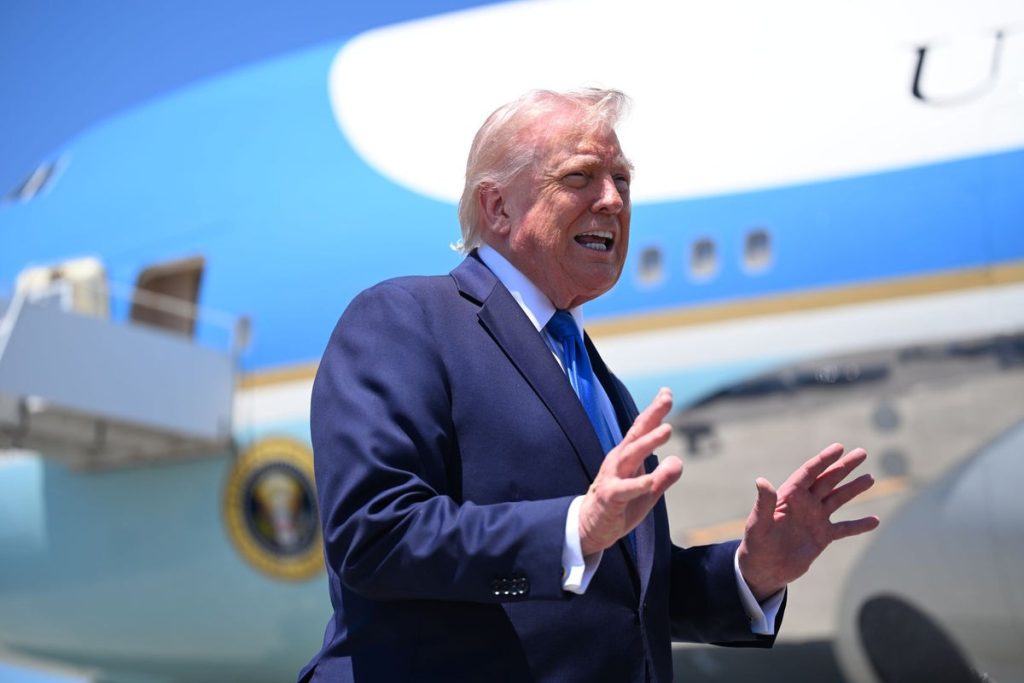
The geopolitical landscape of the Middle East shifted dramatically this week as U.S. President Donald Trump announced a sudden, temporary suspension of “Project Freedom,” a high-stakes naval initiative designed to escort commercial vessels through the volatile Strait of Hormuz. Launched with significant fanfare only 48 hours prior, the mission was intended to secure global energy supplies by guiding ships through one of the world’s most critical maritime chokepoints.
However, the rapid pivot highlights the fragile nature of the ongoing conflict between Washington and Tehran. With the President citing “great progress” in diplomatic channels, the world is left wondering if this pause represents a genuine breakthrough or merely a tactical retreat in a much larger, high-stakes game of brinkmanship.
The Rise and Sudden Pause of Project Freedom
When President Trump first unveiled Project Freedom, the administration’s stated goal was clear: to protect international commerce and ensure that non-aligned nations could safely navigate the Strait of Hormuz. The initiative was a direct response to the escalating maritime tensions that have gripped the region for months, effectively turning the Gulf into a flashpoint for global trade.
Despite the initial optimism from the White House, the project faced immediate skepticism from military analysts and shipping executives alike. The mission was viewed by many as a provocative move that could inadvertently trigger an all-out naval engagement. By pausing the operation after just two days, the Trump administration appears to be acknowledging the risks inherent in such a direct military intervention.
Why the Shift?
The official narrative from the White House points to “great progress” toward a potential deal. This suggests that behind-the-scenes negotiations, potentially involving third-party intermediaries, have gained traction. The pause serves as a diplomatic olive branch, intended to lower the temperature in the region and provide space for a negotiated settlement to take root.
Tehran’s Stance: A Skeptical Reception
While Washington projects confidence, the view from Tehran is distinctly more cynical. Iranian President Masoj Pezeshkian has been vocal in his criticism, characterizing the U.S. approach as a contradictory “policy of maximum pressure.” According to the Iranian leadership, the U.S. cannot realistically expect Tehran to submit to unilateral demands while simultaneously engaging in military posturing.
For Iran, the presence of U.S. naval assets near their coastline is a non-starter. The Iranian government maintains that the security of the Strait of Hormuz should be a regional concern, managed by coastal states rather than external powers. This fundamental disagreement remains the largest hurdle to any lasting ceasefire or diplomatic resolution.
Diplomatic Maneuvering in Beijing
Adding another layer of complexity to the situation, Iranian Foreign Minister Abbas Araghchi recently met with his Chinese counterpart, Wang Yi, in Beijing. While the official readout focused on “bilateral relations,” the timing of this meeting is significant. China, as a major consumer of energy passing through the Strait, has a vested interest in regional stability. Their involvement could act as a stabilizing force, or conversely, pull the conflict into a broader sphere of influence competition.
International Reactions and Moral Dimensions
The conflict has not been contained to military and economic spheres; it has also drawn in global moral leaders. Pope Leo XIV recently made headlines by rejecting President Trump’s claims regarding the Pope’s stance on Iran’s nuclear capabilities.
The Pope’s clarification—that the Church remains steadfast in its opposition to all nuclear weapons—adds a layer of moral pressure to the U.S.-Iran discourse. It serves as a reminder that the stakes of this conflict extend far beyond shipping lanes and oil prices; the potential for nuclear escalation remains the primary fear of the international community.
Humanitarian Concerns and Domestic Turmoil
While the world focuses on the Strait of Hormuz, the domestic situation in Iran remains precarious. Reports of a tragic fire at a shopping center near Tehran, which resulted in eight fatalities and dozens of injuries, highlight the internal pressures facing the Iranian government. Such incidents, while unrelated to the war, complicate the regime’s efforts to maintain public order and project strength during a time of intense international scrutiny.
Analyzing the Future of the Strait of Hormuz
The next two weeks are expected to be critical. With a temporary ceasefire in place and the naval escort mission on hold, the window for diplomacy is open. However, the history of the 2026 conflict suggests that this window could close as quickly as it opened.
Key Factors to Watch:
- Shipping Confidence: Will commercial insurers resume coverage for vessels passing through the Strait, or will they remain wary of the fragile peace?
- Negotiation Transparency: Can the U.S. and Iran move past the “maximum pressure” rhetoric to define a mutual security framework?
- Third-Party Influence: What role will China and other regional powers play in mediating the final terms?
If the current negotiations fail, the U.S. may be forced to restart Project Freedom or escalate military operations. The threat of a broader conflict remains, and the global economy continues to hold its breath.
Conclusion: A Delicate Balance
President Trump’s decision to pause Project Freedom is a calculated gamble. It replaces a show of force with a show of faith in diplomacy, a move that could either lead to a historic de-escalation or leave the U.S. looking indecisive. As the world watches the Strait of Hormuz, the message is clear: the path to peace is narrow, and the consequences of failure are too high to ignore.
The coming days will prove whether the progress cited by the White House is substantive or merely a brief reprieve in a long-standing struggle. For now, the global community waits to see if the guns will remain silent long enough for the diplomats to succeed.