The MV Hondius Hantavirus Crisis: Did a Bird-Watching Trip Spark a Global Health Scare?

The maritime world and public health officials are currently gripped by a developing situation involving the MV Hondius, a luxury cruise ship currently navigating the Atlantic following a deadly hantavirus outbreak. As of May 2026, the vessel has become a focal point of international concern, with health authorities racing to contain a virus that has already claimed three lives and left several others in critical condition.
Investigators are now focusing on a chilling hypothesis: the outbreak may have been ignited by a simple, recreational bird-watching excursion in Argentina. This article explores the timeline, the medical implications, and the global reaction to what is rapidly becoming one of the most high-profile infectious disease events of the year.
The Origins: A Landfill, Rodents, and a Fatal Encounter
According to Argentine officials speaking under the condition of anonymity, the government’s leading theory is that a Dutch couple, who were among the first to succumb to the illness, may have been exposed to the virus during a shore excursion in Ushuaia.
The Bird-Watching Hypothesis
The couple reportedly participated in a bird-watching tour that led them to a local landfill. Landfills are notorious hotspots for rodent populations, and hantavirus is primarily transmitted to humans through the inhalation of aerosolized particles from infected rodent urine, droppings, or saliva.
Incubation Window: Hantavirus typically has an incubation period ranging from one to eight weeks.
The Chain of Transmission: Investigators believe the couple contracted the pathogen in Argentina, unknowingly carrying it onto the MV Hondius before symptoms manifested.
Human-to-Human Risk: While rare, the detection of the Andes strain of the virus—which is capable of human-to-human transmission—has heightened the level of alarm among global health bodies.
Escalating Case Numbers: The Current State of the MV Hondius
As of the latest updates from the World Health Organization (WHO), there are eight suspected cases of hantavirus linked to the cruise ship. Of these, five have been confirmed through laboratory testing.
Medical Evacuations and Hospital Preparedness
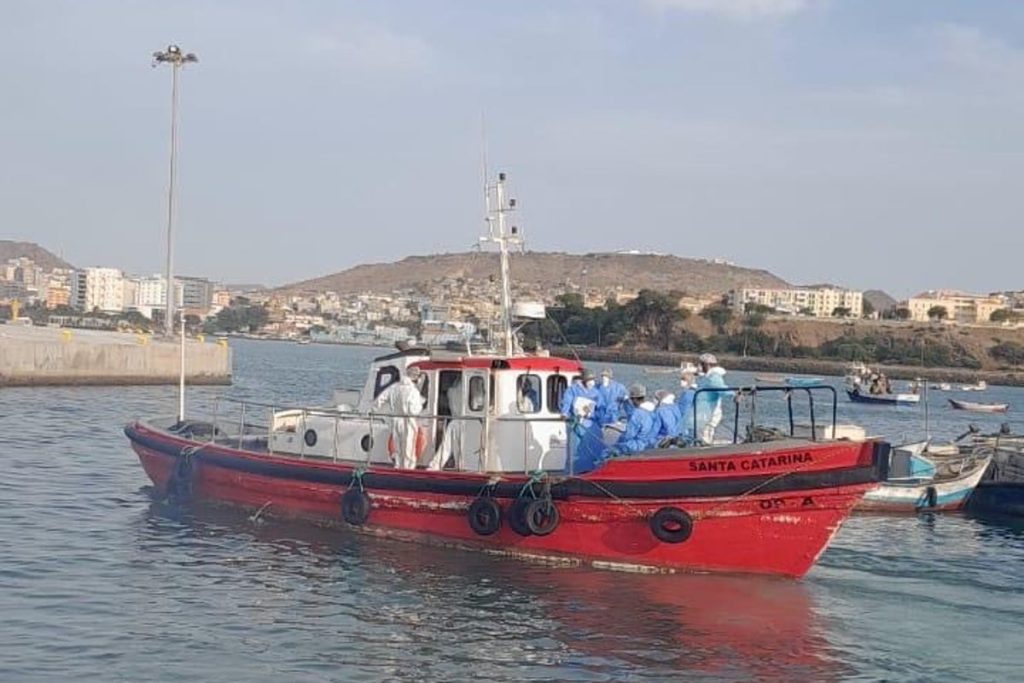
The situation reached a critical inflection point on Wednesday, when three patients were medically evacuated from the ship. These individuals are being transferred to specialized facilities in the Netherlands, where hospitals like the Leiden University Medical Hospital (LUMC) have prepared high-isolation units to manage the patients safely.
Serious Condition: Two of the three evacuated patients are reported to be in serious condition.
Supportive Care: Medical experts reiterate that there is no specific “cure” for hantavirus. Treatment is largely supportive, focusing on intensive care to assist with respiratory failure—the primary complication of Hantavirus Pulmonary Syndrome (HPS).
Global Coordination: The Foreign Office and the UK Health Security Agency are working in concert with Dutch and Spanish authorities to ensure the safe repatriation of British nationals on board.
Geopolitical Friction: The Canary Islands Docking Debate
As the MV Hondius makes its way toward the Canary Islands, the vessel has found itself at the center of a diplomatic and public health standoff.
The “Why Us?” Sentiment
The regional president of the Canary Islands, Fernando Clavijo, has formally blocked the ship from docking in Tenerife. Clavijo cited a lack of “sufficient information” and technical criteria to guarantee the safety of the local population.
This refusal has sparked significant tension. Locals in Tenerife have expressed fears that the arrival of the ship might mirror the anxiety and restrictions of the 2020 pandemic era. Despite the regional opposition, the ship’s operator, Oceanwide Expeditions, maintains that the vessel is headed for the Canary Islands, creating a standoff between local governance and international maritime obligations.
The Clinical Reality: Understanding Hantavirus
For those unfamiliar with the pathogen, hantavirus is a severe viral disease. While often associated with rural exposure, this cruise ship incident highlights how global travel can bridge the gap between isolated wildlife habitats and densely populated tourist vessels.
Symptoms to Watch
The early symptoms of hantavirus are notoriously non-specific, often mimicking the flu. This makes early detection difficult, especially in a cruise ship environment:
- Initial Flu-like symptoms: Fever, muscle aches, fatigue, and headaches.
- Respiratory Distress: As the disease progresses, it can lead to coughing and shortness of breath as the lungs fill with fluid.
- Severity: Hantavirus Pulmonary Syndrome (HPS) carries a high case-fatality rate, sometimes reaching 40% if not managed in an intensive care environment.
Life On Board: A Waiting Game
While the world watches, the atmosphere on the MV Hondius remains a mix of anxiety and forced normalcy. Passengers have reported that they are isolating in their cabins, waiting for authorities to finalize a safe port of call.
Resilience Under Pressure
Despite the grim headlines, passengers like Qasem Elhato have described the morale as “relatively good.” Through messaging apps, those on board have shared accounts of receiving fresh supplies and maintaining communication with the outside world. However, the psychological toll of being on a “virus-hit” ship, especially after the loss of fellow passengers, remains an under-discussed aspect of this emergency.
The Wider Impact: Tourism and Biosecurity
The incident has raised uncomfortable questions about the surge in Antarctic and expedition-style tourism. As more travelers venture into remote, pristine environments, the risk of accidental exposure to local zoonotic diseases increases.
Lessons for the Future
Industry experts are calling for a reassessment of biosecurity protocols for expedition cruises. While the MV Hondius has been described as clean and well-maintained by some passengers, the “bird-watching” incident underscores that biosecurity must extend beyond the ship’s bulkhead and into the shore excursions themselves.
Enhanced Screening: Potential for pre-embarkation health screenings specifically targeting zoonotic risks.
Stricter Excursion Guidelines: Better education for tourists regarding wildlife interaction and site-specific environmental hazards.
Conclusion: A Developing Story
The situation surrounding the MV Hondius is far from resolved. As the ship approaches the Canary Islands, the world waits to see if a compromise can be reached that balances humanitarian duty with public safety.
With the WHO monitoring the situation closely and international agencies coordinating medical care, the focus remains on preventing further transmission and ensuring those currently ill receive the best possible treatment. This event serves as a stark reminder of the interconnectedness of our world and the unpredictable nature of viral outbreaks in the 21st century.