The Rise and Rapid Pause of ‘Project Freedom’: Why Did the Strait of Hormuz Mission Stall?

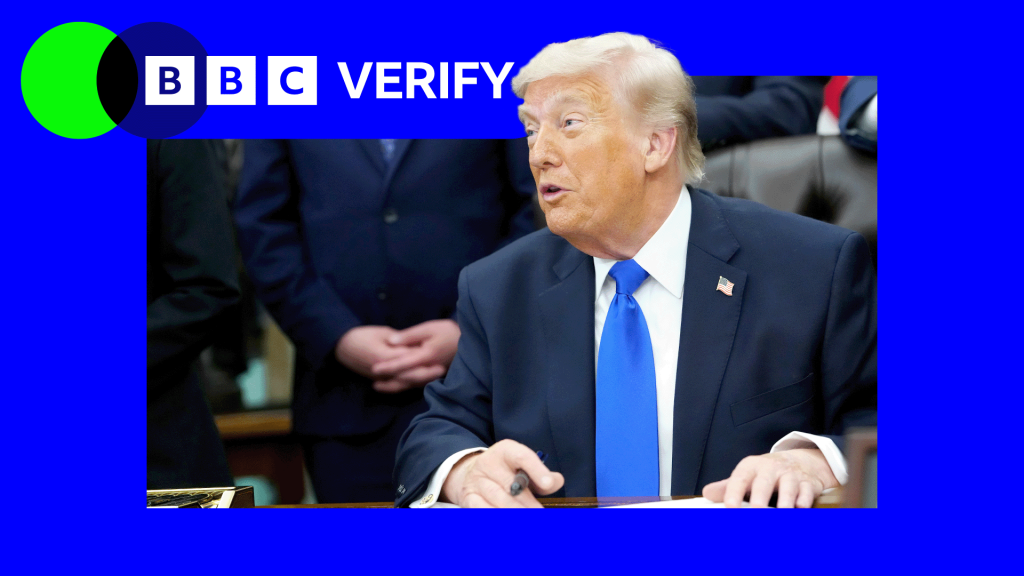
The geopolitical landscape of the Middle East shifted dramatically this week when the United States launched, and just 50 hours later, paused, a high-stakes military operation known as “Project Freedom.” Designed to escort merchant vessels through the bottleneck of the Strait of Hormuz, the mission was intended to safeguard the 20% of the world’s oil and gas supply that flows through this critical maritime chokepoint.
The sudden halt of the operation, announced by President Donald Trump on Truth Social, has left global markets, military analysts, and shipping insurers searching for answers. Was this a strategic diplomatic pivot, or a sign of an operation that failed to gain the necessary operational traction?
The Genesis of ‘Project Freedom’
On Sunday, President Trump unveiled “Project Freedom,” a humanitarian and strategic gesture aimed at neutralizing the effective blockade Iran had established in the Strait. With approximately 1,000 vessels and 20,000 seafarers stranded in the region, the President framed the mission as a necessary act to keep global commerce flowing.
The operation was ambitious in scope. By Monday, U.S. Central Command (Centcom) had mobilized guided-missile destroyers, over 100 aircraft, and 15,000 personnel. The objective was clear: restore the freedom of navigation that had been effectively severed since the onset of the US-Israel war with Iran.
A Timeline of the 50-Hour Mission
Sunday: President Trump announces “Project Freedom” via Truth Social, citing a need to safely guide ships out of restricted waters.
Monday: Centcom confirms the deployment of naval assets. Two US-flagged vessels successfully transit the strait. Reports emerge of skirmishes involving Iranian “fast boats.”
Tuesday Morning: Secretary of Defense Pete Hegseth and Chairman of the Joint Chiefs General Dan Caine praise the mission’s success and “laser-focused strategy.”
Tuesday Evening: President Trump officially pauses the project, citing “great progress” in negotiations with Iran.
The Pentagon’s Public Stance vs. Reality
For a brief window on Tuesday, the Pentagon projected an image of absolute confidence. Secretary of Defense Pete Hegseth stated that the U.S. was “leading with strength, clarity, and purpose.” This rhetoric was intended to reassure the international shipping community that the Strait of Hormuz was once again a viable route for global trade.
However, the reality on the water told a different story. Shipping insurers and maritime associations remained skeptical. Many industry experts noted that the presence of U.S. warships did not provide the “sufficient clarity or credible protection” required to justify the massive insurance premiums associated with transiting a war zone.
Why the Sudden Pivot?
The decision to pause the project came less than 24 hours after the Pentagon’s display of strength. President Trump’s announcement suggested a “mutual agreement” had been reached, pointing toward a potential diplomatic breakthrough with Tehran.
The Diplomatic Variable
The most cited reason for the pause is the prospect of a high-level agreement. If the U.S. and Iran are indeed in the final stages of a peace deal, maintaining an active escort mission might be viewed as a provocation that could derail the negotiations. By pausing the operation, the White House is signaling to the international community that they are willing to prioritize long-term stability over short-term military posturing.
Security Concerns on the Ground
Critics of the administration point to the escalating violence during the 50-hour window as a potential factor for the pause. Reports of a fire at the port of Fujairah, damage to a South Korean vessel, and an attack on a French CMA CGM ship highlighted the extreme risks involved. Despite U.S. efforts, the Strait remained a highly volatile environment where military escorts could not guarantee total safety.
The Economic Impact of the Standoff
The Strait of Hormuz is the world’s most important oil chokepoint. Even a temporary disruption in transit volumes creates ripples that reach gas pumps across the United States and Europe. The price of Brent crude spiked on the initial announcement of the blockade and remained volatile throughout the duration of “Project Freedom.”
Investors are now caught in a “wait and see” pattern. The pause has effectively created a vacuum of information. While the administration claims progress is being made, the global shipping industry is struggling to plan for the coming weeks. Will the mission resume, or will it be replaced by a more permanent diplomatic framework?
Analysis: A Strategic Retreat or a Tactical Pause?
From a geopolitical perspective, “Project Freedom” serves as a case study in the difficulties of projecting naval power in an era of asymmetric warfare. While the U.S. Navy remains the most capable force in the world, the use of drones, fast-attack craft, and coastal missile batteries by Iranian forces makes traditional naval escort missions increasingly dangerous and costly.
The pause is likely a calculated gamble. By suspending the mission, Trump has stripped Iran of the ability to label the U.S. presence as an act of “war” or “aggression,” potentially smoothing the path for the aforementioned deal. However, if the negotiations fail, the U.S. may find itself in a position where it must either reinstate the mission with greater force or accept a reality where the Strait of Hormuz remains contested.
The Road Ahead: What to Watch
As we look toward the next few days, the focus will remain on the diplomatic channels between Washington and Tehran. Key indicators of success will include:
- De-escalation: A reduction in reported attacks on merchant vessels.
- Diplomatic Disclosure: Concrete details regarding the rumored agreement.
- Shipping Traffic: Whether commercial vessels begin to resume transit without the need for military escorts.
The 50-hour lifespan of “Project Freedom” reminds us that in 2026, foreign policy is often conducted at the speed of social media. While the military component is on hold, the diplomatic clock is ticking faster than ever. The world is watching to see if this pause leads to a lasting peace or merely a return to the status quo of regional instability.
Conclusion
“Project Freedom” was intended to be a show of American resolve, but its rapid pause highlights the complexities of modern maritime security. Whether viewed as a diplomatic necessity or a failed tactical endeavor, the episode underscores the precarious nature of global trade in the Strait of Hormuz. As negotiations continue, the international community remains hopeful that the current pause will yield a more stable and secure future for global shipping.