Crisis at Sea: The 2026 MV Hondius Hantavirus Outbreak Explained

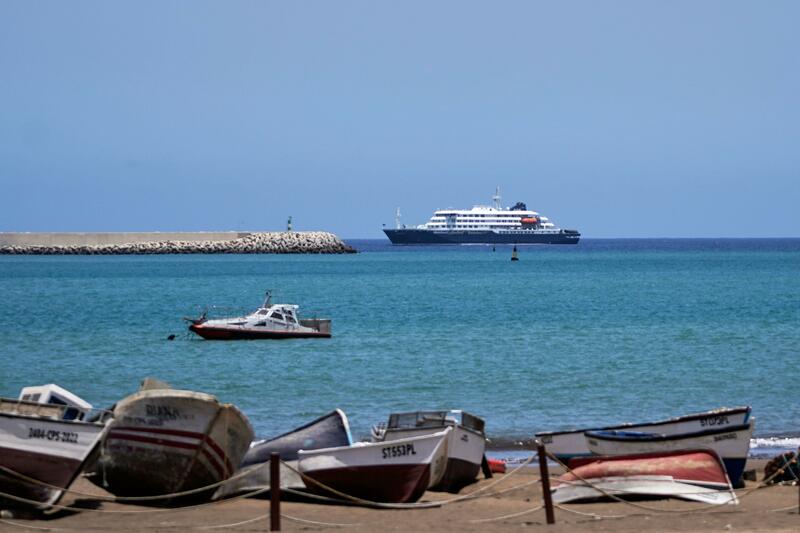
The global travel community is on high alert as a harrowing medical emergency unfolds in the Atlantic Ocean. The MV Hondius, a polar expedition cruise vessel, has become the center of a major international health response following a suspected hantavirus outbreak that has left three passengers dead and several others in critical condition. With 149 people currently on board, the situation has mobilized the World Health Organization (WHO), Dutch health authorities, and maritime safety experts in a desperate race against time.
A Timeline of the MV Hondius Medical Emergency
The crisis began quietly in early April 2026, during a routine expedition voyage. What initially appeared to be isolated health issues quickly escalated into a multi-national medical tragedy.
On April 11, a passenger passed away on board, though the cause of death was initially inconclusive. By late April, the situation worsened when a Dutch national, who had disembarked in St. Helena, died shortly after. Subsequent laboratory testing confirmed that she was carrying a variant of the hantavirus, a rare but dangerous rodent-borne pathogen. On May 2, a German passenger also lost their life, bringing the total death toll to three.
As of May 2026, the vessel remains anchored off the coast of Cape Verde. The mood on board is reportedly “composed,” yet the medical stakes for those remaining are incredibly high.
Understanding Hantavirus: The Hidden Threat
Hantavirus is not typically associated with cruise travel, making this cluster particularly alarming to health officials. Unlike common respiratory viruses that spread through air droplets, hantaviruses are primarily transmitted to humans through contact with the urine, feces, or saliva of infected rodents.
How the Virus Affects the Body
When humans inhale aerosolized particles from contaminated environments, the virus can lead to Hantavirus Pulmonary Syndrome (HPS). Symptoms typically progress rapidly:
Early signs: Fever, muscle aches, and fatigue.
Severe progression: Fluid buildup in the lungs, leading to acute respiratory distress.
- Critical status: The body struggles to oxygenate the blood, which is currently the primary concern for the passengers and crew members receiving intensive care in South Africa and those still awaiting evacuation.
The rarity of this virus in a maritime setting suggests a breach in standard pest control and sanitation protocols, prompting a global review of how expedition vessels manage onboard hygiene in remote environments.
The International Response and Medical Evacuation
The logistics of managing a contagion on a vessel in the middle of the Atlantic are staggering. Oceanwide Expeditions, the operator of the MV Hondius, has been working in tandem with the WHO and Dutch health services to facilitate the medical evacuation of symptomatic individuals.
Current Status of Those On Board
As of the most recent reports, two crew members—one British and one Dutch—require urgent medical intervention. They present with acute respiratory symptoms, necessitating specialized care that cannot be provided at sea. Plans are currently underway to deploy two specialized aircraft to transport these individuals to a facility capable of managing high-risk infectious diseases.
The vessel is currently weighing options for its next port of call. While Cape Verde remains the current anchor point, there is active consideration of sailing toward the Canary Islands—specifically Las Palmas or Tenerife. This move would allow for comprehensive medical screening and systematic handling of the remaining 149 passengers under the strict supervision of international health agencies.
Safety and Containment Measures
In response to the tragedy, Oceanwide Expeditions has implemented stringent health and safety protocols. These measures are designed to prevent further transmission while the vessel remains in limbo:
- Isolation Protocols: Infected or symptomatic individuals have been moved to designated isolation areas to minimize contact with the remaining crew and guests.
- Environmental Cleaning: Deep sanitation of the vessel’s interior, particularly in ventilation and storage areas, is being conducted to eliminate potential rodent-borne vectors.
- Medical Monitoring: All 149 individuals on board are undergoing daily health screenings to identify any early signs of respiratory distress.
The Global Impact on Cruise Travel
This incident serves as a sobering reminder of the logistical vulnerabilities inherent in long-haul expedition cruising. With passengers from over 23 nations—including citizens from Ireland, the UK, the United States, and beyond—this crisis has effectively become a diplomatic and public health challenge.
The involvement of the World Health Organization underscores the gravity of the situation. As laboratory tests continue to analyze the specific strain of the virus involved, the cruise industry is expected to face renewed scrutiny regarding their biosecurity and pest management standards. For travelers, the incident highlights the importance of choosing operators with robust medical facilities and established emergency evacuation protocols.
Conclusion: A Waiting Game
As the MV Hondius waits off the coast of West Africa, the world watches with bated breath. The priority remains the safety of the two crew members in urgent need of care and the successful, safe disembarkation of all passengers. While the cause of the initial transmission remains under investigation, the rapid, coordinated response from international health authorities has been vital in preventing a further loss of life.
For the families of those affected, this remains a devastating event. As the medical teams prepare for the upcoming evacuations, the focus shifts to ensuring that the remaining passengers receive the screening and support they need to return home safely.