Crisis at Sea: British Crew Member Fights for Life in 2026 Hantavirus Outbreak Aboard MV Hondius

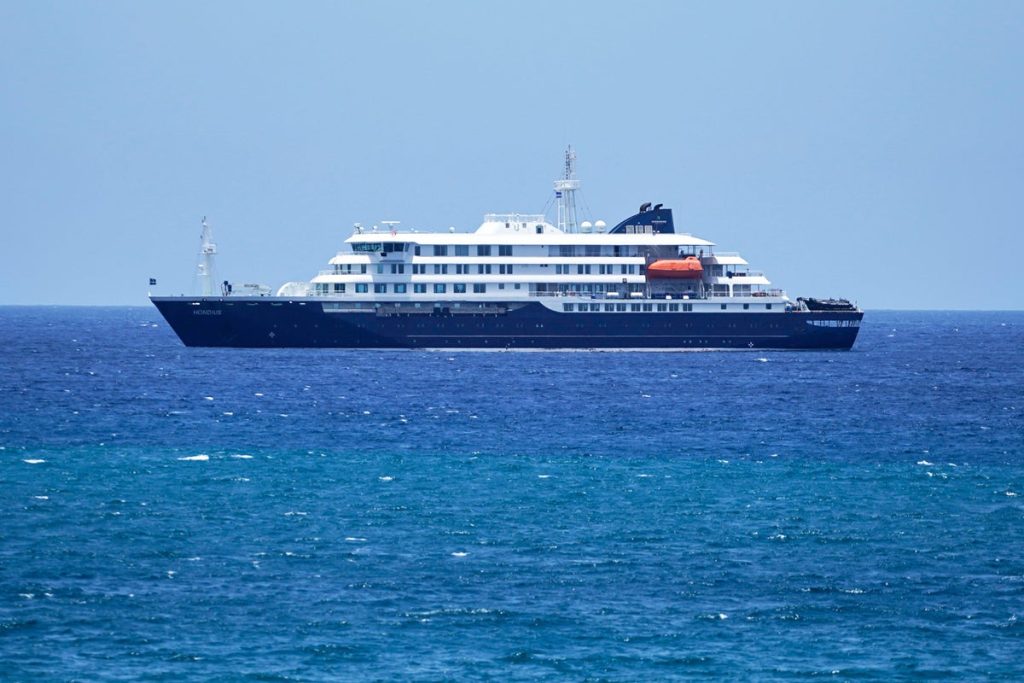
The luxury and serenity of a high-end polar expedition have been replaced by a desperate medical emergency in the middle of the Atlantic. As of May 2026, a British crew member is in “urgent” need of medical care, and a British passenger remains in a life-threatening condition following a suspected hantavirus outbreak aboard the MV Hondius.
With three fatalities already confirmed and the vessel currently held off the coast of West Africa, the international community is watching closely. This developing situation has sparked a multi-country response involving the World Health Organization (WHO), the UK Foreign Office, and health authorities across three continents.
The Voyage of the MV Hondius: From Adventure to Isolation
The MV Hondius, a Dutch-flagged vessel known as the world’s first-registered Polar Class 6 ship, began its ambitious journey on April 1, 2026. The expedition departed from Ushuaia, Argentina, intended to be a remote voyage across the Atlantic to Cape Verde.
What was meant to be a 19-day exploration of remote islands and wildlife has instead become a floating quarantine. The ship, carrying 149 people from 23 different nationalities, including 19 British passengers and four British crew members, is currently anchored off the port of Praia, Cape Verde. However, local authorities have refused to allow anyone to disembark, citing the high risk of viral transmission.
British Nationals at the Center of the Crisis
The impact on UK citizens has been particularly severe. According to the latest updates from Oceanwide Expeditions, the ship’s operator, the situation regarding British personnel is as follows:
A British Crew Member: Currently showing “acute respiratory symptoms” and is classified as needing urgent medical intervention.
A 69-year-old British Passenger: Already medically evacuated to Johannesburg, South Africa, where he remains in critical but stable condition in an intensive care unit (ICU). He is one of only two cases officially confirmed through laboratory testing.
Consular Support: The British Foreign Office has activated teams in the UK, South Africa, Spain, and Portugal to support the families of those trapped on board.
A Timeline of Tragedy: Three Lives Lost
The outbreak has already claimed three lives, sending shockwaves through the maritime community. The progression of the illness suggests a highly aggressive strain:
- Case 1: An adult Dutch male developed a fever and gastrointestinal issues on April 6. His condition plummeted rapidly, and he died on board on April 11.
- Case 2: The 69-year-old wife of the first victim. She disembarked at St. Helena to handle her husband’s remains but fell ill shortly after. She collapsed at a Johannesburg airport while attempting to fly home and died on April 26.
- Case 3: A German national who succumbed to the virus over the weekend of May 2-3, 2026.
These deaths have prompted the ship’s operator to enforce strict cabin isolation for all remaining passengers to prevent further spread.
Understanding Hantavirus: Symptoms and Transmission
Hantaviruses are a group of viruses typically carried by rodents. While humans usually contract the virus through contact with infected rodent urine, droppings, or saliva, this specific outbreak has raised questions about human-to-human transmission.
Key Symptoms to Watch For
The symptoms of hantavirus are often mistaken for the flu in the early stages, which makes early diagnosis difficult.
Hantavirus Pulmonary Syndrome (HPS): Leads to severe respiratory distress. Symptoms include fatigue, fever, and muscle aches, followed by the lungs filling with fluid.
- Hemorrhagic Fever with Renal Syndrome (HFRS): Primarily affects the kidneys, causing intense headaches, abdominal pain, and blurred vision.
Dr. Maria van Kerkhove of the WHO has stated that the current working hypothesis involves a mixture of transmission types. “There was likely exposure to rodents on various islands during wildlife excursions, but because some cases are close contacts sharing cabins, we must assume limited human-to-human transmission is occurring,” she explained.
Life Under Quarantine: The Passenger Experience
For those trapped on the MV Hondius, the uncertainty is the most grueling part. Passengers have been instructed to stay in their cabins, with meals delivered to their doors.
American travel blogger Jake Rosmarin, who has been documenting the ordeal for his 44,000 followers, shared a poignant update from his cabin. “We’re not just a story, we’re not just headlines. We’re people… with families waiting for us at home,” Rosmarin said in a tearful video.
The psychological toll of being confined in a small space while knowing a deadly virus is circulating the corridors is immense. The ship is currently a “ghost vessel” of sorts, stationary in the heat of the Atlantic.
International Response and the Road Ahead
The World Health Organization has urged calm, stating that the risk to the wider public remains low. Dr. Hans Henri P. Kluge, the WHO regional director for Europe, emphasized that there is “no need for panic or travel restrictions” for the general population.
The Plan for Disembarkation
The MV Hondius is currently facing a 900-mile journey to the Canary Islands (Las Palmas or Tenerife). Spanish authorities are being consulted to allow the ship to dock for a “proper risk assessment” and medical screening.
Meanwhile, the Dutch government is coordinating a specialized medical evacuation for the symptomatic crew members—including the Briton in urgent need—using aircraft equipped with high-level biocontainment facilities.
Expert Analysis: Why on a Cruise Ship?
Experts suggest that while cruise ships are often associated with norovirus, hantavirus is an anomaly. Prof. Paul Hunter of the University of East Anglia noted that the remote nature of polar expedition cruises often brings travelers into contact with untouched ecosystems where rodent-borne diseases may thrive.
“The incubation period can be up to eight weeks,” Hunter warned. “This means we may see more cases emerge even after the ship finally docks and passengers are sent home.”
Conclusion: A Test of Maritime Health Protocols
The 2026 hantavirus outbreak on the MV Hondius serves as a stark reminder of the vulnerabilities inherent in long-distance maritime travel. As the British crew member and other passengers fight for their lives, the focus remains on safe evacuation and containment.
For now, the world waits as the MV Hondius begins its slow trek toward the Canary Islands, hoping that the “strict precautionary measures” on board are enough to halt the progress of this deadly pathogen.