British Crew Member in Urgent Need of Care as Hantavirus Outbreak Grips Atlantic Cruise Ship

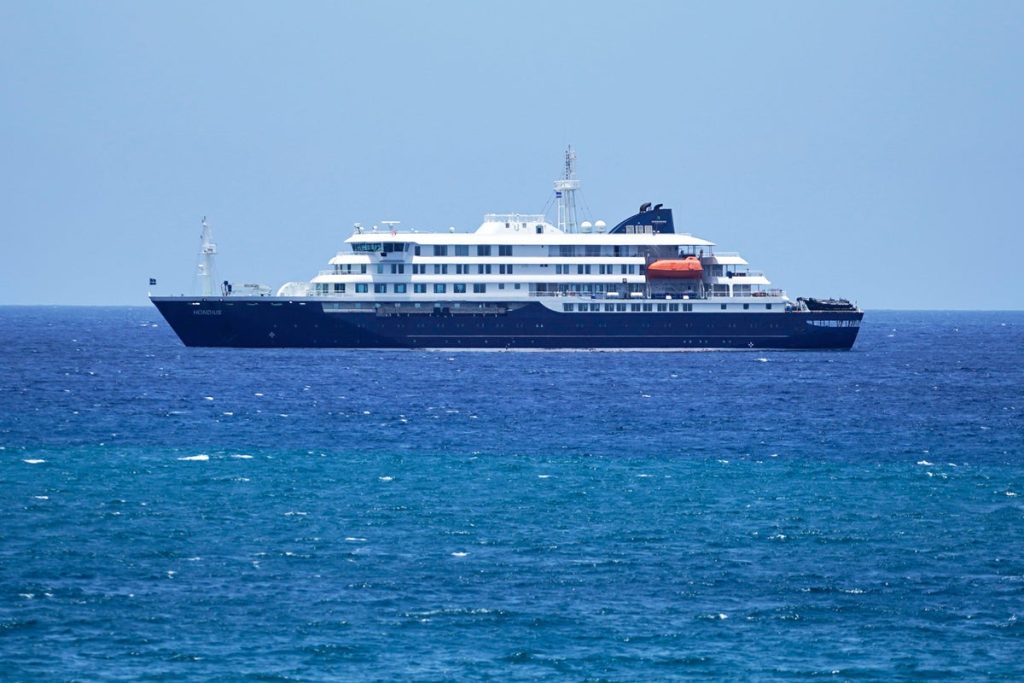
The luxury of expedition cruising has turned into a high-stakes medical emergency in the middle of the Atlantic Ocean. As of early May 2026, a British crew member is currently in desperate need of “urgent” medical intervention, while a fellow British passenger remains in critical condition following a suspected hantavirus outbreak aboard the MV Hondius.
The situation, which has already claimed three lives, has sent shockwaves through the travel industry and prompted a massive international coordination effort involving the UK, South Africa, and the Netherlands. With the ship currently navigating the waters near Cape Verde, the race against time to provide life-saving care to those on board has become a focal point of global health monitoring.
A Developing Crisis: The British Connection
The tour operator, Oceanwide Expeditions, confirmed the gravity of the situation in a series of updates this week. Among the most concerning developments is the deteriorating health of a British staff member. According to official statements, this individual is exhibiting acute respiratory symptoms classified as severe.
While one other staff member—a Dutch national—is also showing symptoms, their condition is currently described as mild. However, for the British crew member, the need for specialized hospital care is immediate. This follows the earlier medical evacuation of a British passenger who was airlifted to South Africa on April 27. That passenger is currently fighting for their life in an intensive care unit (ICU) in Johannesburg, where their condition is described as “critical but stable.”
Timeline of the MV Hondius Outbreak
To understand the scale of this tragedy, one must look at the timeline of the MV Hondius’s voyage, which began with high hopes on April 1, 2026, departing from Argentina.
April 1: The MV Hondius sets sail from Argentina, heading toward Cape Verde.
April 11: The first tragedy occurs. A Dutch passenger dies on board. At the time, the cause of death is indeterminate.
April 24: The deceased passenger’s body is disembarked at St Helena. His wife leaves the ship to accompany his repatriation.
Late April: During the journey home, the wife becomes severely ill and passes away. Subsequent tests confirm she was positive for a variant of hantavirus.
April 27: A British passenger and a Dutch woman are medically evacuated. The Dutch woman tragically passes away shortly after.
May 2: A German passenger dies on board the ship. The cause of death is still being investigated, but symptoms align with the previous cases.
The rapid progression of the illness among both passengers and crew has led to “strict precautionary measures” being implemented on the vessel, including total isolation of symptomatic individuals and enhanced hygiene protocols.
What is Hantavirus? Understanding the Threat
Hantaviruses are a family of viruses spread mainly by rodents. While rare in the context of maritime travel, the virus can cause a variety of disease syndromes in people.
Transmission and Risk Factors
Most commonly, humans become infected through contact with infected rodents’ urine, droppings, or saliva. The virus can become “aerosolized,” meaning it can be breathed in when dried waste is stirred up.
In the case of the MV Hondius, investigators are looking into how the virus entered the ship’s environment. While person-to-person transmission is extremely rare, the World Health Organization (WHO) has noted that certain strains can occasionally spread between humans, making the current cluster particularly concerning for health officials.
Symptoms to Watch For
The primary concern with hantavirus is Hantavirus Pulmonary Syndrome (HPS). Early symptoms include:
Fatigue and fever.
Muscle aches (especially in the thighs, hips, and back).
Headaches and dizziness.
Chills and abdominal problems.
As the disease progresses (usually 4 to 10 days after the initial phase), the “late symptoms” appear, which include coughing and shortness of breath as the lungs fill with fluid. This stage is what the British crew member is currently battling, requiring “urgent” respiratory support.
The International Rescue Mission
The logistical challenge of evacuating sick individuals from a ship in the Atlantic cannot be overstated. The Dutch authorities are currently spearheading a medical evacuation plan for the two symptomatic crew members and an additional individual associated with the deceased German passenger.
This operation involves two specialized aircraft equipped with state-of-the-art medical suites and staffed by elite medical teams. The plan is to transport the patients to high-level care facilities, though the final destination—whether in the Canary Islands (Las Palmas or Tenerife) or mainland Europe—remains subject to change based on the patients’ stability.
The UK Government Response
A spokesperson for the Foreign, Commonwealth and Development Office (FCDO) stated that consular teams have been “stood up” across multiple regions, including South Africa, Spain, Portugal, and the UK.
“This is a deeply worrying time for all those on board the MV Hondius and the families of those affected,” the spokesperson said. The FCDO is reportedly working “around the clock” to ensure the British nationals involved receive the best possible care and that their families are kept informed during this harrowing ordeal.
Impact on the Cruise Industry and Public Safety
Despite the severity of the situation on the MV Hondius, the WHO Regional Director for Europe, Hans Henri P. Kluge, has urged calm. He emphasized that the risk to the wider public remains low and that there is currently “no need for panic or travel restrictions.”
However, for the cruise industry, this incident highlights the ongoing challenges of managing infectious diseases in confined environments. In 2026, as expedition cruises to remote areas like the Atlantic islands and Antarctica grow in popularity, the industry must reckon with the potential for rare zoonotic diseases to disrupt even the most modern vessels.
Precautionary Measures on Board
Oceanwide Expeditions has confirmed that:
- Isolation: All symptomatic individuals are in strict isolation.
- Monitoring: Constant medical monitoring of all 147 passengers and crew.
- Sanitization: Increased frequency of deep-cleaning protocols.
- No Disembarkation: Except for those being medically evacuated, no one will be allowed to disembark in Cape Verde to prevent any potential spread to the local population.
Analysis: Why Hantavirus on a Cruise Ship?
Experts are puzzled by the presence of hantavirus on a Dutch-flagged vessel like the MV Hondius. Typically, hantavirus is associated with rural areas or storage facilities where rodents thrive.
The investigation is likely to focus on provisioning. It is possible that contaminated supplies were brought on board at a previous port, or that rodents gained access to the ship’s storage areas during its time in South America. The fact that multiple nationalities are affected suggests a common source of exposure rather than a single point of contact.
Conclusion: A Waiting Game
As the MV Hondius continues its uncertain path toward the Canary Islands, the thoughts of the international community remain with the British crew member and the families of those who have already lost their lives.
The coming days will be critical. The success of the airborne medical evacuation and the ability of the ICU team in Johannesburg to stabilize the British passenger will determine the final toll of this rare and frightening outbreak. For now, the “urgent” care required by the crew member remains the top priority for the specialized medical teams currently descending on the Atlantic.
Stay tuned for further updates as this story develops.