Reflections or Rejection? The Belfast Grand Central Station Sculpture Controversy

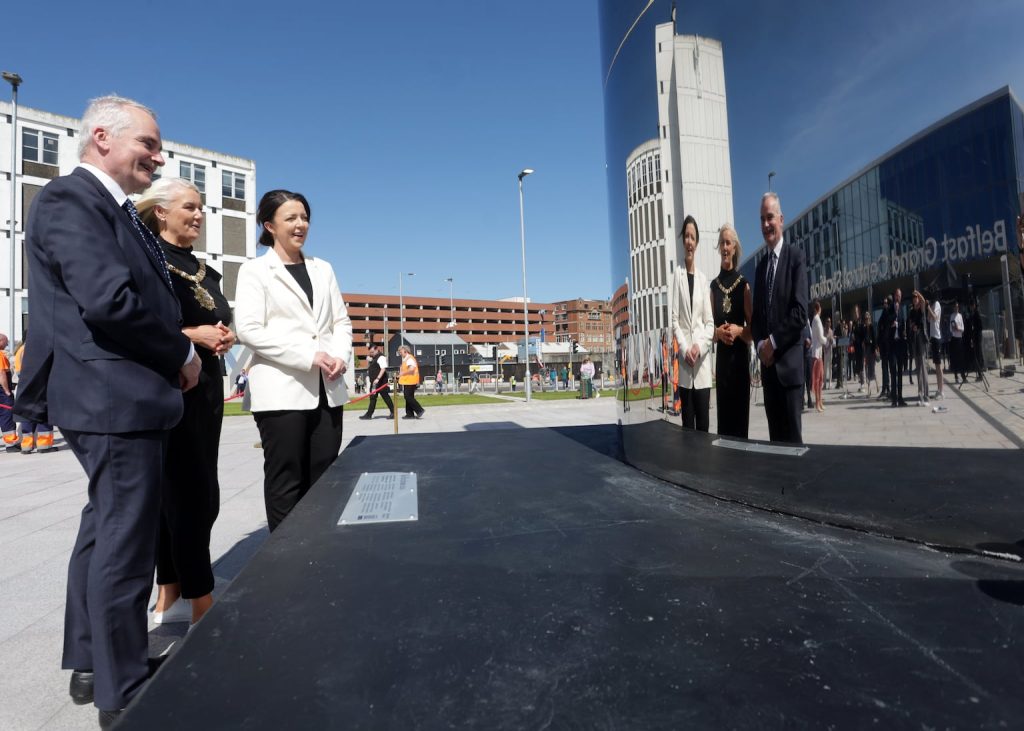
As Belfast’s £340m Grand Central Station cements its position as a cornerstone of Northern Ireland’s transport infrastructure in 2026, the public square outside—Saltwater Square—has become a flashpoint for local tension. At the heart of the debate is Reflections, a nine-metre-high sculpture by artist Kevin Killen, which was intended to be a symbol of urban renewal. However, for the residents of Sandy Row, this towering installation is far from a triumph; many view it as a painful reminder of lost heritage rather than a celebration of the future.
The Story Behind the Sculpture: Kintsugi and Controversy
The design philosophy behind Reflections draws upon the Japanese principle of Kintsugi—the art of repairing broken pottery with gold to highlight its history rather than hide its damage. By incorporating reclaimed steel from the historic 1936 Boyne Bridge, the sculpture aims to represent Belfast’s resilience.
However, the application of this metaphor has sparked significant pushback. While the Golden Thread Gallery and the Department for Infrastructure (DfI) argue that the piece speaks to the city’s ability to mend and evolve, the Blackstaff Residents Association has a different perspective. For them, the bridge was not merely “broken pottery” to be repurposed; it was a functioning piece of local identity that was unnecessarily dismantled.
Sandy Row’s Fight for Heritage
The demolition of the Boyne Bridge in 2025 was a contentious event that saw sustained opposition from the local community. Residents cited the bridge’s historical significance and the potential economic disruption to Sandy Row businesses as primary reasons to preserve the structure.
Billy Dickson, chair of the Blackstaff Residents Association, has been vocal in his criticism of the project. He argues that the sculpture is a “poor substitute” for the tangible loss of a landmark. According to Dickson, the narrative of “community engagement” touted by Translink and government officials feels hollow to those who lived through the bridge’s removal.
“The sculpture is a missed opportunity,” Dickson noted. “After the battle to preserve the bridge was lost, we believe the remaining steelwork could have been used to create a more substantial, meaningful feature—perhaps a historical monument that truly honored the area’s past.”
Symbolism: A Mirror Facing the Wrong Way?
One of the most debated features of the Reflections sculpture is its mirrored surface facing the station. While intended to reflect the modern, fast-paced nature of the new transport hub, critics see a darker, more cynical meaning.
For many Sandy Row residents, the sculpture acts as a metaphor for Translink “turning their backs” on the community. The feeling of being ignored during the planning phases remains a sore point. While the sculpture is undoubtedly a feat of engineering, its placement and design serve to remind the locals of what they failed to save, rather than what they gained through the station’s development.
A Mixed Bag of Compromise
Despite the intense criticism, the residents’ group has acknowledged some minor victories in the ongoing negotiations with planners.
Boyne Bridge Place: A section of Durham Street has been officially renamed to preserve the name of the demolished structure.
Reclaimed Lighting: Some of the original lampposts from the bridge have been salvaged and integrated into the design of Saltwater Square, providing a small, tangible link to the past.
These gestures, while appreciated, are viewed by the community as insufficient. The residents maintain that the majority of the bridge’s steel—which could have been used for more significant public works—was unfortunately sold for scrap, a decision that feels like a final indignity to the area’s heritage.
Looking Forward: The Need for True Collaboration
As 2026 progresses, the debate over Reflections highlights a recurring issue in modern urban planning: the disconnect between large-scale infrastructure projects and the communities they are meant to serve.
For the Blackstaff Residents Association, the path forward is clear. They are calling for a shift away from “token engagement” toward a model of genuine collaboration. This includes:
- Direct Consultation: Future developments in the area must involve residents in the design process from the conceptual stage, not just the unveiling stage.
- Heritage Preservation: A more rigorous assessment of the value of existing structures before demolition begins.
- Meaningful Signage: Ensuring that historical markers are not just aesthetic, but educational and respectful of the local narrative.
The sculpture now stands as a permanent fixture of Saltwater Square. Whether it will eventually be embraced by the community or remain a symbol of division depends largely on how Translink and the Department for Infrastructure handle future interactions with the people of Sandy Row.
Conclusion
The controversy surrounding the Grand Central Station sculpture is more than just a debate over art; it is a battle over the soul of a neighborhood. While the Kintsugi concept of creating beauty from brokenness is poetic, it requires the consent and cooperation of those who feel the “break” the most. As Belfast continues to transform, the lesson for city planners is clear: infrastructure is not just about concrete and steel—it is about the people who live in the shadow of these new developments.