Taxpayer-Funded Perks: Why the Former Governors General Expense Program is Under Fire in 2026

In the landscape of Canadian federal politics, few topics trigger as much public scrutiny as the management of public funds. As of May 2026, a spotlight has once again turned toward the long-standing, secretive expense program for former governors general. With new reports confirming that these former representatives of the Crown billed the government $554,000 in the 2024-25 fiscal year, the conversation surrounding accountability, transparency, and the necessity of these lifetime benefits has reached a boiling point.
Prime Minister Mark Carney, having recently taken the helm, is now facing mounting pressure to modernize a program that has remained largely unchanged since its inception in 1979. While these former officials are credited with serving the country with distinction, the lack of granular public reporting regarding these high-dollar reimbursements has left many Canadians questioning where the money goes.
The Mechanics of a Controversial Program
The expense program in question is a unique feature of the Canadian viceregal office. It allows each former governor general to claim up to $206,040 annually for life—and even for six months following their death—to cover expenses related to their former official duties. This is a separate entitlement from their generous government pensions.
Lack of Transparency and Reporting
Despite the significant sums involved, the details of these expenditures remain opaque. Rideau Hall confirms that while five living former governors general currently access the program, the office refuses to disclose which individuals are utilizing the funds or specifically what services or activities are being covered.
Under current government policy, these expenses only surface in public accounts if a single individual exceeds $100,000 in claims. Even then, the disclosure is minimal, offering no breakdown of goods or services. This “secrecy by design” has long been a point of contention for transparency advocates and taxpayer watchdog groups.
A History of Unheeded Recommendations
The current controversy is far from the first time this program has been challenged. In 2019, then-Prime Minister Justin Trudeau ordered an independent review led by former bureaucrat Alain Séguin. The resulting report was a scathing critique of the program’s outdated administrative framework.
The Séguin Report Findings
Séguin’s investigation concluded that the program had failed to evolve alongside modern public sector standards. Key takeaways from his 2019 report included:
Outdated Policies: The program had not been updated in over four decades, making it ill-suited for contemporary public expectations.
Reporting Failures: The government’s public reporting policy was deemed insufficient for providing the necessary clarity to taxpayers.
- Recommendations for Change: Séguin explicitly recommended that the Governor General’s office publicly post expense details, similar to how Members of Parliament (MPs) are required to disclose their travel and operational expenses online.
Despite these clear recommendations, the Secretary to the Governor General’s office confirmed in 2026 that no substantive changes to public reporting have been implemented.
Why Public Outrage Persists
The public’s frustration is not purely about the dollar amount; it is about the principle of accountability. High-profile cases have fueled the fire over the years, most notably the 2018 revelation that former Governor General Adrienne Clarkson had billed taxpayers for over $1.1 million in expenses following her departure from office.
More recently, the resignation of Julie Payette—amidst reports of a toxic workplace environment—raised fresh questions about whether former officials should continue to receive such extensive taxpayer-funded support. While the government maintains that the program supports charitable and foundation activities, the absence of line-item transparency makes it difficult for the public to verify the value proposition of these payments.
Prime Minister Carney’s Stance
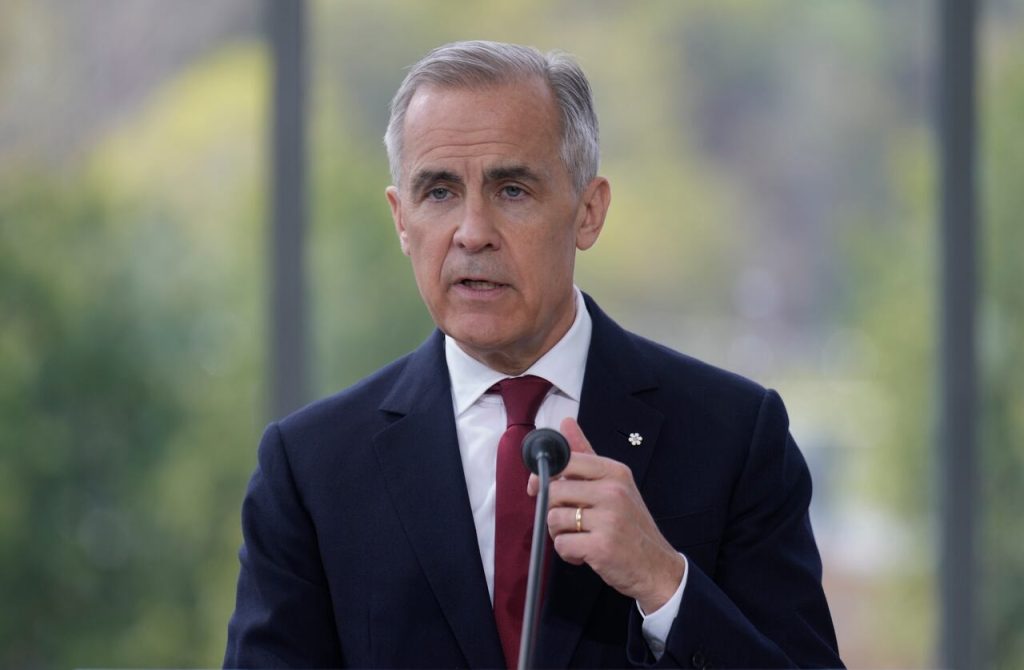
During a recent press conference announcing the appointment of Louise Arbour as the next governor general, Prime Minister Mark Carney addressed the issue. When pressed on whether he would commit to more detailed financial reporting, Carney admitted he was not yet fully aware of the program’s intricacies.
However, he signaled a potential shift in policy. “I’ll look into it, ensure that there’s adequate transparency around the expenses,” Carney stated. He balanced this promise by acknowledging the service these individuals have provided to Canada, noting that many continue to contribute to the country through charitable foundations.
The Path Forward
For the government, the challenge lies in balancing the respect due to former representatives of the Crown with the modern expectation of fiscal responsibility. If the government continues to ignore the recommendations made by their own commissioned experts, they risk further eroding public trust.
Key steps that could be taken include:
- Mandatory Disclosure: Requiring the Governor General’s office to publish quarterly reports detailing the nature of expenses for all former viceregals.
- Sunset Clauses: Evaluating whether these payments should be capped at a certain number of years post-service, rather than being a lifetime benefit.
- Standardized Audits: Integrating these expenses into the broader federal audit cycle to ensure that all claims are reasonable and directly tied to official, non-personal activities.
Conclusion: A Test of Democratic Accountability
As of mid-2026, the $554,000 annual expense bill remains a lingering symbol of bureaucratic inertia. While Prime Minister Carney has expressed a willingness to investigate the matter, history shows that promises of reform in this area are often swallowed by the slow machinery of the federal government.
For the average Canadian, the issue is simple: when public money is involved, the process should be transparent. Whether the government will finally act to modernize this program or continue the tradition of keeping the books closed remains to be seen. As the debate continues, the pressure on the Prime Minister to deliver on his promise of transparency will only grow louder.