Tragedy at Arcadia Lake: 23 Injured as Oklahoma Shooting Highlights Rising Youth Violence

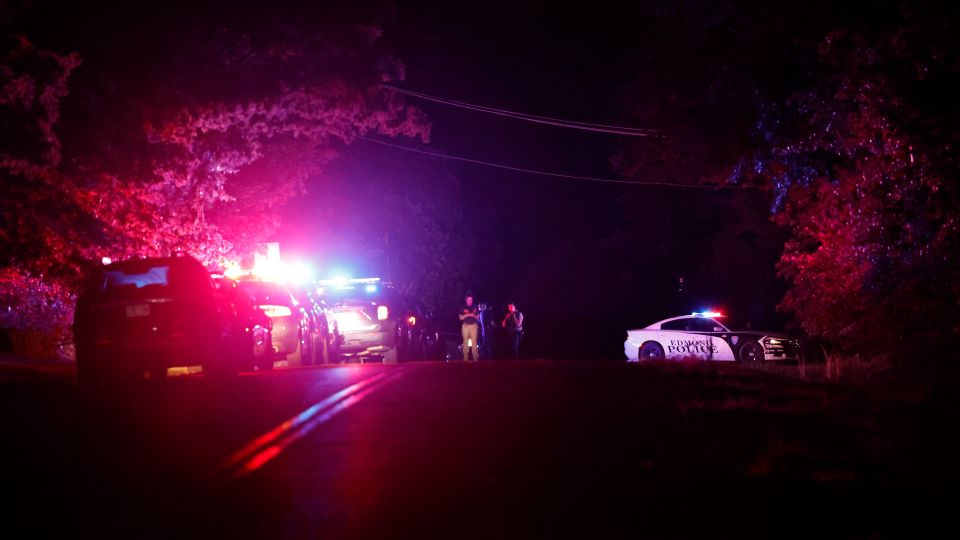
The tranquility of an Oklahoma evening was shattered when gunfire erupted at an unsanctioned lakeside party, leaving at least 23 people injured and a community in shock. The incident, which unfolded at a campground near Arcadia Lake, serves as a grim indicator of a broader, concerning trend of violence targeting youth and young adult gatherings across the United States. As law enforcement continues to piece together the events of that chaotic Sunday night, the incident has reignited national debates regarding public safety at mass gatherings and the influence of social media in organizing large-scale, unregulated events.
The Chaos at Arcadia Lake: What We Know
The gathering, which drew hundreds of young adults from the greater Oklahoma City metro area, was promoted on social media under the moniker “Sunday Funday.” What was intended to be a weekend social event turned into a scene of pandemonium around 9 p.m.
According to witness accounts, the atmosphere shifted rapidly following a dispute among attendees. Jeremiah Smith, an 18-year-old present at the scene, described a situation where a minor argument escalated into total chaos. Within minutes, shots were reported coming from multiple directions, forcing hundreds of revelers to flee for their lives.
Severity of Injuries and Ongoing Investigation
The Edmond Police Department confirmed that the injuries sustained by the 23 victims range from minor scrapes to critical gunshot wounds. Local healthcare systems, including Integris Health, were mobilized immediately to handle the influx of patients. While several victims were treated and released, others remained in critical or serious condition days after the event.
Suspect Information: Authorities are currently searching for at least two individuals described as men wearing ski masks.
Police Response: Edmond police have stated that while the investigation is ongoing, there is no immediate threat to the general public.
Evidence Collection: Investigators are canvassing the metro area, interviewing witnesses, and examining social media trails to identify the shooters.
A National Pattern: The “Rash of Shootings” at Youth Parties
The tragedy at Arcadia Lake did not occur in a vacuum. It was one of three major incidents involving youth or young adults that occurred over a single weekend in the United States. From post-prom party shootings in Indianapolis to targeted violence in Texas, these events suggest a disturbing pattern of gun violence at social gatherings.
Why Are These Events Escalating?
Sociologists and public safety experts point to several factors contributing to this trend:
- Social Media Coordination: The ease of promoting “pop-up” parties on platforms like Instagram, TikTok, and Snapchat makes it difficult for authorities to monitor or regulate gatherings that lack official permits or security.
- Environmental Factors: As temperatures rise, historically, incidents of public violence tend to increase. The transition into warmer months often coincides with higher densities of people in public spaces.
- Conflict Resolution Gaps: Many of these shootings stem from relatively minor interpersonal disputes that escalate rapidly when firearms are introduced into a crowded, high-tension environment.
The Role of Social Media in Public Safety
The “Sunday Funday” event underscores a modern challenge for law enforcement: unpermitted mass gatherings. Without a permit, these events lack basic security measures, crowd control, and emergency medical access.
When an event is advertised to thousands of people online, the potential for conflict increases exponentially. Authorities are now calling for greater cooperation from platform moderators and community members to report these unsanctioned events before they spiral out of control. The organizers of the Arcadia Lake party issued a public apology, but the damage had already been done, leaving dozens of families to deal with the physical and emotional trauma of the attack.
Moving Forward: Community Support and Prevention
In the wake of the shooting, local organizations and national foundations have stepped in to provide counseling, medical bill assistance, and trauma support for the victims. This community-centric approach is vital for healing, but it does not address the systemic need for prevention.
Steps for Safer Public Spaces
Enhanced Surveillance: Municipalities are considering increased patrols at popular recreation spots like Arcadia Lake during peak weekend hours.
Community Policing: Building stronger relationships between youth and local law enforcement can help identify potential flashpoints before violence occurs.
Stricter Permitting Enforcement: Cities are looking at ways to crack down on large, unpermitted gatherings that utilize public land for events that lack adequate security infrastructure.
Analysis: Is the Trend Reversible?
The data provided by the Gun Violence Archive is sobering. With over 130 mass shootings recorded earlier this year, the incident in Oklahoma is a recurring chapter in a much longer narrative of American gun violence. The fact that hundreds of youths are injured annually at these types of events suggests that the issue is not just about the shooters, but about the environments in which these young people congregate.
To curb this trend, we need a multifaceted approach that involves:
Responsible Digital Citizenship: Parents and community leaders must educate young people on the dangers of attending unvetted, massive gatherings.
Legislative Action: Continued debates on firearm accessibility remain at the forefront of the conversation, as the ease of obtaining weapons continues to influence the lethality of these disputes.
- Mental Health Resources: Providing accessible, low-barrier mental health services for young adults could help mitigate the aggression that often leads to these violent outbursts.
Conclusion
The shooting at the Oklahoma lake party is a stark reminder of the fragile nature of public safety in an era of digital-first social planning. As we look toward the future, the focus must shift from reactive policing to proactive community engagement and event regulation. While the investigation into the Arcadia Lake suspects continues, the community of Edmond and the nation at large are left to grapple with the reality that a simple social event can turn into a life-altering tragedy in seconds.
The path to safety is complex, but it begins with acknowledging that these events are not just isolated accidents—they are symptoms of a larger societal challenge that requires urgent, collective attention.