Strategic Shift: Trump Pauses ‘Project Freedom’ Amid High-Stakes Iran Negotiations

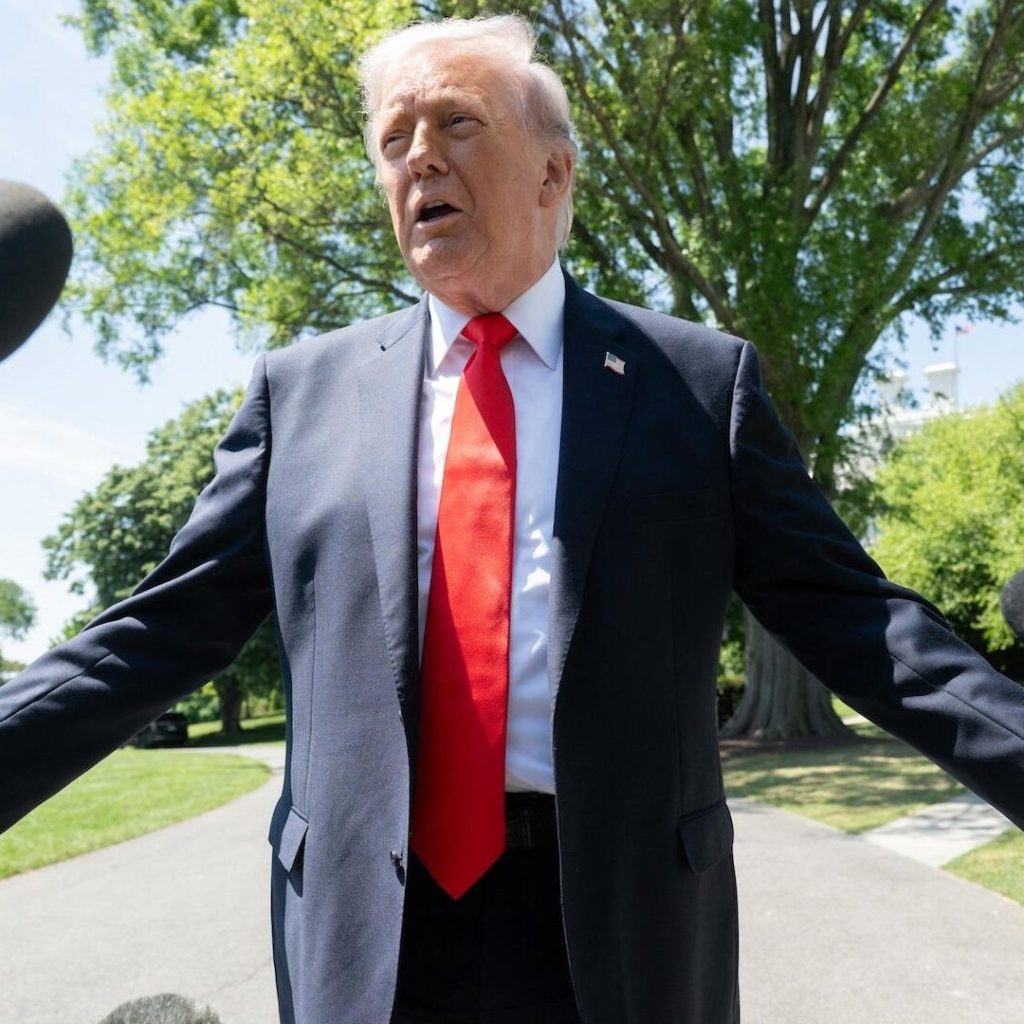
The geopolitical landscape of the Middle East reached a fever pitch this week as President Donald Trump announced a significant pivot in U.S. maritime policy. The ambitious military initiative known as “Project Freedom”—designed to forcibly escort commercial vessels through the volatile Strait of Hormuz—has been officially paused.
This unexpected tactical halt comes as the administration signals that a “Complete and Final Agreement” with Iran may be within reach. For stakeholders in global energy markets and international shipping, this pause represents a delicate balancing act between military projection and diplomatic breakthrough.
The Genesis of Project Freedom: A High-Risk Strategy
To understand why this pause is so significant, one must look at the climate that birthed Project Freedom. Over the past few months, the Strait of Hormuz—the world’s most critical maritime chokepoint—has become a theater of confrontation. With hundreds of cargo ships and oil tankers stranded due to Iranian blockades and regional hostilities, the U.S. military was tasked with a unilateral mission to restore the flow of commerce.
The Objectives of the Initiative
Safe Passage: Establishing a protected corridor for stranded merchant vessels.
Deterrence: Displaying U.S. naval superiority to discourage further Iranian missile and drone aggression.
Economic Stability: Preventing a global energy crisis by ensuring oil and gas exports from the Persian Gulf remain unhindered.
However, military analysts and shipping experts had expressed deep skepticism. The risk of unintended escalation was immense. A single miscalculation between U.S. naval escorts and Iranian patrol craft could have ignited a full-scale regional conflict.
Diplomacy Over Confrontation: Why the Shift?
President Trump’s recent announcement via Truth Social has shifted the narrative from kinetic intervention to diplomatic resolution. The President cited “Great Progress” in ongoing discussions, attributing the move to a request by Pakistan, which has emerged as a key mediator in the U.S.-Iran channel.
The Role of International Mediation
The involvement of Pakistan signals a broader effort to de-escalate the conflict without sacrificing U.S. strategic objectives. By hitting the “pause” button on Project Freedom, the White House is essentially testing Iran’s willingness to adhere to a potential 14-point peace framework.
This decision suggests that the administration recognizes the limits of “gunboat diplomacy.” While the U.S. Navy remains in the region, the temporary cessation of escort operations creates a “cooling off” period. It allows both Washington and Tehran to negotiate without the constant threat of a tactical flare-up in the shipping lanes.
The Economic Implications of the Ceasefire
The global economy has been holding its breath as the Strait of Hormuz remained effectively shuttered. A significant portion of the world’s daily oil production passes through this narrow waterway. The uncertainty surrounding the blockade caused massive spikes in insurance premiums for shipping companies and volatility in global energy prices.
What the Pause Means for Global Trade:
- Market Stabilization: If the pause leads to a formal agreement, we can expect a gradual normalization of shipping routes, potentially easing inflation pressures on global fuel costs.
- Pressure on Iran: While the blockade of Iranian ports remains in full effect according to the President’s statement, the pause in maritime escorting forces Tehran to demonstrate its commitment to the peace deal.
- The “Wait and See” Approach: Shipping firms remain cautious. Until a definitive, verifiable treaty is signed, the risk premium on vessels traversing the Gulf will likely remain elevated.
Critical Challenges: The Path to a Final Agreement
While the pause is a positive signal, hurdles remain. The history of U.S.-Iran relations is fraught with broken promises and sudden reversals. For a “Complete and Final Agreement” to hold, several conditions must be met:
Verification: Any deal must include robust inspection mechanisms to ensure that the Strait remains open to international traffic.
Regional Security: Iran’s influence over proxy groups in the region remains a point of contention that the U.S. is unlikely to ignore.
The 14-Point Plan: The reported 14-point plan, currently under review by Iranian leadership, serves as the blueprint. Whether this document contains concessions acceptable to the U.S. Congress and the American public remains the “million-dollar question.”
Expert Analysis: A Calculated Gamble?
Many foreign policy experts view this move as a classic Trumpian strategy: apply maximum pressure through a show of force, then leverage that pressure to extract a deal. By launching Project Freedom, the U.S. signaled that it was prepared to break the blockade. By pausing it, the President is offering an “off-ramp” to the Iranian regime.
However, the skepticism remains. Critics argue that a pause could be interpreted as a sign of weakness or a lack of resolve. Conversely, proponents argue that this is the most effective way to protect American interests without engaging in a costly, unpredictable war in the Middle East.
Conclusion: What Happens Next?
As of late 2026, all eyes are on the diplomatic channels between Washington, Islamabad, and Tehran. The pause of Project Freedom is not a withdrawal, but a strategic recalibration.
The U.S. blockade on Iranian ports remains firmly in place, serving as a reminder that the “maximum pressure” campaign has not been abandoned, merely paused for the sake of potential peace. Whether this leads to a lasting resolution or a return to naval escalation will depend on the sincerity of the negotiations in the coming weeks.
For now, the shipping world remains in a state of watchful waiting. The Strait of Hormuz continues to be the most watched stretch of water on the planet, and the “short period of time” mentioned by President Trump will be the most critical window for Middle Eastern stability in recent history.