Strait of Hormuz Crisis: Trump’s High-Stakes Gamble Between Diplomacy and Escalation

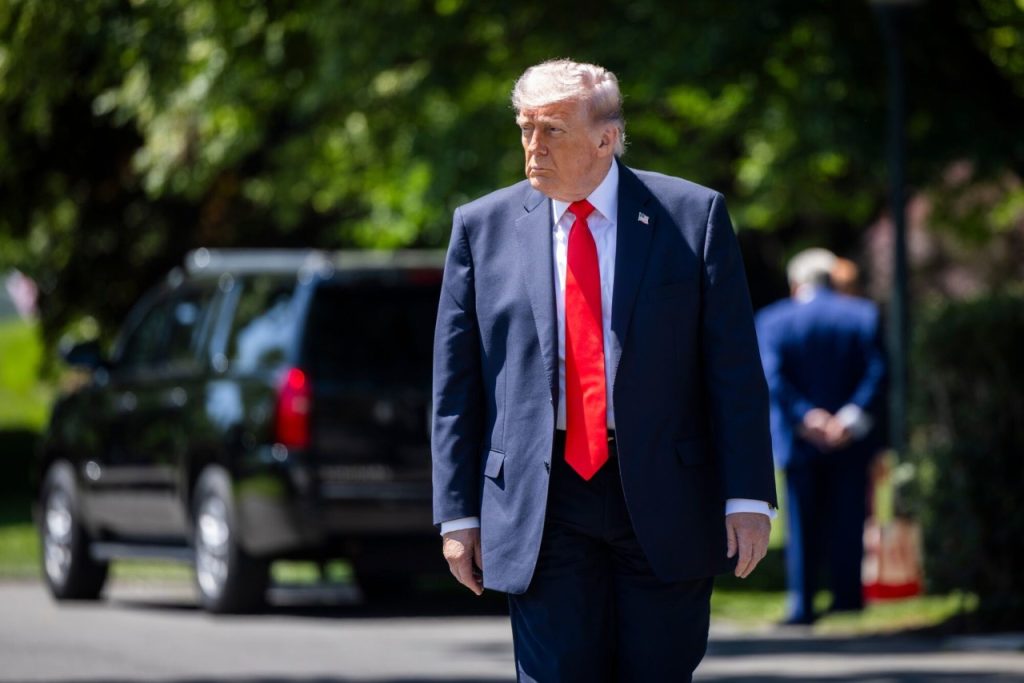
The delicate cease-fire between the United States and Iran is fraying at the seams. In a volatile turn of events this week, the Strait of Hormuz—the world’s most critical energy chokepoint—became a theater of direct combat. Following Iranian missile strikes on U.S. warships and commercial vessels, President Donald Trump finds himself at a geopolitical crossroads: double down on a military response or maintain his precarious diplomatic path toward a nuclear settlement.
As of 2026, the ongoing tension has shifted from traditional battlefield engagements to a maritime standoff that threatens the global economy. With gas prices climbing and international shipping lanes effectively paralyzed, the pressure on the White House to act is reaching a fever pitch.
The “Project Freedom” Failure and Iranian Aggression
The escalation began when the U.S. launched Project Freedom, an ambitious initiative designed to escort commercial tankers through the Strait of Hormuz. The mission was intended to demonstrate American resolve and stabilize the flow of oil. However, the plan met immediate, violent resistance.
Tehran responded by launching cruise missiles at U.S. Navy vessels and targeting commercial traffic, including a significant explosion that set a South Korean ship ablaze. U.S. Central Command confirmed that American forces were forced to deploy Apache helicopters to neutralize Iranian speedboats that were actively harassing transit lanes.
This direct engagement marks a dangerous departure from the “mini-war” rhetoric President Trump has utilized to characterize the conflict. While the President remains publicly optimistic, the reality on the ground suggests that Iran is testing the limits of the current, fragile truce.
Trump’s Dual-Track Strategy: Hawks vs. Diplomats
Inside the West Wing, the strategy remains a tug-of-war between two competing factions. President Trump has consistently expressed a desire to avoid a full-scale bombing campaign, fearing it would entrench the U.S. in a protracted Middle Eastern conflict.
However, the President is facing immense pressure from political allies, most notably Senator Lindsey Graham, who argue that the recent attacks constitute a clear violation of the cease-fire. For these proponents of intervention, a “big, strong, and painful” response is the only way to re-establish deterrence.
The Military Options on the Table
According to recent reports, the administration has been weighing several tactical responses, should diplomacy fail:
Targeted Airstrikes: Striking the remaining 25% of Iranian nuclear sites currently on the Pentagon’s target list.
Enhanced Naval Escorts: Moving beyond current advisory roles to a more robust, militarized escort system for all commercial vessels.
- Increased Economic Blockade: Tightening the existing sanctions and maritime restrictions to further starve the Iranian regime of revenue.
Despite these options, Trump has shown a marked skepticism toward further bombing. His frustration stems from the realization that previous strikes have not forced Tehran to abandon its nuclear ambitions. As he noted in a recent interview, he believes he has the upper hand regardless of the path chosen: “One way or the other, we win. We either make the right deal, or we win very easily from the military standpoint.”
The Pentagon’s New Leadership Faces the Heat
The administration’s next steps will likely be defined by the upcoming briefing from Secretary of Defense Pete Hegseth and Chairman of the Joint Chiefs, Gen. Dan Caine. Their assessment of the situation in the Strait will be critical in determining whether the U.S. maintains its current posture or shifts toward a more aggressive stance.
The Pentagon’s challenge is compounded by the lack of international support. While the U.S. sought to build a coalition for maritime security, few allies have committed to the effort. This isolation forces the U.S. to shoulder the burden of the Strait’s security alone, further complicating the President’s diplomatic endgame.
Global Implications: China and the Energy Crisis
The instability in the Strait of Hormuz is not just a regional issue; it is a global economic crisis. With oil prices fluctuating wildly, the U.S. is looking toward Beijing to exert influence over Tehran.
Treasury Secretary Scott Bessent has publicly urged China to step up its diplomatic efforts, yet the signs are discouraging. Recent reports indicate that the Chinese Ministry of Commerce has ordered its refineries to ignore U.S. sanctions, suggesting that Beijing is positioning itself as a strategic benefactor for Iran.
This creates a significant obstacle for the White House as it prepares for the upcoming summit with President Xi Jinping. If the U.S. cannot secure Chinese cooperation, the diplomatic window for a nuclear deal may close for good, leaving military action as the only viable option for the President.
The Path Forward: Can Diplomacy Prevail?
As the 2026 calendar progresses, the administration remains committed to a “gradual pressure” policy. By combining naval coordination with the threat of severe sanctions and the looming potential for kinetic strikes, the White House hopes to force Iran back to the table.
However, the events of this week have proven that the “status quo” is increasingly difficult to maintain. The risk of miscalculation remains high. Whether the U.S. chooses to brush off the recent provocations or launch a retaliatory strike will define the remainder of Trump’s term and the future of the Middle East.
For now, the world watches the Strait of Hormuz, where the thin line between a negotiated peace and a broader conflict continues to erode. The President’s “mini-war” is no longer a localized issue; it is a high-stakes test of American resolve in a rapidly changing world order.