Stranded in the Atlantic: The Deadly MV Hondius Hantavirus Outbreak and the Global Race to Save Lives

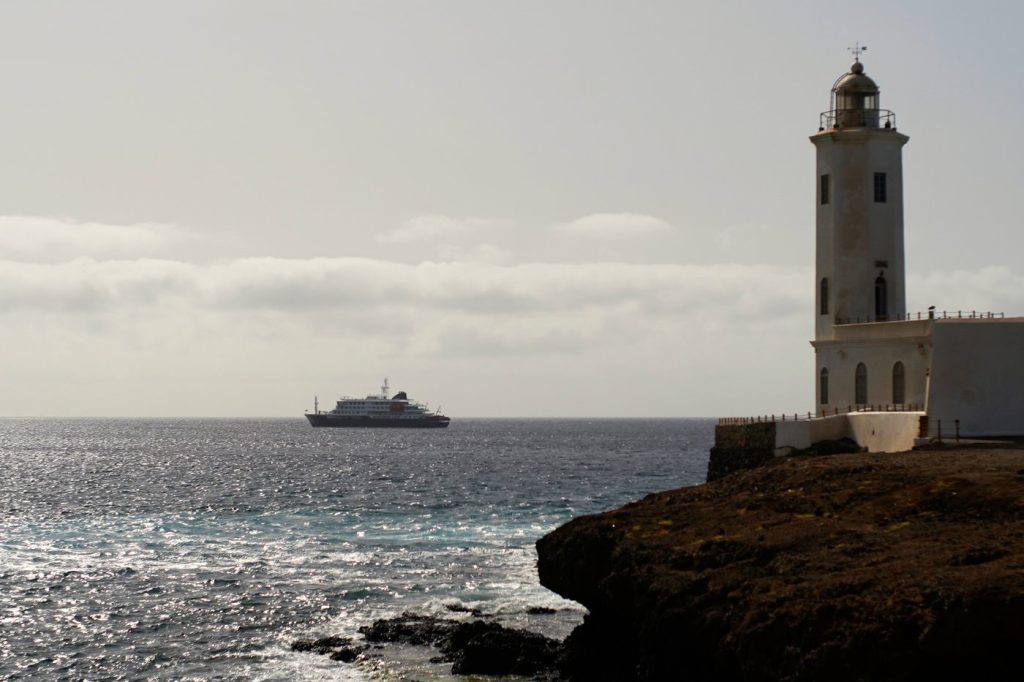
The year 2026 has brought a harrowing reminder of the fragility of maritime travel and the unpredictable nature of infectious diseases. What was meant to be a once-in-a-lifetime “Atlantic Odyssey” has transformed into a floating crisis. The MV Hondius, a state-of-the-art polar expedition vessel, currently sits idle in the open waters off the coast of Cape Verde, waiting for a lifeline that has been slow to arrive.
With nearly 150 souls on board, the ship is grappling with a suspected outbreak of the rare and lethal hantavirus. As of May 4, 2026, the toll is grim: three passengers are dead, and several others, including crew members, are fighting for their lives in critical condition.
The Voyage of the MV Hondius: From Adventure to Nightmare
The MV Hondius, operated by the Netherlands-based Oceanwide Expeditions, departed from Ushuaia, Argentina, on April 1, 2026. The itinerary was ambitious—a weeks-long journey through the icy waters of Antarctica, visiting remote islands in the South Atlantic, and eventually making its way toward the West African coast.
However, the dream of exploring the world’s most isolated regions quickly soured. The first signs of trouble emerged early in the voyage, but the true nature of the threat didn’t become clear until the vessel reached the mid-Atlantic.
A Timeline of Tragedy
The tragedy began to unfold in mid-April:
- April 11: A 70-year-old Dutch man became the first casualty, suffering from a high fever, abdominal pain, and severe diarrhea. He passed away on board.
- Late April: His 69-year-old wife, who had disembarked to seek help, collapsed at a Johannesburg airport in South Africa and died shortly after. Posthumous testing confirmed she was positive for hantavirus.
- April 27: A British passenger was urgently evacuated to South Africa from Ascension Island. He remains in intensive care in critical condition.
- May 4: A German passenger was confirmed dead on the ship, with their body currently remaining on board as authorities debate the next steps.
Understanding the Hantavirus: A Rare but Deadly Threat
The World Health Organization (WHO) has identified the culprit as a suspected hantavirus. Typically, hantaviruses are rodent-borne illnesses. Humans usually contract the virus through direct contact with infected rodents or by inhaling aerosolized particles from rodent urine, saliva, or droppings.
While hantavirus is not a new discovery, its appearance on a luxury cruise ship in the middle of the ocean is highly unusual. Historically, outbreaks are localized to rural areas where humans and rodents live in close proximity.
Symptoms and Severity
Hantavirus is notoriously difficult to diagnose in its early stages because its symptoms mimic the flu. Patients often experience:
High fever and chills
Severe muscle aches (especially in the back and thighs)
Headaches and dizziness
Abdominal pain, vomiting, and diarrhea
As the disease progresses, it can lead to Hantavirus Pulmonary Syndrome (HPS), where the lungs fill with fluid, causing severe respiratory distress. There is no specific cure or vaccine for hantavirus, making early supportive care—such as intubation and oxygen therapy—the only hope for survival.
The Standoff at Cape Verde: Public Health vs. Humanitarian Need
As the MV Hondius approached Cape Verde, the ship’s operator requested emergency docking to facilitate medical evacuations. However, the Cape Verde Health Ministry has taken a hardline stance. Citing “public health concerns,” the government has refused to allow the ship to dock at the port of Praia, insisting that the vessel remain in open waters.
Dr. Ann Lindstrand, a WHO official on the ground in Cape Verde, explained the complexity of the situation. “It’s been very tricky for Cape Verdean authorities,” she noted. “They have to balance the humanitarian need of the passengers with the protection of their own population.”
The Evacuation Plan
Despite the docking ban, medical teams have made three trips to the vessel to assess the 149 people on board (87 passengers and 61 crew). Plans are currently being finalized to evacuate the most critically ill individuals—specifically two crew members (one British and one Dutch) who are showing severe respiratory symptoms.
The proposed evacuation involves transporting patients via ambulance directly from the ship to an airport, bypassing the general population to minimize any risk of local transmission.
Investigating the Source: How Did the Virus Get Onboard?
One of the biggest mysteries facing the WHO and epidemiological investigators is the source of the outbreak. Because the ship departed from Ushuaia, Argentina, health officials in the Tierra del Fuego province are under the microscope.
Juan Facundo Petrina, the director of epidemiology for the province, confirmed that no passengers showed symptoms upon departure. However, the incubation period for hantavirus can last up to eight weeks. This means passengers could have been exposed in Argentina or during one of the ship’s stops at isolated islands like Saint Helena or Ascension Island.
The Argentine Connection
Argentina has a history of hantavirus outbreaks. In 2019, a significant outbreak in southern Argentina resulted in nine deaths and forced an entire town into a 30-day quarantine. In 2025, the country saw 28 nationwide deaths from the virus. While the Tierra del Fuego province hasn’t historically seen cases, the virus is endemic in other parts of the country.
Life Onboard: Fear and Uncertainty for the Stranded
For the 87 passengers remaining on the MV Hondius, the atmosphere is one of profound anxiety. The passenger manifest includes:
17 Americans
19 British citizens
- 13 Spanish nationals
Oceanwide Expeditions has stated that a doctor is on board and providing support, but the limited medical facilities of a cruise ship are no match for a viral outbreak of this magnitude. If Cape Verde continues to deny full disembarkation, the operator is considering sailing to the Spanish Canary Islands—specifically Tenerife or Las Palmas—in hopes of finding a port willing to accept the vessel.
The Risk of Human-to-Human Transmission
While hantavirus is primarily spread by rodents, the WHO has noted that rare instances of human-to-human transmission have occurred in the past, particularly with the Andes virus strain found in South America. This possibility is what has health authorities across the Atlantic on high alert.
Dr. Hans Henri P. Kluge, WHO Regional Director for Europe, attempted to calm the public in a statement on Monday: “While severe in some cases, it is not easily transmitted between people. The risk to the wider public remains low. There is no need for panic or travel restrictions.”
What Happens Next? The Path Forward in 2026
The situation off the coast of Cape Verde is a litmus test for international maritime health protocols in 2026. As the WHO conducts a “full public health risk assessment,” several critical questions remain:
- Will other nations step up? If Cape Verde maintains its refusal to dock, the international community will look to Spain or South Africa to provide a safe harbor.
- How will cruise protocols change? This incident will likely lead to stricter rodent-control inspections and longer health screening periods for vessels departing from regions where hantavirus is endemic.
- The source of infection: Identifying whether the virus originated from a rodent on the ship or an exposure during a land excursion is vital for preventing future outbreaks.
Conclusion: A Call for Coordination
The MV Hondius crisis highlights the “blind spots” in global health security. When a rare disease strikes in the middle of the ocean, the intersection of maritime law, national sovereignty, and public health creates a complex web of bureaucracy that can cost lives.
For now, the world watches the horizon off Cape Verde, hoping that the remaining passengers and crew receive the medical intervention they desperately need before the death toll rises further.