US Destroys Seven Iranian Boats as Trump Pushes Global Maritime Mission “Project Freedom”

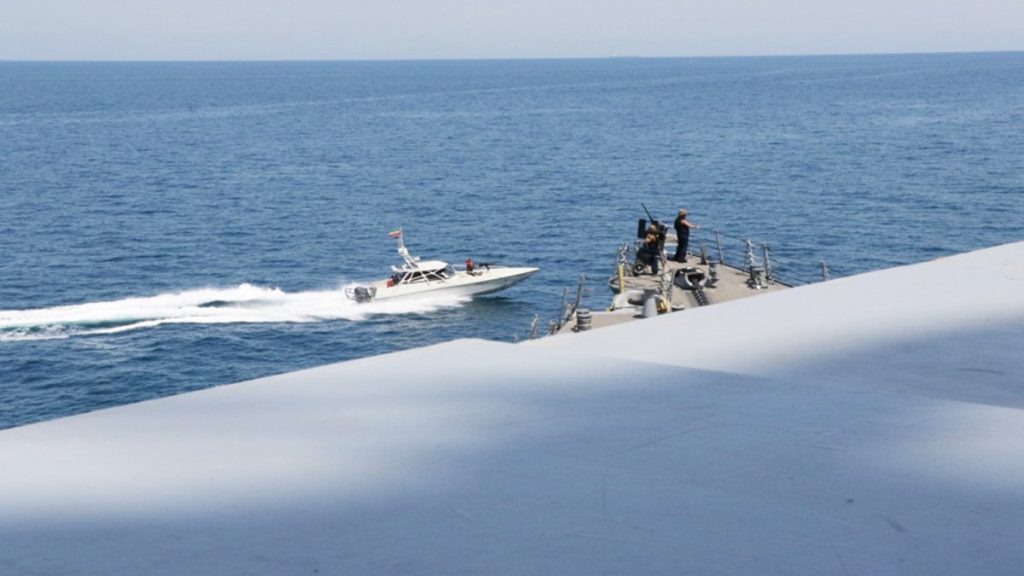
The geopolitical landscape of 2026 has reached a fever pitch as the Strait of Hormuz once again becomes the center of a high-stakes military confrontation. In a move that has sent shockwaves through global energy markets, United States forces have successfully neutralized seven Iranian small boats in the strategic waterway. This decisive action, announced by President Donald Trump on Monday, marks a significant escalation in the administration’s efforts to enforce maritime security under the banner of “Project Freedom.”
As the world watches the narrow passage that carries nearly 20% of the global oil supply, the destruction of these vessels underscores a hardening of U.S. policy toward Tehran. The incident follows months of reported harassment of commercial shipping and a series of provocative maneuvers by Iran’s “mosquito fleet.”
The Escalation: Seven Boats Neutralized in the Strait
The engagement occurred after Iranian fast-attack craft allegedly attempted to interfere with commercial vessels transiting the Strait. According to Pentagon reports, the U.S. Navy acted defensively to protect neutral shipping lanes. President Trump, speaking from the White House, confirmed that the U.S. military “blew them out of the water” after the Iranian vessels ignored multiple warnings and engaged in hostile maneuvers.
The Launch of “Project Freedom”
At the heart of this military response is Project Freedom, a U.S.-led initiative designed to provide a permanent security umbrella for international trade in the Persian Gulf. Unlike previous maritime coalitions, Project Freedom seeks to integrate advanced drone surveillance, AI-driven threat detection, and rapid-response strike groups to ensure that “not a single barrel of oil is held hostage by rogue actors.”
President Trump emphasized that the mission is not merely a U.S. endeavor but a global necessity. “We are protecting the world’s commerce,” Trump stated. “The United States is footing the bill for global stability, and it is time our partners stepped up to the plate.”
A Call to International Partners: The South Korea Factor
In a pointed remark during his briefing, President Trump specifically called out South Korea, citing a recent incident where a South Korean cargo ship was harassed by Iranian forces. The President suggested that nations benefiting from the security of the Strait should contribute directly to the mission.
Financial Contributions: The U.S. is seeking increased funding for naval patrols.
Naval Assets: A request for destroyers and frigates from allied nations.
Logistical Support: Integration of regional ports into the Project Freedom framework.
“Perhaps it’s time for South Korea to come and join the mission,” Trump remarked, signaling a shift toward a “pay-to-play” model of international maritime security that has become a hallmark of his 2026 foreign policy.
Technical Analysis: The “Mosquito Fleet” vs. U.S. Naval Might
The Iranian vessels destroyed were part of Tehran’s “mosquito fleet”—small, agile, fast-attack craft (FAC) often armed with rocket launchers, heavy machine guns, and sometimes anti-ship missiles. These boats utilize swarming tactics intended to overwhelm the sophisticated sensors and defense systems of larger Western warships.
Why the Swarm Failed
In this latest encounter, U.S. officials noted that the integration of directed-energy weapons and automated CIWS (Close-In Weapon Systems) played a crucial role. The Iranian boats were detected miles before they could close the distance, and once they entered the “exclusion zone” established by Project Freedom, they were engaged with surgical precision.
Intercepting the Counter-Attack
The engagement wasn’t limited to surface vessels. As the U.S. Navy neutralized the small boats, Tehran reportedly launched a barrage of cruise missiles and drones aimed at the U.S. fleet and commercial tankers. U.S. Aegis-equipped destroyers successfully intercepted these threats, demonstrating the robust nature of the current defensive posture in the region.
Regional Instability: UAE and Drone Threats
The ripple effects of the clash were felt immediately across the Gulf. The United Arab Emirates (UAE) reported multiple drone attacks on its infrastructure shortly after the U.S. strikes. While no major damage was reported, the UAE authorities have pointed the finger directly at Tehran, further straining the fragile regional balance.
The escalation has put a significant strain on the existing ceasefire agreements. Diplomats warn that the “tit-for-tat” nature of these engagements could spiral into a full-scale regional conflict if a diplomatic off-ramp is not found quickly.
The Pentagon Briefing: Hegseth and Caine Take the Stage
Further clarity on the mission is expected during an upcoming Pentagon briefing. Defense Secretary Pete Hegseth and Joint Chiefs Chairman Dan Caine are scheduled to provide a detailed tactical breakdown of the engagement.
Hegseth, known for his “peace through strength” philosophy, has been a vocal proponent of Project Freedom. Sources suggest he will outline new Rules of Engagement (ROE) that allow U.S. commanders more autonomy to neutralize threats in real-time without waiting for high-level clearance—a move intended to counter the rapid nature of Iranian swarm attacks.
Strategic Objectives for 2026:
- Total Maritime Dominance: Ensuring the Strait of Hormuz remains an open international waterway.
- Containment of Iranian Influence: Restricting Tehran’s ability to project power through its naval proxies.
- Energy Market Stability: Preventing price spikes by guaranteeing the safe passage of oil tankers.
Economic Implications: Oil and Global Markets
The immediate reaction to the news was a 4% spike in Brent Crude prices. Investors are wary that a prolonged conflict in the Strait could lead to a global energy crisis. However, the Trump administration argues that the long-term stability provided by Project Freedom will eventually lower insurance premiums for shipping companies and stabilize prices.
Key Economic Data Points:
20 Million Barrels: The amount of oil passing through the Strait daily.
Insurance Hikes: Shipping insurance rates in the Gulf have increased by 150% since the start of the year.
LNG Impact: Qatar’s Liquefied Natural Gas exports are also at risk, affecting European energy security.
Iran’s Response: Defiance and Rhetoric
Tehran has denounced the U.S. actions as “piracy” and “unprovoked aggression.” The Iranian military maintains that it has the sovereign right to patrol the waters off its coast and has accused the U.S. of creating a “theatre of war” to justify its continued presence in the Middle East.
Iranian state media reported that their forces were conducting “routine maritime exercises” and that the U.S. intervention was a violation of international law. Tehran has threatened to “close the Strait” if its maritime interests continue to be targeted, a threat it has made many times but one that carries more weight in the current high-tension environment of 2026.
Conclusion: A New Era of Maritime Warfare?
The destruction of the seven Iranian boats is more than just a localized skirmish; it is a manifestation of a new era of maritime strategy. Under Project Freedom, the United States is signaling that it will no longer tolerate “gray zone” tactics—the use of small, non-traditional forces to harass and intimidate.
As President Trump pushes for a more robust global maritime mission, the burden of proof lies on international partners to decide if they will join the U.S. or risk the economic fallout of a closed Strait. With Pete Hegseth at the helm of the Pentagon and a renewed focus on naval dominance, the message to Tehran is clear: the cost of interference has just gone up.
The coming weeks will be critical. Whether this escalation leads to a broader conflict or forces Iran back to the negotiating table remains to be seen. One thing is certain: the waters of the Strait of Hormuz have never been more turbulent.