Strait of Hormuz Standoff: Trump’s Stern Warning to Iran Amid Renewed Military Tensions

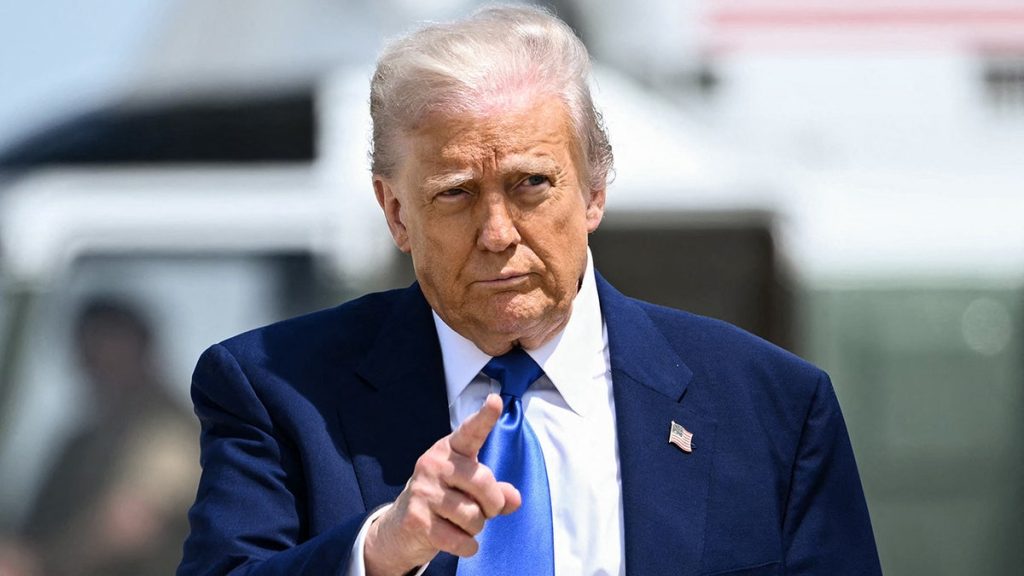
The geopolitical landscape of the Middle East has reached a critical boiling point in 2026. As U.S.-led initiatives to secure maritime corridors intensify, President Donald Trump has issued a stark, uncompromising warning to Tehran. Following a series of escalations in the Persian Gulf, the President declared that Iranian forces would be “blown off the face of the Earth” should they continue to target U.S. vessels navigating the strategic Strait of Hormuz.
This latest development marks a significant departure from the fragile ceasefire that had previously held, signaling a potential shift toward direct military confrontation. With the U.S. Navy actively escorting commercial vessels under the banner of “Project Freedom,” the stakes for global energy security and regional stability have never been higher.
The Escalation: From Diplomacy to Direct Engagement
The recent spike in hostilities follows an incident where Iranian naval assets allegedly targeted U.S. and international ships. In response, the U.S. military engaged, reportedly neutralizing seven Iranian boats in the Strait. This kinetic action has effectively shattered the extended ceasefire between the two nations, forcing policymakers and military analysts to re-evaluate the risk of a full-scale regional conflict.
Why the Strait of Hormuz Matters
The Strait of Hormuz serves as the world’s most critical maritime chokepoint. A significant percentage of the world’s daily oil consumption passes through this narrow waterway. Any disruption here does not just threaten the U.S. military presence; it threatens the global economy.
Global Supply Chain: Any closure of the strait would lead to an immediate, massive spike in oil prices.
Strategic Positioning: The U.S. commitment to “Project Freedom” is designed to ensure that international waters remain open, despite Iranian claims of sovereignty over the passage.
- Military Deterrence: The President’s rhetoric is designed to project strength, aiming to deter further aggression through the threat of overwhelming force.
Trump’s Two-Pronged Strategy: Deal or Destruction
In a candid interview with Fox News, President Trump outlined a binary approach to the ongoing crisis. He described the current situation as a choice between two distinct paths: a return to the negotiating table or a continuation of military operations.
Interestingly, Trump noted that Iranian negotiators have appeared “far more malleable” in recent private discussions compared to previous years. This suggests that while public rhetoric remains fiery, there may be back-channel efforts to avoid a total collapse of diplomatic relations. However, the President’s ultimatum remains clear: the U.S. will not tolerate harassment of its naval assets or threats to its personnel.
The “Project Freedom” Initiative
The U.S. decision to guide stranded ships through the Strait is a bold maneuver. By providing a protective escort, the U.S. is signaling that it is willing to use its naval superiority to enforce maritime law. This initiative, however, has been met with defiance from Tehran, with Iranian military officials threatening to target any U.S. forces entering the zone.
Analyzing the Rhetoric: Is War Inevitable?
Political analysts are divided on whether Trump’s “blown off the face of the Earth” comment is a genuine shift in policy or a continuation of his signature “maximum pressure” negotiation style. History has shown that the President often uses hyperbolic, high-stakes language to consolidate leverage before a major diplomatic breakthrough.
Key Factors to Watch in 2026:
- Military Readiness: The recent destruction of seven Iranian boats indicates that the U.S. military has been given broader Rules of Engagement (ROE).
- Regional Alliances: The stance of Gulf Cooperation Council (GCC) nations will be pivotal. Their support for U.S. maritime operations could either isolate Iran further or invite retaliatory proxy attacks.
- Nuclear Negotiations: The fate of the nuclear deal remains the elephant in the room. If negotiations fail, the military option, as described by Trump, becomes a much more probable reality.
Conclusion: Navigating Uncertain Waters
As we move deeper into 2026, the situation in the Persian Gulf remains fluid and highly volatile. President Trump’s warning serves as a definitive line in the sand. Whether this line leads to a period of cooling tensions through a new diplomatic framework, or whether it acts as the prelude to a broader military conflict, remains to be seen.
For now, the world is watching the Strait of Hormuz closely. The combination of U.S. naval might and the unpredictable nature of Middle Eastern diplomacy ensures that this will remain the most significant geopolitical story of the year. The administration’s focus on “Project Freedom” suggests that the U.S. is committed to maintaining its influence, regardless of the cost.