Accountability vs. Authority: Zack Polanski’s Stance on Police Scrutiny After Golders Green Controversy

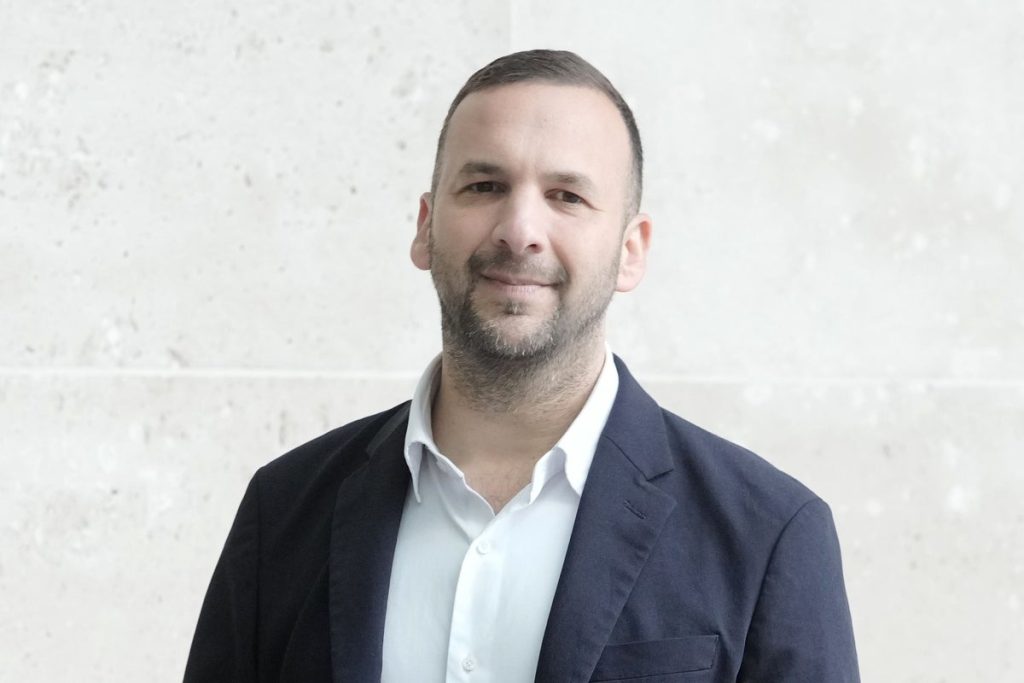
The intersection of public safety, political accountability, and the role of law enforcement has become a flashpoint in 2026. At the heart of this national debate is Green Party leader Zack Polanski, who recently found himself at the center of a firestorm following his social media activity regarding the police response to the Golders Green stabbing attack.
Polanski’s decision to repost content critical of Metropolitan Police officers—who were seen apprehending a suspect involved in a violent knife rampage—has sparked a fierce dialogue about whether those in uniform should be immune from public critique. As we navigate the complexities of modern policing, the question remains: where is the line between supporting the bravery of officers and holding them to account for their actions in the field?
The Golders Green Incident: A Catalyst for Debate
The controversy stems from an incident in North London, where 45-year-old Essa Suleiman allegedly targeted two individuals, Shloime Rand and Norman Shine, in a knife attack. During the apprehension, video footage circulated on social media platforms, showing officers using significant force against the suspect, who had reportedly been tasered.
The original post shared by Polanski alleged that officers were “violently kicking” an incapacitated suspect. This triggered an immediate backlash from political rivals and law enforcement leadership alike, with Prime Minister Sir Keir Starmer labeling the move “disgraceful.”
The Call for Accountability
Despite the widespread condemnation, Polanski has maintained a nuanced, albeit contentious, position. During his appearance on Sunday Morning with Trevor Phillips, he argued that acknowledging the immense bravery of police officers who run toward danger does not preclude the necessity of oversight.
“No one, especially the police, should be above scrutiny,” Polanski stated. While he later offered an apology, clarifying that the social media platform was not the “appropriate forum” for such a critique, he doubled down on the principle that public institutions must remain transparent and accountable to the citizens they serve.
A Clash of Political Styles: Polanski vs. Sir Mark Rowley
The situation escalated when Metropolitan Police Commissioner Sir Mark Rowley took the unusual step of writing an open letter to Polanski. The letter criticized the politician for undermining the confidence of officers who are forced to make split-second decisions in life-or-death situations.
Polanski, however, did not take the rebuke lying down. He suggested that open letters from the Commissioner are not an “appropriate way to do politics,” particularly during a sensitive local election period. This friction highlights a deeper issue in 2026: the breakdown of communication between political leaders and the top tiers of the police force.
The View from the Cabinet
The debate took a practical turn when Transport Secretary Heidi Alexander weighed in. Offering a perspective that contrasted sharply with Polanski’s, Alexander noted that she could understand the officers’ actions, especially given the perceived threat of a potential explosive device in the suspect’s backpack.
“If I was in the shoes of that police officer… I could see myself having taken similar action,” Alexander told Times Radio. This sentiment reflects the broader divide within the political establishment regarding the “use of force” policies and the stressors police officers face in high-stakes counter-terrorism scenarios.
Broader Implications: Antisemitism and Public Discourse
The controversy surrounding the Golders Green post is not an isolated incident for Polanski. He has also been drawn into heated debates regarding the use of inflammatory language at demonstrations, specifically the phrase “globalise the intifada.”
Navigating Sensitive Language
Polanski has stated that he discourages the use of such slogans but remains wary of “policing language.” This position has drawn fire from Liberal Democrats leader Sir Ed Davey, who accused Polanski of failing to stand in solidarity with the Jewish community and suggested his approach is a continuation of “Corbynista” politics.
Furthermore, Polanski has publicly condemned what he describes as an antisemitic caricature of himself published in The Times. As a Jewish politician, Polanski argues that the rise in antisemitism is a lived reality, noting that he has required police intervention regarding threats against his own safety in recent months.
The Path Forward for Police Oversight
The 2026 political landscape is clearly polarized. On one side, there is an urgent demand for the police to maintain public order and act decisively against violent threats. On the other, there is a persistent, growing demand for institutional transparency and a rejection of the idea that any public official is “above scrutiny.”
Key Takeaways for the Public
- Context Matters: The Golders Green incident serves as a reminder that the line between “necessary force” and “excessive force” is often subjective, necessitating independent, evidence-based reviews rather than social media trials.
- Political Responsibility: Politicians carry significant weight with their online endorsements. While free speech is vital, the platform of a party leader requires a higher standard of verification before sharing potentially inflammatory content.
- The Role of the Commissioner: Whether the Metropolitan Police should engage in public political sparring via open letters is a debate that will likely shape the relationship between the Met and Westminster for years to come.
Conclusion: Balancing Safety and Scrutiny
As the dust settles on the Golders Green controversy, the broader question remains: how do we foster a society that respects the life-saving work of the police while ensuring they remain accountable for their actions? Zack Polanski’s insistence that no one is above scrutiny is a fundamental tenet of a democratic society, even if his chosen method of delivering that message drew significant heat.
Ultimately, the goal for 2026 and beyond must be to move past the finger-pointing and focus on robust, independent oversight mechanisms that protect the public without demoralizing the officers on the front lines. The conversation regarding police conduct is far from over, and it remains a vital component of the health of our democracy.