Strait of Hormuz Crisis: Iran Attacks U.S. Vessels as Ceasefire Hangs by a Thread

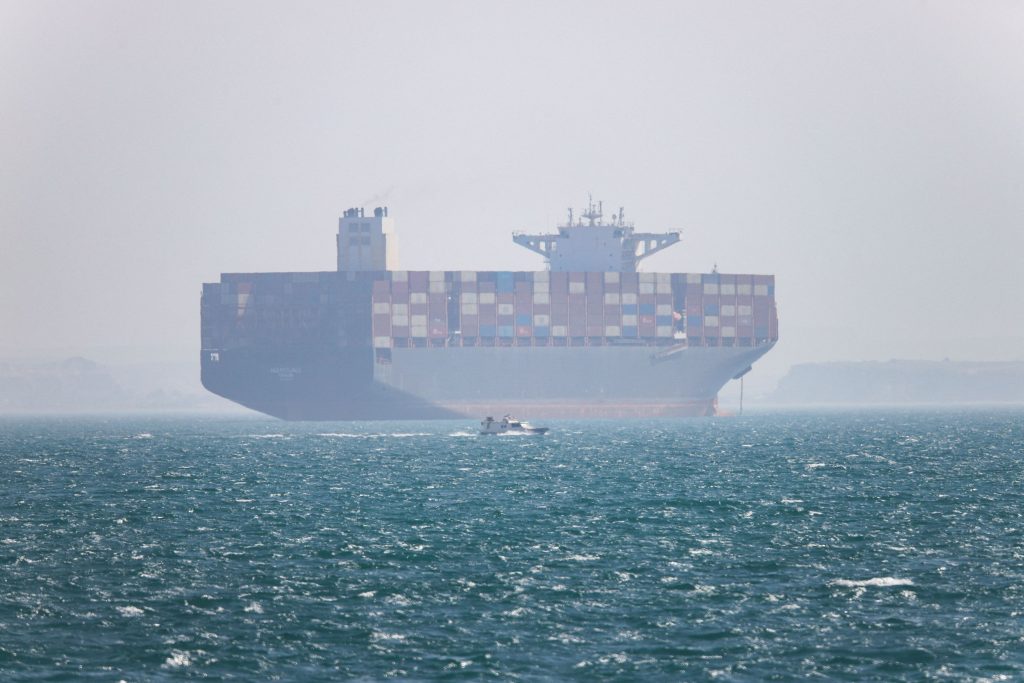
The geopolitical landscape in the Middle East reached a fever pitch this week as the fragile ceasefire between the United States and Iran faced its most significant challenge yet. Following the passage of two U.S.-flagged commercial vessels through the Strait of Hormuz—the first such transit since the cessation of hostilities—Iranian forces launched a coordinated strike involving cruise missiles and drone swarms. While U.S. Central Command confirmed that no American assets were hit, the escalation has sent shockwaves through global energy markets and cast doubt on the future of the shaky peace agreement established last month.
The Escalation: A Calculated Provocation
The incident occurred on Monday, shortly after U.S. destroyers cleared a path for commercial traffic. According to Admiral Brad Cooper, head of U.S. Central Command, Iran deployed six fast-attack boats in an attempt to swarm the merchant ships. The U.S. military’s response was decisive: American forces engaged the hostile boats, successfully destroying all six.
This direct military confrontation marks a turning point in what has been a tense, volatile standoff. Iran’s leadership has consistently framed any U.S. naval presence in the strait as a direct violation of the April 7 ceasefire terms. By targeting both U.S. warships and commercial vessels, Tehran is signaling that it intends to maintain its grip on this critical maritime chokepoint, regardless of the diplomatic cost.
Project Freedom: The U.S. Strategy to Reopen Global Trade
In response to the ongoing blockade, the Trump administration has launched “Project Freedom,” a massive naval and aerial operation designed to restore the flow of global energy supplies. The mission, which involves over 15,000 personnel, two aircraft carriers, and a fleet of over 100 warplanes, is the most ambitious effort to date to challenge Iran’s “management” of the waterway.
Why the Strait of Hormuz Matters
The Strait of Hormuz is not merely a regional waterway; it is the jugular vein of the global economy. Before the hostilities began in late February 2026, roughly 20% of the world’s daily oil and gas consumption passed through this narrow passage. Since the conflict erupted following the U.S.-Israeli air campaign, Iran has effectively strangled this traffic, causing:
Energy shortages in dozens of nations.
Skyrocketing fuel prices that have disrupted international supply chains.
- Increased insurance premiums for shipping companies operating in the Persian Gulf.
The Ceasefire Under Fire
The current ceasefire, which was intended to provide a diplomatic off-ramp, is now teetering on the edge of total collapse. While U.S. officials remain cautious about declaring the truce officially dead, the rhetoric from Tehran suggests that patience has run thin. Major General Ali Abdollahi of the Iranian Armed Forces stated unequivocally that any foreign force attempting to enter the strait would be treated as an aggressor.
The Diplomatic Stalemate
Negotiations in Pakistan have failed to produce a breakthrough. The primary friction points remain:
- Nuclear Program: Iran continues to demand the lifting of sanctions and the unfreezing of assets as a prerequisite for full compliance.
- War Reparations: Tehran is leveraging its control over the strait to demand financial compensation for the damage incurred during the February airstrikes.
- The U.S. Blockade: The U.S. Navy continues to intercept and turn back vessels attempting to enter Iranian ports, maintaining a strict embargo that Iran views as a fundamental violation of the spirit of the ceasefire.
Regional Spillover: UAE Attacks
The instability is not contained to the U.S.-Iran dynamic alone. On Monday, reports emerged that Iran had launched missile and drone strikes against an industrial zone in Fujairah, UAE. An empty tanker affiliated with the state-run ADNOC was also targeted. This expansion of the conflict suggests that Iran is willing to broaden its theater of operations to pressure regional allies of the United States, further complicating the already tangled diplomatic web.
The Path Ahead: A Risky Gamble
As Project Freedom intensifies, the risk of a miscalculation grows exponentially. The U.S. military’s decision to escort and clear the path for commercial vessels is a direct challenge to the status quo. President Trump’s recent post on Truth Social emphasized that the mission is about “freeing victims of circumstance,” but for the international community, the primary concern remains the risk of an all-out regional war.
The blockade of Iranian ports by the U.S. Navy—which has already intercepted or turned away 48 vessels—indicates that the U.S. is not backing down. By sinking the Iranian fast-attack boats this week, the U.S. has demonstrated that it is prepared to use force to ensure the freedom of navigation. However, the cost of this commitment is high, and with the ceasefire hanging by a thread, the global economy remains in a state of high-alert uncertainty.
Looking Toward 2026 and Beyond
The crisis in the Strait of Hormuz is the defining geopolitical event of 2026. Whether through a breakthrough in the Pakistan talks or a further escalation in naval skirmishes, the coming weeks will determine if the world can avoid a long-term energy crisis. For now, shipping companies, energy traders, and world leaders remain in a holding pattern, waiting to see if the fragile peace can be salvaged or if the region is sliding toward a much deeper, more destructive conflict.