Project Freedom: US Military Intervention in the Strait of Hormuz Amid Escalating Iran Tensions

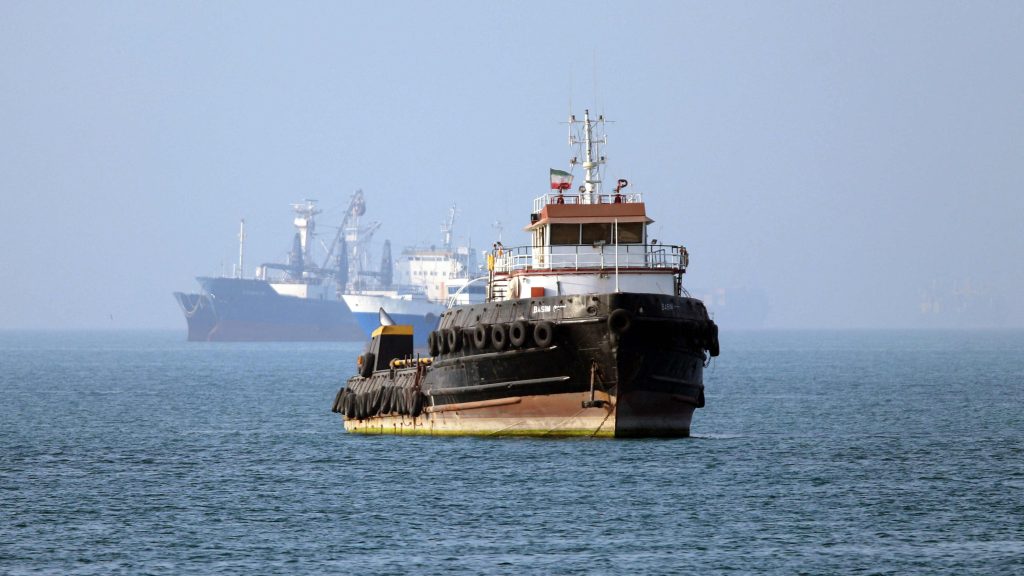
The global energy market and international maritime security are facing their most critical test in years. On May 4, 2026, the US launches Project Freedom amid Iran’s strait attacks, a high-stakes naval operation designed to clear the bottleneck in the Strait of Hormuz and secure the passage of approximately 2,000 stranded merchant vessels. As the world watches, the fragile ceasefire between Washington and Tehran appears to be fracturing, raising the specter of a broader Middle Eastern conflict.
The Genesis of Project Freedom: Why Now?
The Strait of Hormuz is arguably the most vital maritime chokepoint on the planet. With thousands of ships—including critical oil tankers—trapped by ongoing regional volatility, the U.S. administration under President Donald Trump has moved to assert freedom of navigation. This assertion comes as the US launches Project Freedom amid Iran’s strait attacks, aiming to restore stability to the critical waterway.
The operation aims to facilitate the departure of over 300 ships in the initial phase, with a broader goal of stabilizing global energy supplies. U.S. Treasury Secretary Scott Bessent noted that each tanker currently held up in the region carries roughly 2 million barrels of oil. By unblocking this artery, the U.S. hopes to resolve the current energy supply shortage within four to five days, thereby soothing volatile oil markets, a key objective as the US launches Project Freedom amid Iran’s strait attacks.
Military Confrontation: The Strait Under Fire
The launch of Project Freedom was met with immediate, kinetic opposition from Iranian forces. This opposition intensified the situation as the US launches Project Freedom amid Iran’s strait attacks. According to Brig. Gen. Brad Cooper, commander of U.S. Central Command (CENTCOM), the situation rapidly escalated on the morning of the 4th.
Iran reportedly deployed a multi-layered defensive and offensive strategy, utilizing:
Cruise Missiles: Fired at merchant vessels within the strait.
Drone Swarms: Intercepted and neutralized by U.S. Navy assets.
Fast-Attack Craft: Six Iranian military speedboats were engaged and sunk by U.S. Army Apache helicopters after attempting to threaten commercial shipping.
President Trump has issued a stern, unequivocal warning to the Iranian leadership. In a statement that has reverberated through global diplomatic channels, the President declared, “If Iran’s attacks target the United States, they will disappear from the face of the Earth.” This rhetoric signals a departure from the measured posture of recent months, suggesting that the U.S. is prepared for a full-scale military response should the operation, initiated when the US launches Project Freedom amid Iran’s strait attacks, face sustained interference.
The Regional Spillover: UAE and Oman Under Pressure
The conflict is no longer confined to the waters of the strait, intensifying since the US launches Project Freedom amid Iran’s strait attacks. Tehran’s resumption of strikes against Gulf states has shattered the relative calm of the past month. The United Arab Emirates (UAE) reported detecting four incoming cruise missiles, three of which were intercepted over territorial waters, while the fourth impacted the sea.
Furthermore, reports from the New York Times* indicate that residential areas in the Omani coastal city of Buka were struck, marking a dangerous expansion of the theater of operations. The UAE has since formally stated its “complete and legitimate right to respond,” adding a new layer of complexity to an already combustible situation.
Strategic Objectives and the China Factor
Why is Iran risking a direct confrontation with the U.S. Navy, especially now that the US launches Project Freedom amid Iran’s strait attacks? Analysts suggest that Tehran is attempting to leverage the chaos to establish new maritime “mechanisms,” such as imposing illegal tolls on vessels passing through the strait. By turning the waterway into a hostage situation, Iran seeks to project regional dominance and challenge U.S. hegemony.
U.S. leadership has been quick to call out international stakeholders in the wake of the operation. Treasury Secretary Bessent specifically urged China to join the effort to ensure freedom of navigation, highlighting that Beijing currently purchases 90% of Iran’s energy exports. The implication is clear: as the US launches Project Freedom amid Iran’s strait attacks, it views Iran as the world’s largest state sponsor of terrorism, and it expects global powers to choose sides in the effort to maintain the rule of law in international waters.
Economic Implications: What to Expect
The ripple effects of Project Freedom are being felt in boardrooms and gas stations worldwide. As the US launches Project Freedom amid Iran’s strait attacks, the primary focus remains the “normalization” of shipping traffic.
- Energy Stabilization: With 150 to 200 ships expected to clear the strait in the immediate term, the U.S. Treasury expects oil prices to stabilize as the supply backlog is cleared.
- Insurance and Risk: Maritime insurance premiums for the region are expected to skyrocket, potentially forcing a long-term rethink of global supply chain dependencies on the Strait of Hormuz.
- Geopolitical Realignment: The U.S. is actively building a coalition to support Project Freedom, effectively forcing nations in the region to decide between aligning with the U.S.-led security framework or facing the economic consequences of an Iranian-dominated strait.
The Road Ahead: War or Deterrence?
As of mid-May 2026, the situation remains fluid, especially since the US launches Project Freedom amid Iran’s strait attacks. Brig. Gen. Cooper has declined to confirm whether the official ceasefire has completely collapsed, but the military actions taken by both sides suggest that the “Rules of Engagement” have fundamentally changed.
The U.S. administration’s strategy is a blend of aggressive deterrence and economic pragmatism. By providing a clear path for commercial vessels to exit the strait, the U.S. is effectively testing Iran’s willingness to engage in an all-out war. If Tehran continues its missile and drone provocations, the “Project Freedom” operation, initiated when the US launches Project Freedom amid Iran’s strait attacks, may quickly evolve from a maritime escort mission into a broader campaign to neutralize the threats posed by Iranian coastal defense systems.
The world is watching to see if the show of force by the U.S. military will compel a de-escalation, or if the “specter of war” mentioned by regional observers will become a harsh reality. For now, the Strait of Hormuz remains the most dangerous square mile of water on the planet, especially since the US launches Project Freedom amid Iran’s strait attacks, and the events of the coming days will likely define the geopolitical landscape for the remainder of the year.