UK-EU Defense Reset: Britain Joins Forces on Landmark £78bn Ukraine Loan Scheme

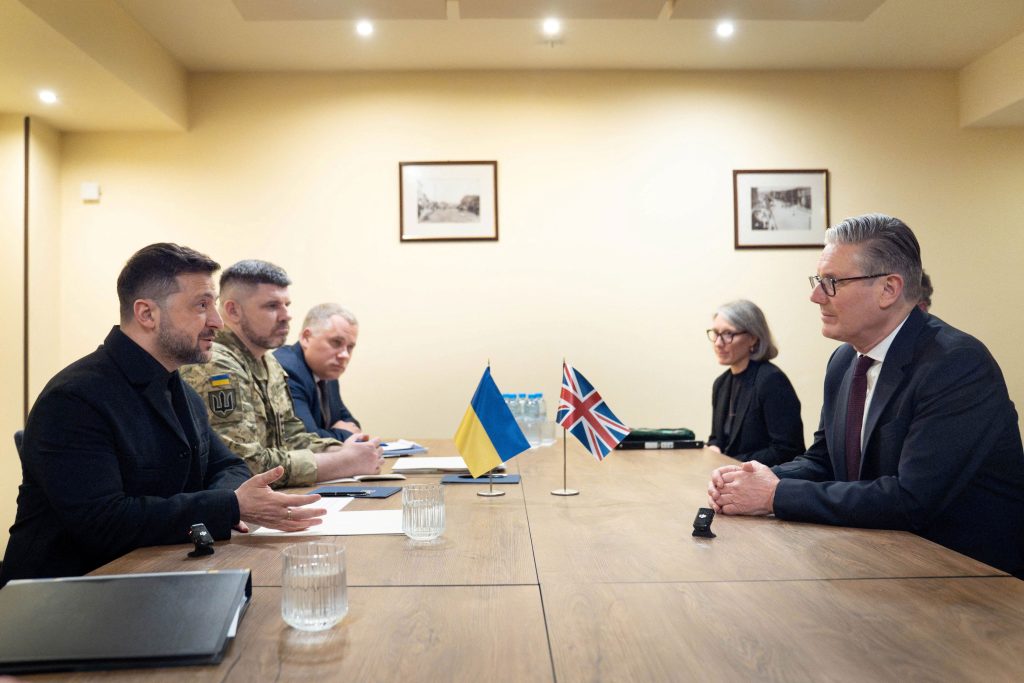
In a significant pivot for post-Brexit foreign policy, the United Kingdom has officially announced its intention to enter negotiations to join the European Union’s massive £78 billion (€90 billion) loan scheme for Ukraine. This move marks a pivotal moment in Prime Minister Sir Keir Starmer’s “reset” with Brussels, signaling a departure from the isolationist tendencies of the past decade toward a more integrated, collaborative approach to European security.
As the geopolitical landscape shifts in 2026, the necessity for a unified Western front has never been more apparent. By aligning with the EU’s financial mechanism, the UK is not only reinforcing its commitment to Kyiv’s sovereignty but also carving out a strategic role for British defense industries within the broader European security architecture.
A New Chapter in UK-EU Defense Cooperation
The decision to participate in this financial package comes at a time of extreme volatility. Following the resolution of the long-standing impasse caused by Hungary’s previous veto, the EU has finally unlocked the capital necessary to sustain Ukraine’s defense and economic stability over the next two years. For the UK, this is more than a financial contribution; it is a diplomatic statement.
During the European Political Community (EPC) summit in Yerevan, Armenia, Sir Keir Starmer emphasized the urgency of the situation. With the United States shifting its focus toward the Middle East and the escalating crisis in the Strait of Hormuz, the burden of maintaining European stability is increasingly falling on the shoulders of the UK and its continental partners.
Why the £78bn Loan Matters
The loan scheme is designed to be the financial bedrock for Ukraine’s survival. By joining this initiative, the UK aims to:
Bolster Military Supply Chains: Ensure that Ukraine has a steady flow of essential equipment to continue its defensive operations.
Deepen Industrial Integration: Create lucrative opportunities for British defense firms to compete for contracts associated with the loan’s procurement requirements.
Strengthen Geopolitical Clout: Re-establish Britain as a central pillar of European security, moving past the friction of previous years.
Strategic Realignment: Beyond Brexit
Sir Keir Starmer’s administration has been vocal about the economic damage caused by Brexit, and this latest move is a calculated step toward recovery. While the UK previously declined to join the more expensive £130 billion “Security Action for Europe” rearmament fund—citing excessive entry costs—this current loan participation represents a more pragmatic middle ground.
The Economic and Security Nexus
The Prime Minister’s approach is rooted in the belief that Britain’s national interest is best served by proximity to the EU. By negotiating the parameters of this loan, the UK is effectively leveraging its expertise in defense manufacturing to stimulate its own economy while supporting an ally.
- Job Creation: By ensuring British firms can bid on contracts, the government aims to deliver growth and stability to the UK’s defense sector.
- Supply Chain Disruption: Downing Street has simultaneously announced further sanctions on Russian entities, aiming to choke off the supply chains that fuel Moscow’s military machine.
- Unified Diplomacy: This cooperation serves as a precursor to the upcoming joint summer summit, where the UK and EU are expected to further solidify their defense partnership.
Addressing Global Instability in 2026
The Yerevan summit, held in a region that has seen its own share of turbulence, provided a backdrop for discussions on more than just the war in Ukraine. The shadow of the conflict in the Middle East looms large over European capitals.
The Strait of Hormuz and Global Trade
As energy security becomes a primary concern, the UK is pushing for a collective European strategy to address the blockade of the Strait of Hormuz. The economic fallout of the Iran war has been felt globally, and Starmer is keen to demonstrate that the UK remains a leading voice in securing critical shipping lanes. The synergy between the UK and the EU is considered essential to de-escalating these tensions and preventing further global economic shocks.
The Road Ahead: Challenges and Opportunities
While the move to join the loan scheme has been welcomed by many, it is not without its domestic political hurdles. As the UK heads into local elections, the government will face scrutiny over how its foreign policy choices impact the cost of living and domestic public services.
However, Sir Keir remains steadfast. His argument is that security and prosperity are inextricably linked. By investing in the defense of Ukraine, the UK is investing in the long-term stability of the European continent, which in turn provides the most favorable environment for the British economy to thrive.
Key Takeaways for the Future
Negotiations Phase: The UK and EU will spend the coming weeks defining the specific terms of the UK’s participation in the loan.
Defense Industrial Base: Keep an eye on UK defense stocks, as the integration into this fund could provide a significant boost to domestic manufacturers.
Transatlantic Relations: With the US focus shifting, the UK-EU axis is evolving into the primary security guarantor for the region.
Conclusion
The UK’s decision to join the EU’s £78 billion loan for Ukraine is a masterclass in pragmatic diplomacy. By prioritizing shared security interests over the lingering divisions of the post-Brexit era, the Starmer government is positioning the UK to remain a critical player on the global stage. As negotiations progress, the focus will shift from the political optics to the practical delivery of equipment and the revitalization of the British defense industry.
In these “volatile times,” as the Prime Minister noted, the ability to pivot and collaborate is the ultimate mark of a robust state. Whether this leads to a broader, more formal security arrangement between London and Brussels remains to be seen, but the trajectory is clear: the UK is leaning back into Europe, driven by necessity and the shared goal of a secure, sovereign Ukraine.