Strategic Pivot: UK Enters Talks to Join €90bn EU Loan Scheme for Ukraine

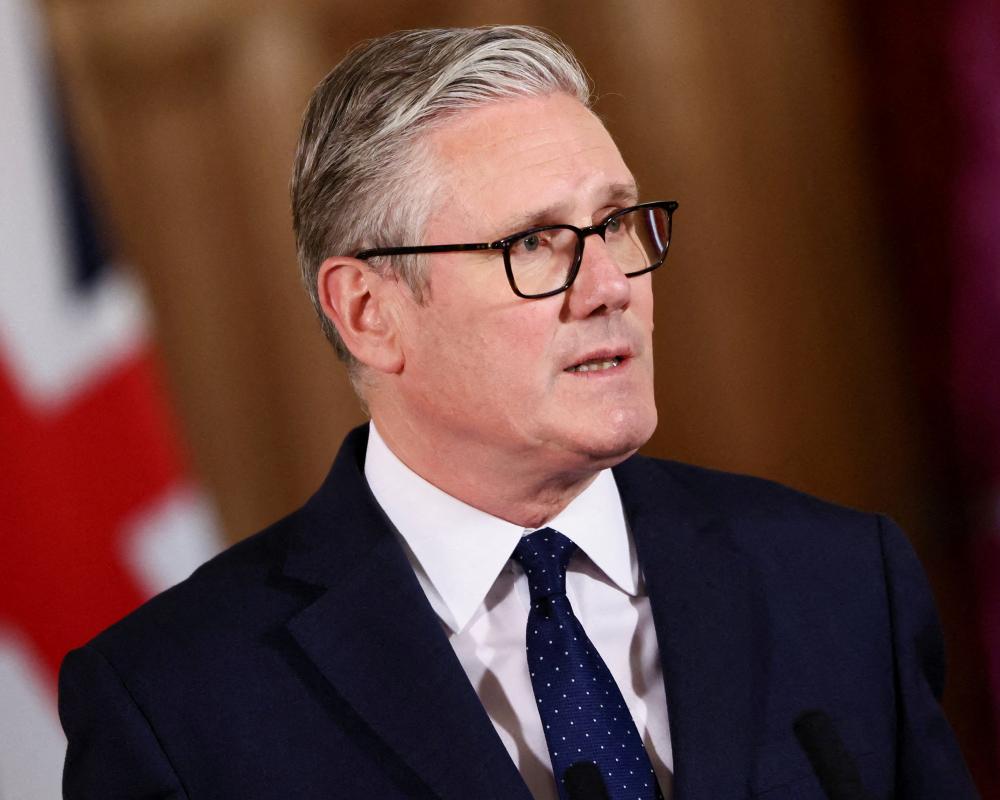
In a significant move that signals a profound “reset” in post-Brexit relations, Prime Minister Keir Starmer has announced that the United Kingdom is opening formal negotiations to join the European Union’s massive €90 billion (£78 billion) loan scheme for Ukraine. This pivotal development, which involves close coordination with the European Commission and EU member states, and could be summarized as “Starmer says UK opening talks with EU on joining €90bn loan scheme for Ukraine – UK politics live,” was unveiled by Starmer speaking from the European Political Community (EPC) summit in Yerevan, Armenia. He framed the initiative as a “triple-win”: a vital lifeline for the Kyiv government, a strategic boost for the British defense industry, and a cornerstone for deeper UK-EU security cooperation.
As the Russian invasion of Ukraine enters its fifth year, the geopolitical landscape has shifted dramatically. With the recent political developments in Hungary—where the long-standing veto on EU aid was finally removed—the path for this monumental financial package has been cleared. For the UK, the decision encapsulated by “Starmer says UK opening talks with EU on joining €90bn loan scheme for Ukraine – UK politics live” is more than just an act of solidarity; it is a calculated economic and security policy aimed at integrating Britain back into the fabric of European defense architecture, alongside its international partners.
The Strategic Rationale: Why Join Now?
The Prime Minister’s decision, highlighted by the news that “Starmer says UK opening talks with EU on joining €90bn loan scheme for Ukraine – UK politics live,” to participate in this European-led financial framework is driven by several converging factors. By contributing to the loan, the UK is not merely providing capital; it is securing a seat at the table where the allocation of these funds is decided, a decision likely to be discussed at the European Council.
Accessing Lucrative Defense Contracts
One of the most compelling arguments for the UK’s involvement, following the announcement that “Starmer says UK opening talks with EU on joining €90bn loan scheme for Ukraine – UK politics live,” is the economic potential for British firms. The €90 billion fund is designed to finance urgent capability needs for Ukraine and support Ukraine’s reconstruction efforts in the longer term. Under the terms being discussed, participating nations gain access to the contracts funded by the loan. This opens a pipeline for the British defense industry to supply equipment, technology, and logistical support, effectively turning a humanitarian and military contribution into a catalyst for domestic job creation.
Strengthening the “Brexit Reset”
Since taking office, Starmer has been vocal about his desire to move beyond the friction of the post-Brexit era. Following on from the Windsor Framework, this move further demonstrates a pragmatic approach. By aligning the UK with the EU on such a high-stakes initiative, epitomized by the headline “Starmer says UK opening talks with EU on joining €90bn loan scheme for Ukraine – UK politics live,” the government is signaling that the “reset” is not just rhetorical. It is a practical, sector-by-sector approach to rebuilding trust. This move comes ahead of a crucial UK-EU summit slated for this summer, where broader economic and security ties will be on the agenda.
Geopolitical Context: A New Era of Cooperation
The summit in Yerevan is a historic venue for this announcement, particularly as “Starmer says UK opening talks with EU on joining €90bn loan scheme for Ukraine – UK politics live” reverberates across the continent. Keir Starmer is only the second British Prime Minister to visit Armenia, following Margaret Thatcher in 1990. The presence of international leaders at the EPC summit reflects a growing consensus that European security is indivisible.
The Impact of Shifting Alliances
The landscape of European security has been under immense pressure following the geopolitical instability caused by the U.S. administration under Donald Trump. The inclusion of non-EU nations, and even honorary participants like Canada, suggests that the “European family” is widening its definition of collective security, involving various international partners. For the UK, the initiative where “Starmer says UK opening talks with EU on joining €90bn loan scheme for Ukraine – UK politics live” represents a significant step, moving closer to the EU’s defense funding mechanisms as a hedge against global uncertainty.
Disrupting Russian Supply Chains
Beyond the financial loan, the UK government has reaffirmed its commitment to weakening Russia’s military capacity. Downing Street has confirmed that the financial assistance for Kyiv will be accompanied by a fresh tranche of a sanctions regime aimed specifically at Russian companies involved in military supply chains. By choking off the resources required for Russia’s war machine, the UK aims to complement the financial support provided to Ukraine with direct economic warfare against the aggressor.
The Economic Debate: Costs and Benefits
While the government highlights the potential for a £9 billion economic boost by 2040 through its broader agreements with the EU, the path forward for initiatives like “Starmer says UK opening talks with EU on joining €90bn loan scheme for Ukraine – UK politics live” is not without controversy. Reports in the Times have suggested that deeper integration with the EU single market could come with a price tag—specifically, annual payments to Brussels estimated at £1 billion.
Government Stance on Negotiations
Downing Street has been quick to distance itself from these figures, stating they do not recognize the estimates. However, the government has maintained a policy of silence regarding the specifics of ongoing negotiations related to the announcement that “Starmer says UK opening talks with EU on joining €90bn loan scheme for Ukraine – UK politics live.” This caution is understandable, as the Prime Minister balances the economic benefits of market access against the domestic political sensitivity of resuming payments to the EU.
Supporting Jobs and Growth
The government’s primary narrative remains focused on growth. By aligning with EU initiatives like the Security Action for Europe (Safe)—a £150 billion fund for defense projects—the UK is positioning its arms manufacturers to compete on a continental scale. This is a clear pivot toward industrial strategy, where defense spending is utilized as a tool for both national security and economic development.
Looking Ahead: The Summer Summit
As the UK moves toward the summer summit with the EU, following the significant announcement that “Starmer says UK opening talks with EU on joining €90bn loan scheme for Ukraine – UK politics live,” several key objectives have emerged:
- Reducing Friction: Simplifying travel and trade to boost the post-Brexit economy.
- Defense Integration: Deepening cooperation to match evolving threats from the Russian invasion and other unconventional adversaries.
- Financial Stability: Ensuring that UK contributions to Ukraine, stemming from the commitment that “Starmer says UK opening talks with EU on joining €90bn loan scheme for Ukraine – UK politics live,” are optimized for both humanitarian impact and British industrial growth.
The road ahead remains complex. The UK must manage its domestic political climate while navigating the intricate bureaucracy of EU procurement and defense policy, and working closely with the European Commission on implementation. However, Starmer’s recent outreach suggests that the government is willing to trade the isolation of the recent past for a more pragmatic, integrated future.
Conclusion
Keir Starmer’s initiative, widely reported as “Starmer says UK opening talks with EU on joining €90bn loan scheme for Ukraine – UK politics live,” to join the €90 billion EU loan scheme for Ukraine represents a bold departure from the isolationist tendencies of the past decade. By linking British financial support to industrial opportunity, the government is attempting to modernize the UK’s role in European security, aiming to bolster the Kyiv government and support Ukraine’s reconstruction.
Whether this move, following the announcement that “Starmer says UK opening talks with EU on joining €90bn loan scheme for Ukraine – UK politics live,” will lead to a broader, more harmonious relationship with the European Union remains to be seen. However, as the conflict in Ukraine continues to evolve, the necessity for a unified, well-funded, and strategically integrated European response has never been clearer. For the UK, the choice is no longer between “Brexit” and “Remain,” but between being a peripheral observer or an active architect of Europe’s future security.