Strengthening the Frontline: The UK’s Pivot to Join the EU’s £78bn Ukraine Loan Scheme

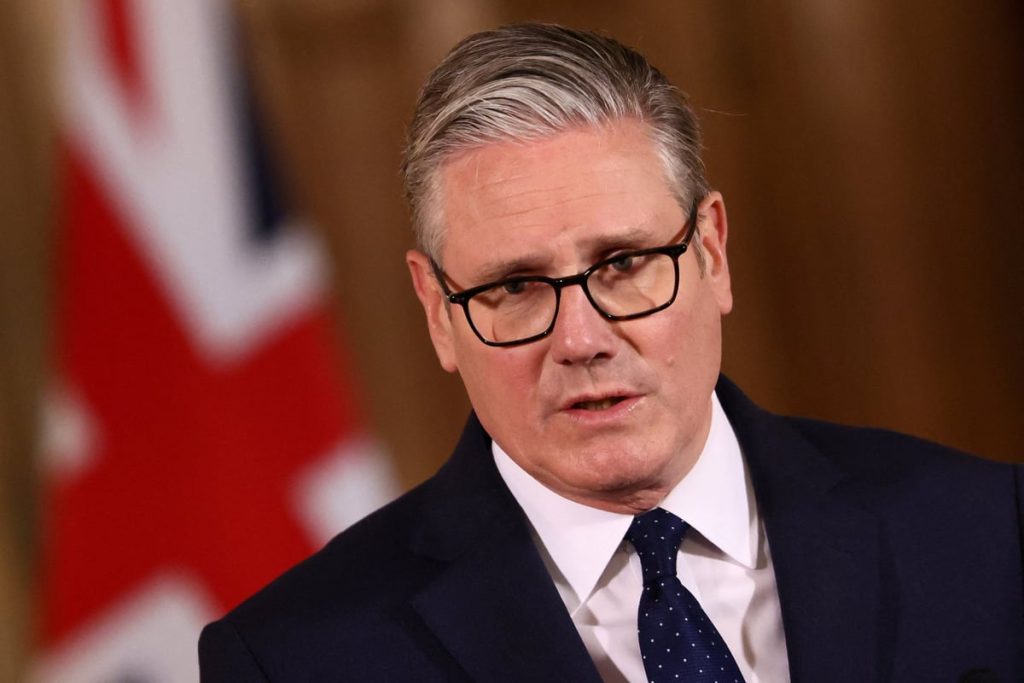
In a significant geopolitical shift for 2026, the United Kingdom has officially announced its intention to enter formal negotiations to join the European Union’s massive £78 billion (€90 billion) loan package for Ukraine. This move marks a pivotal moment in Prime Minister Sir Keir Starmer’s “reset” strategy with Brussels, aiming to solidify the UK’s role as a cornerstone of European security while simultaneously fostering industrial growth at home.
As the European Political Community (EPC) gathers in Yerevan, Armenia, the message from Downing Street is clear: the era of post-Brexit isolationism regarding defense cooperation is being rapidly replaced by a pragmatic, security-first partnership.
A Strategic Reset: Why the UK is Joining the EU Loan
The decision to participate in the EU’s financial aid structure is more than a simple act of charity; it is a calculated strategic maneuver. By joining the mechanism—which was recently unblocked following the defeat of Viktor Orban’s government in Hungary—the UK is positioning itself at the center of Western support for Kyiv.
Bolstering Military Supply Chains
Prime Minister Starmer has emphasized that this collaboration is essential to ensure Ukraine receives the military equipment necessary to sustain its defense against ongoing Russian aggression. Beyond the immediate battlefield impact, the UK government is eyeing the long-term benefits:
Industrial Opportunity: Access to the loan scheme provides British defense firms a competitive edge to bid for vital contracts, potentially creating a surge in high-skilled jobs across the UK.
Unified Front: By aligning with the EU’s financial architecture, the UK minimizes the risk of fragmented support, ensuring that Western aid remains consistent and effective.
Economic Recovery: As Starmer noted, strengthening ties with the continent is a key pillar of his broader economic recovery plan, suggesting that cooperation in security will inevitably lead to stronger economic integration.
The Geopolitical Context: A Changing Landscape
The timing of this announcement is not coincidental. With the global political climate in a state of flux, the UK is seeking to reaffirm its commitments to its European allies.
Navigating the “Volatile Times”
The meeting in Yerevan serves as a critical junction for European leaders. With US President Donald Trump’s administration shifting focus toward conflicts in the Middle East and the fallout from the Iran war, the European continent finds itself increasingly responsible for its own security architecture.
The UK’s involvement in the Strait of Hormuz, a vital artery for global energy, remains a point of concern. Sir Keir is expected to press for a unified response to de-escalate tensions in the region, proving that the UK remains a global security broker even as it deepens its commitment to the European theater.
Defence Cooperation: Beyond the Loan
While the £78bn loan is the headline, it is merely one component of a broader defense initiative. Following the collapse of previous negotiations regarding the £130 billion “Security Action for Europe” fund, the UK has learned that the price of entry must be balanced against the strategic return on investment.
Strengthening Sanctions and Supply Chain Disruption
Downing Street has also confirmed that further sanctions on Russian entities will be implemented later this week. These measures are designed to:
- Choke off military supply chains that facilitate Russia’s continued offensive.
- Counter the “shadow fleet” of vessels used to circumvent international oil sanctions.
- Pressure the Kremlin by targeting the economic arteries that fuel their war machine.
The Domestic View: Politics and Prosperity
The Prime Minister’s trip to Yerevan precedes crucial local elections in the UK. Voters are closely watching how the government handles the balance between international obligations and domestic stability.
Starmer’s argument is that these two objectives are inextricably linked. By investing in European security, the UK is not only protecting its own borders but also securing industrial contracts that drive innovation and employment in British manufacturing hubs. The narrative being presented to the public is one of “security at home, strength abroad.”
Future Outlook: The Summer Summit
As the UK and EU prepare for another joint summit this summer, the parameters of the loan agreement will be the primary focus of technical negotiations. Both parties recognize that the next two years are vital for keeping Ukraine’s state functions afloat.
For the UK, this is a chance to prove that it can remain a influential force in European affairs despite not being part of the EU institutions. It is a delicate balancing act—one that requires maintaining national sovereignty while acting in concert with the bloc to keep the continent safe.
Key Takeaways for the Future of UK-EU Relations
Pragmatism over Ideology: The shift in policy suggests that the UK government is willing to overlook historical Brexit tensions to achieve tangible defense gains.
Economic Integration: The focus on British industry participating in the loan scheme signals a return to a more integrated economic relationship with the EU.
Security Priority: With the US pivot to the Middle East, the UK is signaling that it will step up to fill the vacuum, ensuring that support for Ukraine does not falter.
The coming weeks will be decisive. As negotiations commence, the world will watch to see if the UK can successfully integrate its defense capabilities into the EU framework, turning a period of uncertainty into one of collective strength.