Tragic Hantavirus Outbreak on Cruise Ship: 3 Dead and Global Health Alert

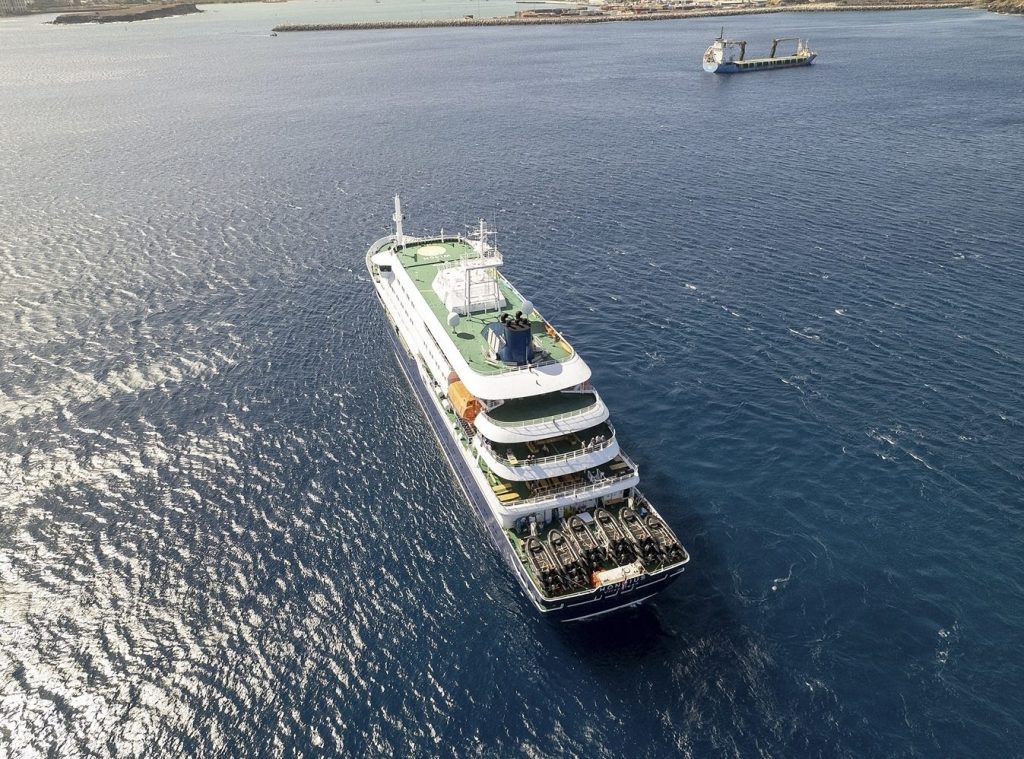
The maritime industry and global health authorities are reeling from a harrowing incident in the South Atlantic. A suspected hantavirus outbreak aboard the m/v Hondius, a vessel operated by Oceanwide Expeditions, has resulted in the tragic deaths of three passengers, while several others remain under medical observation. As the ship made its way toward Cape Verde, the sudden escalation of this rare, rodent-borne illness has sparked an international investigation into how such a pathogen could infiltrate a modern cruise vessel.
The Timeline of the m/v Hondius Crisis
The voyage, which began in the southernmost tip of South America—Ushuaia, Argentina—on March 20, was intended to be an expedition of discovery. Instead, it turned into a race against time for medical teams on board and ashore.
The first signs of trouble emerged mid-voyage. Reports confirmed that a 70-year-old Dutch passenger passed away while the ship was in transit. Following standard maritime protocols, his remains were left in the British territory of Saint Helena, Ascension, and Tristan da Cunha. His 69-year-old wife, who also fell ill, was later evacuated to a hospital in Johannesburg, South Africa, where she unfortunately succumbed to the infection. A third individual has also been confirmed dead, though their identity and specific circumstances remain part of the ongoing WHO-led probe.
Understanding Hantavirus: Why It Is So Dangerous
Hantavirus is not a typical cruise ship pathogen like Norovirus. While common gastrointestinal outbreaks are a known risk in confined maritime environments, hantavirus is significantly more lethal and originates from a different vector entirely.
How Is Hantavirus Transmitted?
The virus is primarily transmitted to humans through contact with the urine, feces, or saliva of infected rodents. When these droppings or nesting materials are disturbed, the virus can become aerosolized, allowing it to be inhaled by humans.
Environmental Exposure: Rodents can infiltrate ships during port stops in remote areas.
Inhalation: The most common route of infection is breathing in contaminated dust particles.
Direct Contact: Touching contaminated surfaces and then touching the eyes, nose, or mouth.
Clinical Symptoms and Severity
According to Health Canada and the World Health Organization (WHO), hantavirus is notoriously difficult to diagnose in its early stages because its symptoms mirror common influenza. Early signs include:
High fever and intense muscle aches.
Persistent headaches and dizziness.
Nausea, vomiting, and severe abdominal pain.
In severe cases, the virus progresses to Hantavirus Pulmonary Syndrome (HPS), where the lungs fill with fluid, leading to acute respiratory distress. The mortality rate for HPS is alarmingly high, with nearly 40% of diagnosed patients unable to recover.
Current Status of the Investigation
As the m/v Hondius docked in Praia, Cape Verde, on Sunday night, the vessel became the center of a massive epidemiological study. The WHO has confirmed at least one positive case, while five additional passengers are currently being treated or monitored as suspected cases.
British national authorities have been working closely with South African medical teams to care for the evacuated passengers. “Detailed investigations are ongoing, including further laboratory testing and epidemiological investigations,” a WHO spokesperson stated. “Sequencing of the virus is also currently underway to understand the specific strain and its origin.”
The Challenge of Maritime Disease Control
Cruise ships present unique challenges for disease containment. With 170 passengers, 57 crew members, and 13 specialized guides on board, the m/v Hondius is a dense environment. While the ship is well-equipped with medical facilities, the specialized care required for hantavirus—often involving intensive care ventilation—is difficult to provide at sea.
Moving Forward: Safety Measures and Protocols
The tragedy on the m/v Hondius serves as a grim reminder of the importance of maritime sanitation and rodent control. Oceanwide Expeditions, like other cruise operators, maintains strict biosecurity protocols, but the nature of expedition cruising—which involves frequent stops in remote, wildlife-rich areas—increases the risk of rodent interaction.
What Passengers Should Know
- Be Aware of Symptoms: If you have recently traveled on an expedition ship and experience sudden respiratory issues, seek medical attention immediately and disclose your travel history.
- Hygiene Matters: Maintain strict hand hygiene and avoid contact with any signs of rodent activity in storage areas or decks.
- Stay Informed: Follow updates from the WHO and local health authorities regarding the specific strain identified on the Hondius.
Conclusion
The loss of three lives in such a short period is a devastating blow to the cruise community and the families involved. As of May 2026, the medical community remains on high alert, working to prevent further transmission from this suspected outbreak. The focus remains on providing life-saving support to those still battling the virus and identifying how the infection entered the ship’s ecosystem.
While the cruise industry continues to evolve to meet modern health standards, this incident underscores that even with the best technology and protocols, nature remains an unpredictable factor. We will continue to update this story as more information regarding the viral sequencing and the status of the remaining patients becomes available.