The 30-Day Ultimatum: Iran’s New Proposal and the Global Stakes of the U.S.-Iran Conflict

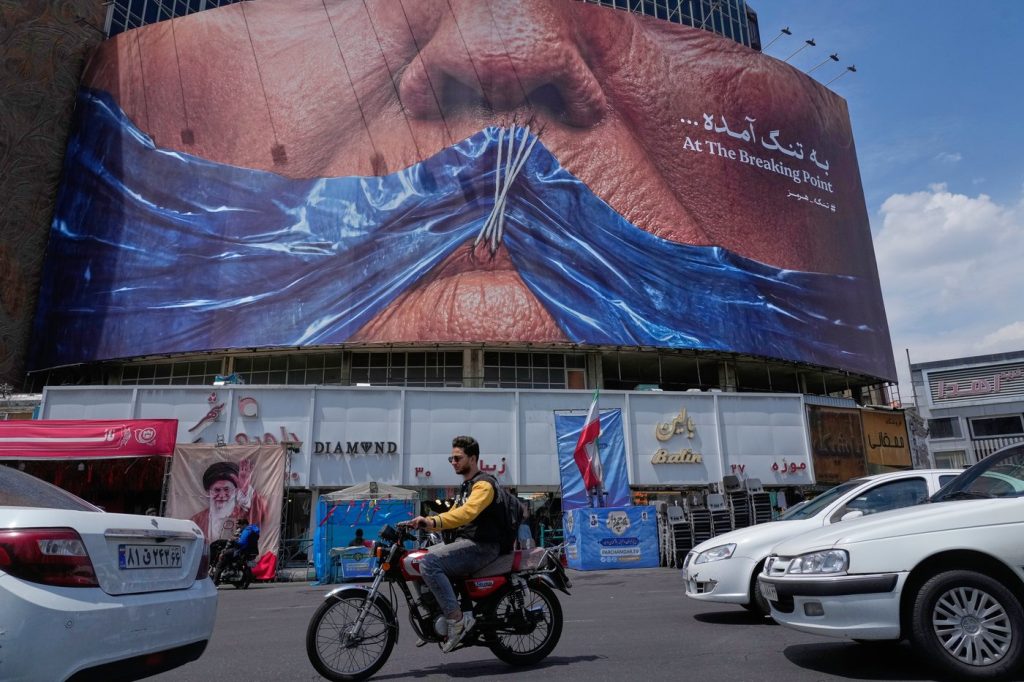
As the geopolitical landscape of the Middle East remains in a state of high tension, a new diplomatic pivot has emerged from Tehran. In a move that has caught the attention of global markets and security analysts alike, Iran has submitted a 14-point proposal to the United States, calling for a comprehensive resolution to the ongoing war within a strict 30-day timeframe.
This development, reported by state-linked media, marks a departure from the previous pattern of seeking temporary ceasefire extensions. Instead, Tehran is pushing for a definitive end to hostilities. However, President Donald Trump, while confirming the review of this new plan, has expressed significant skepticism regarding its viability, setting the stage for a high-stakes diplomatic standoff.
The 14-Point Proposal: What Does Iran Want?
The proposal, delivered via Pakistani intermediaries, serves as a direct rebuttal to the U.S.-led nine-point plan. It is a comprehensive document that seeks to reshape the regional security architecture.
Key demands within the proposal include:
The total lifting of U.S. sanctions currently crippling the Iranian economy.
An end to the U.S.-led naval blockade of Iranian ports.
The immediate withdrawal of foreign military forces from the region.
A full cessation of all hostilities, specifically citing operations conducted by Israel in Lebanon.
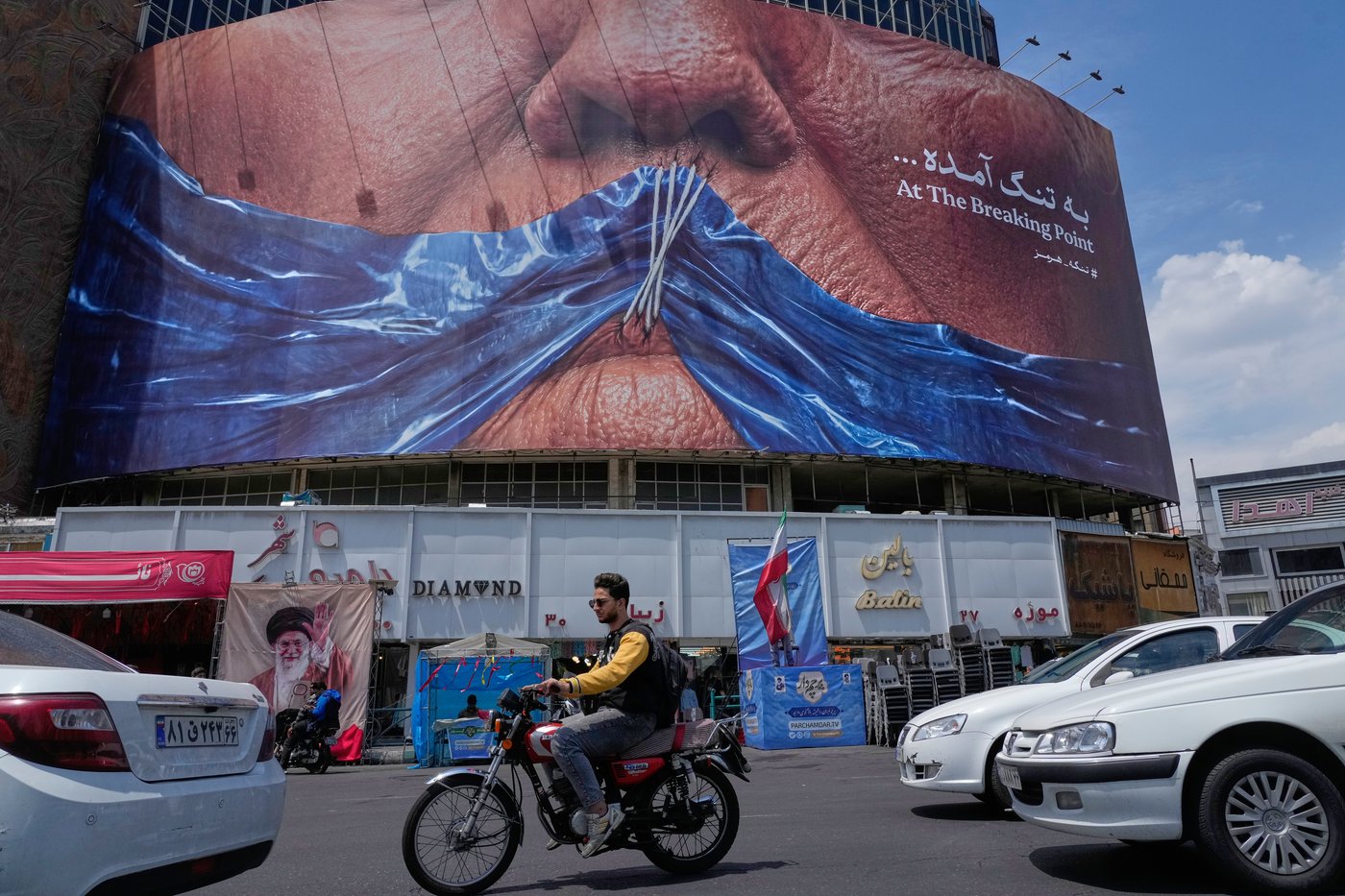
The involvement of Pakistan—a nation that has historically facilitated back-channel communications between Washington and Tehran—underscores the gravity of the situation. Despite the public posturing, back-channel discussions are reportedly ongoing, even as President Trump remains cautious about the sincerity of the offer.
The Strategic Battle for the Strait of Hormuz
Central to the conflict is the Strait of Hormuz, a vital maritime chokepoint that facilitates nearly 20% of the world’s oil and natural gas trade. Since the outbreak of hostilities on February 28, 2026, the waterway has become a flashpoint for global energy security.
Iran’s deputy parliament speaker, Ali Nikzad, recently reiterated that Tehran views the Strait as its sovereign territory. The Iranian government has signaled it will not return to pre-war operational conditions, insisting that any non-U.S. or non-Israeli vessels can pass—provided they pay a transit toll.
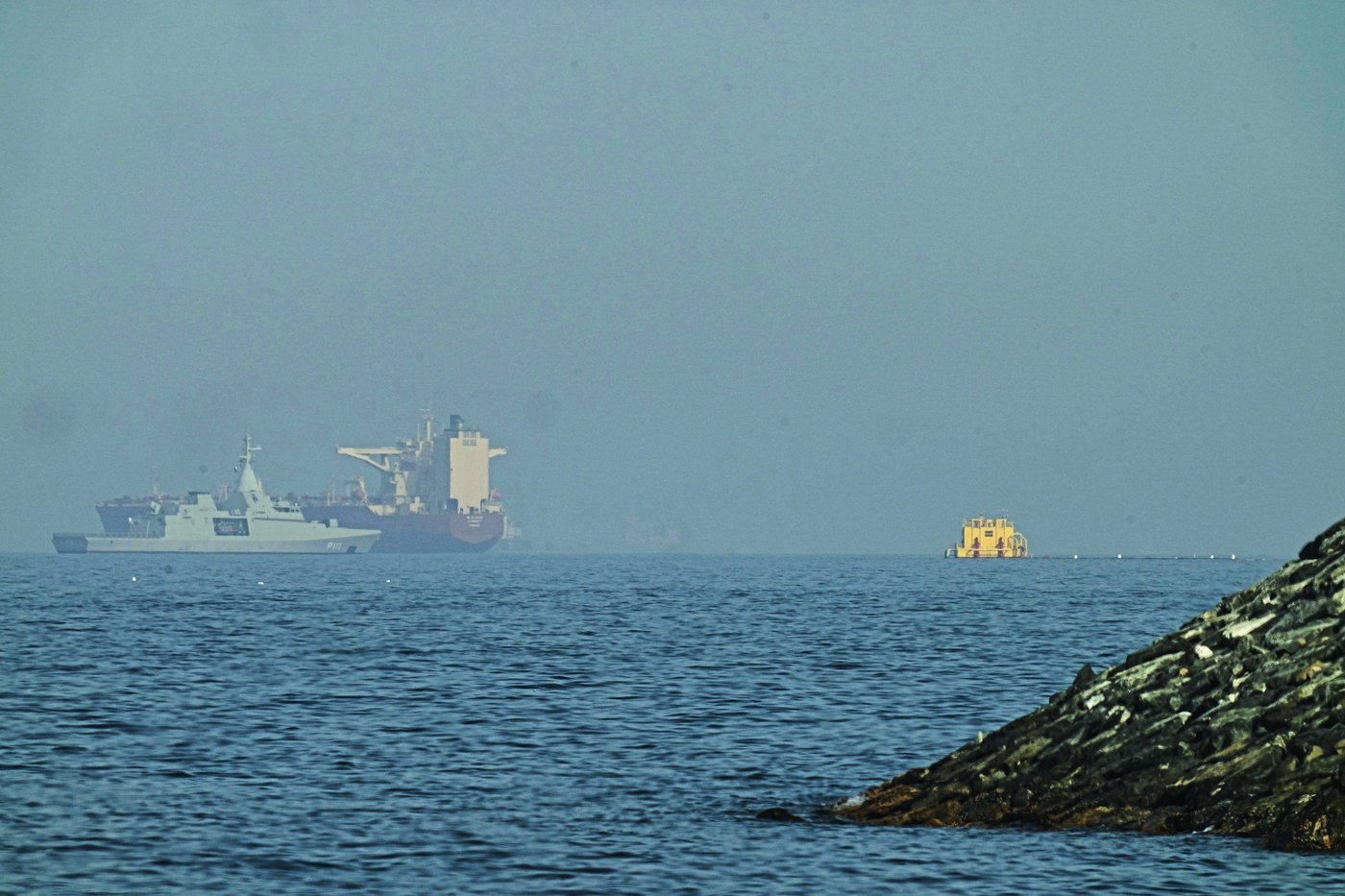
The United States has countered this by warning shipping companies that paying these tolls—particularly through digital assets—could trigger severe U.S. sanctions. The U.S. naval blockade, active since mid-April, continues to squeeze Iran’s oil revenues, creating a vicious cycle of economic decline and aggressive posturing.
Economic Fragility and Domestic Unrest
The war is taking a heavy toll on the Iranian economy, with the rial plummeting to historic lows. As of early May 2026, the currency was trading at 1,840,000 to the U.S. dollar in the markets of Tehran. This represents a staggering decline from December, when the rial hit its previous record low.

The instability in the markets has led to:
- Rising inflation: Prices for basic goods and commodities are increasing on a daily basis.
- Labor market contraction: Numerous factories have failed to renew employment contracts following the Iranian New Year, leading to a spike in unemployment.
- Political polarization: Advisers to President Masoud Pezeshkian have noted that both Washington and Tehran currently view themselves as “winners” in the current war, making compromise incredibly difficult.
Humanitarian Concerns: The Case of Narges Mohammadi
Beyond the military and economic conflict, the international community remains deeply concerned about the human rights situation within Iran. The Norwegian Nobel Committee has issued an urgent call for the immediate medical transfer of Nobel Peace Prize laureate Narges Mohammadi.
Mohammadi, who was awarded the Nobel Prize in 2023, has seen her health deteriorate significantly after fainting twice in prison. Her legal team suspects she suffered a heart attack in late March. Her ongoing detention, combined with the lack of access to specialized medical care, has kept her case at the forefront of international advocacy efforts.
Outlook: Can Diplomacy Prevail?
As we move through May 2026, the question remains: is a 30-day resolution realistic?
The current environment is characterized by deep-seated mistrust. While the three-week ceasefire is technically holding, the underlying grievances regarding nuclear proliferation, regional influence, and economic sanctions remain unaddressed. For a deal to be reached within the 30-day window proposed by Iran, both Washington and Tehran would need to make significant concessions that currently appear out of reach.
The U.S. administration is focused on containing Iran’s nuclear advancement, while Tehran is focused on survival and the lifting of the suffocating naval blockade. Without a fundamental shift in the negotiating stance of either party, the region faces the risk of a prolonged, grinding conflict that threatens the stability of global energy markets and the lives of millions in the Middle East.