Summer Holiday Rescue: Why New UK Flight Rules Mean Fewer Last-Minute Cancellations

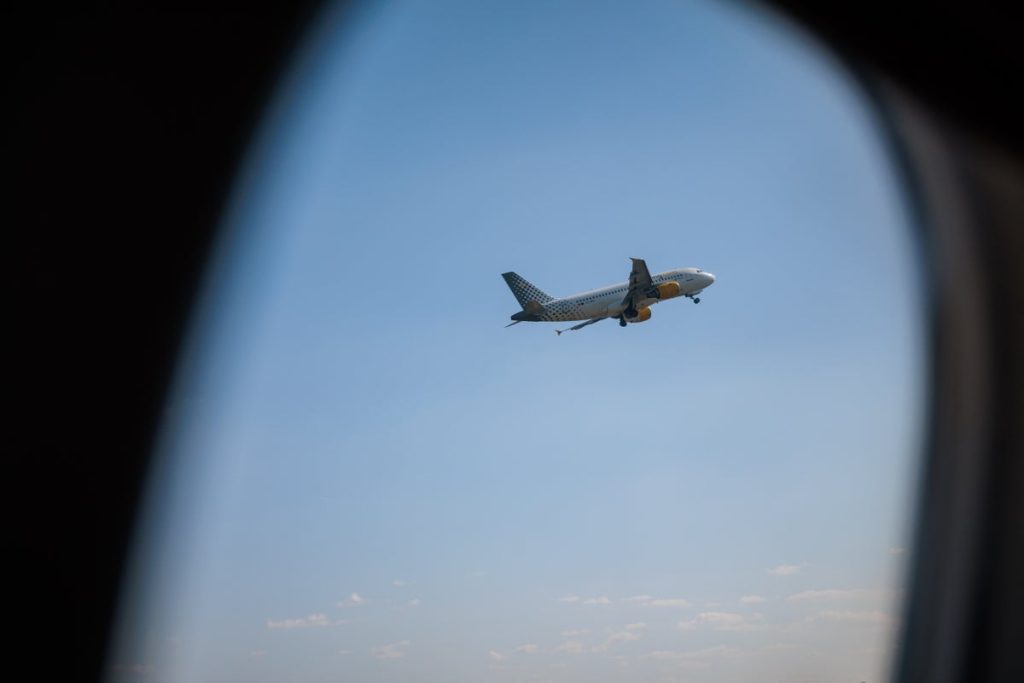
As the 2026 summer travel season approaches, the shadow of global instability looms large over British airports. With the conflict in Iran significantly impacting the Strait of Hormuz, the global aviation industry has been sent into a tailspin. Skyrocketing jet fuel costs—which have effectively doubled in recent months—have left airlines scrambling to maintain schedules while balancing unsustainable operational expenses.
In a proactive bid to protect the hard-earned summer holidays of millions, the UK government has announced a strategic shift in aviation policy. By relaxing rigid “use it or lose it” flight slot regulations, ministers are empowering airlines to consolidate their schedules, theoretically preventing the chaotic, last-minute cancellations that plagued previous travel seasons.
The Jet Fuel Crisis: Why Your Flight Might Be Affected
The current crisis is not merely a logistical headache; it is a direct result of geopolitical tension. As fuel prices climb, the economic viability of operating less-popular, low-capacity, or short-haul business routes has evaporated. Airlines globally are facing a stark choice: hike ticket prices to exorbitant levels or ground aircraft to conserve fuel for high-demand holiday routes.
The impact is already being felt internationally. We have seen major carriers across the globe cutting schedules, and in the United States, the collapse of Spirit Airlines after 34 years of operation has sent a shockwave through the industry. For British travelers, the fear was that a similar “domino effect” would leave families stranded at departure gates this summer.
New Government Strategy: A Shift in Slot Regulations
To mitigate the risk of mass disruption, Transport Secretary Heidi Alexander has introduced a temporary relaxation of the UK’s airport slot rules. Under normal circumstances, airlines are required to operate a minimum percentage of their allocated take-off and landing slots to retain them for the following season. Failing to meet these targets often results in the loss of valuable slots at major hubs like Heathrow, Gatwick, and Manchester.
By “pausing” or adjusting these requirements, the government is allowing airlines to:
Merge low-demand flights: Consolidate multiple partially-filled flights into one, optimizing fuel efficiency.
Cancel non-essential routes: Free up fuel reserves for peak-season holiday destinations.
Avoid penalties: Airlines can hand back slots temporarily without the long-term risk of losing their operational rights for 2027.
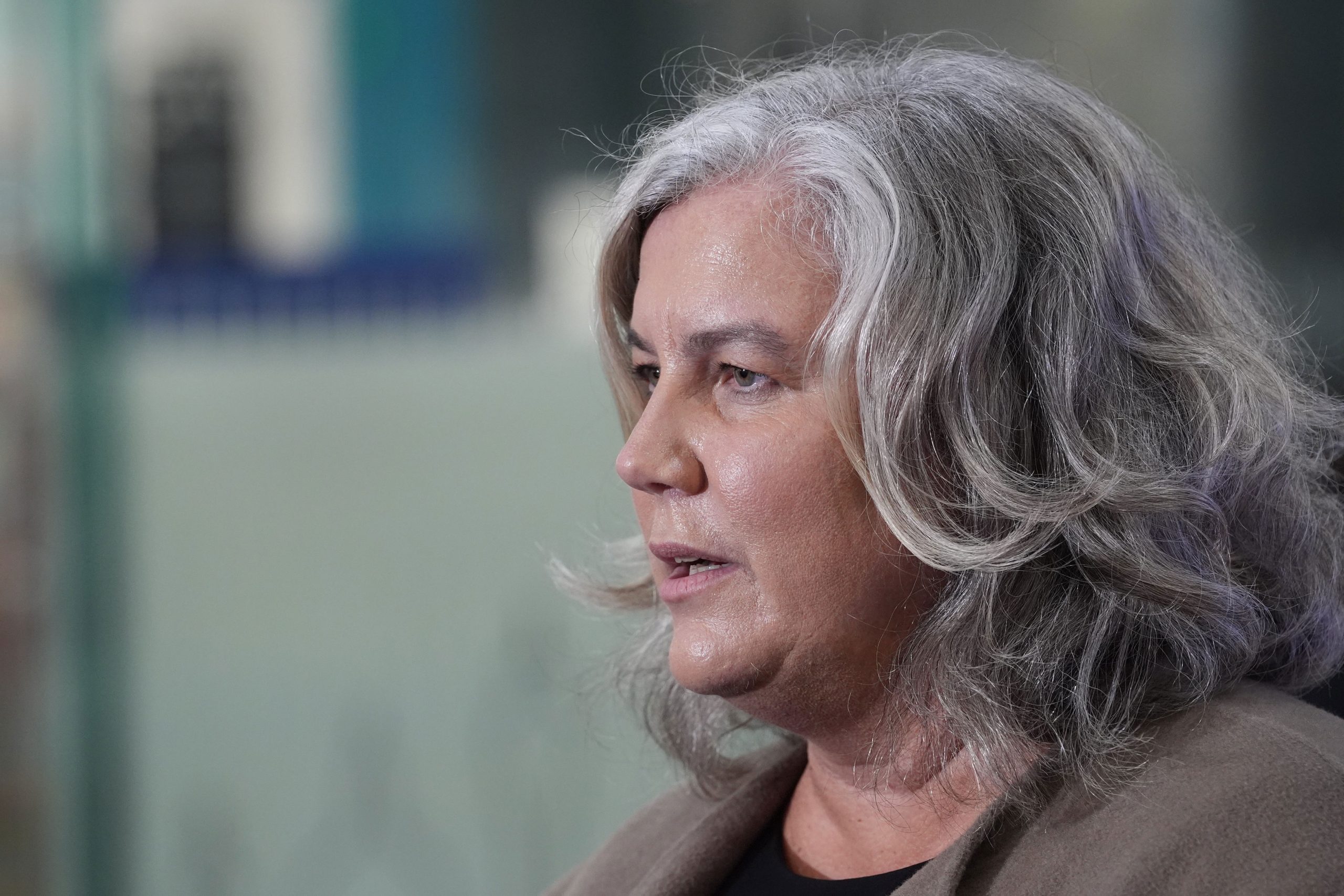
“The government has been monitoring jet fuel supplies daily,” Secretary Alexander noted. “We are preparing now to give families long-term certainty and avoid unnecessary disruption at the departure gate this summer.”
What This Means for Your 2026 Travel Plans
For the average holidaymaker, the primary goal of this policy is predictability. While the prospect of a cancelled flight is never ideal, a cancellation announced weeks in advance is significantly easier to manage than one discovered at the airport.
Passenger Rights and Protections
The UK Civil Aviation Authority (CAA) has been clear: consumer protection remains paramount. Even if an airline chooses to cancel a flight under these new, more flexible rules, passengers are still entitled to:
- Full Refunds: A total return of the ticket cost if an alternative flight is not suitable.
- Rerouting: The right to be booked onto an alternative flight, potentially with a competing carrier.
- Advance Notice: Regulators are pressuring airlines to provide the maximum possible notice for any schedule changes, ensuring passengers have time to adjust their plans.
Industry Reaction: A Necessary Intervention
The aviation sector, which includes heavyweights like British Airways, EasyJet, Jet2, Ryanair, TUI, and Virgin Atlantic, has largely welcomed the move. Tim Alderslade, CEO of Airlines UK, emphasized that this flexibility allows carriers to “adjust schedules responsibly” while maintaining essential connectivity.
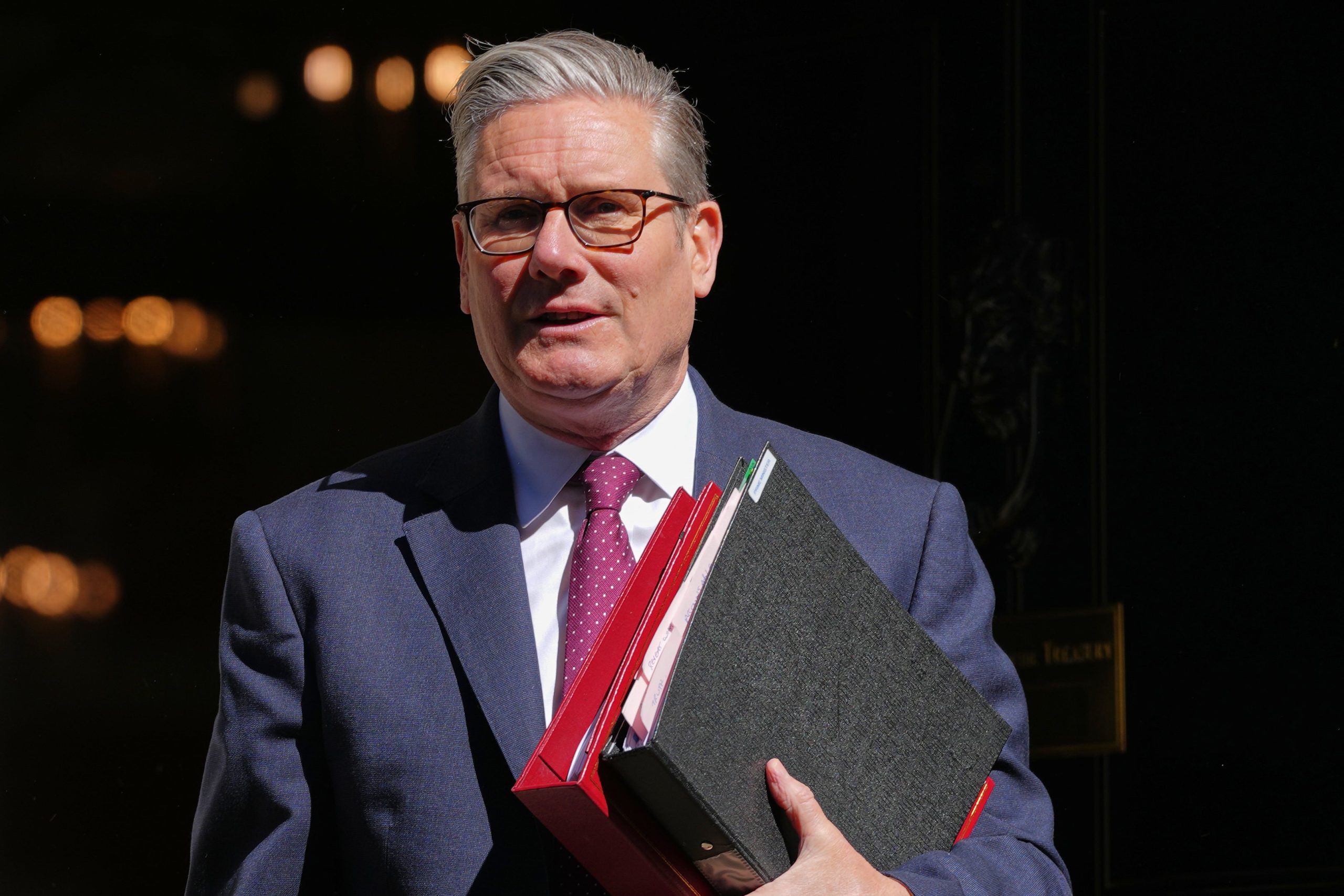
However, the warnings from the Prime Minister remain pertinent. Earlier this year, there were suggestions that travelers might need to reconsider their holiday destinations if the situation in the Middle East remains volatile. While the UK is diversifying its fuel supply—importing from the United States and other non-Strait-of-Hormuz-dependent regions—the global price of oil remains a volatile variable that no government can fully control.
Expert Analysis: Is This Enough?
Travel expert Simon Calder has highlighted that the government’s directive is essentially a “safety valve” for the industry. By allowing airlines to ask for permission to ground flights sooner, the authorities are hoping to move away from the “last-minute panic” model of 2022 and 2023.
The success of this policy hinges on the transparency of the airlines. If carriers use this flexibility to over-cancel and inflate prices, it may lead to a public relations backlash. However, if managed correctly, this intervention could be the difference between a functional, albeit tighter, summer travel market and a summer of total systemic failure.
Preparing for Your Summer Trip
If you have booked a holiday for 2026, experts suggest the following steps to ensure peace of mind:
Monitor your email: Ensure your airline has your correct contact information for real-time updates.
Check your insurance: Ensure your travel insurance policy covers “disruption” or “cancellation” specifically related to fuel shortages or geopolitical events.
Be flexible: If your flight is one of those merged or cancelled, act quickly to rebook via the airline’s portal to secure the best alternative route.
As we move into the peak booking season, the travel industry is striving to restore confidence. While the geopolitical landscape remains unpredictable, the government’s decision to prioritize flight stability over rigid bureaucracy is a welcome development for millions of families looking forward to their well-deserved breaks.