Strategic Shift: Trump Signals Further US Troop Reductions in Germany Amid Diplomatic Standoff

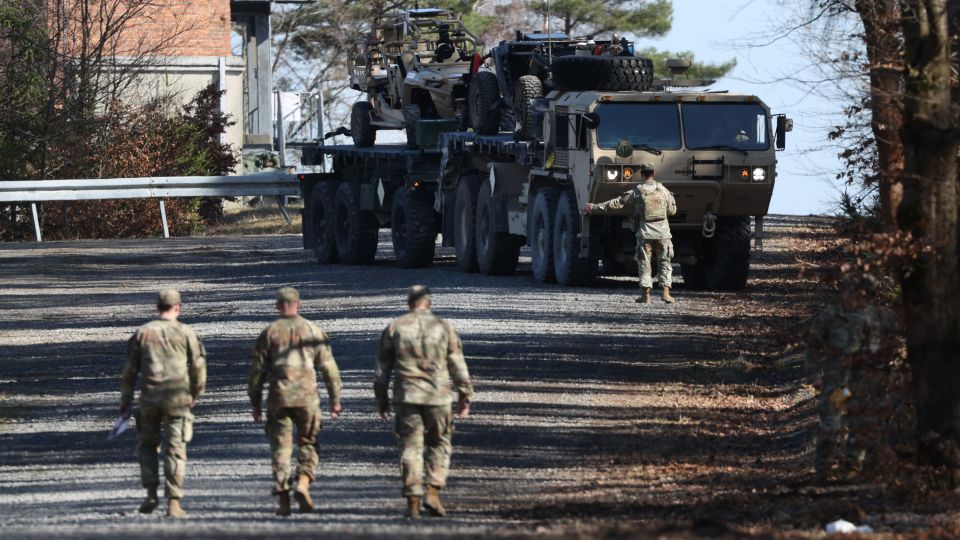
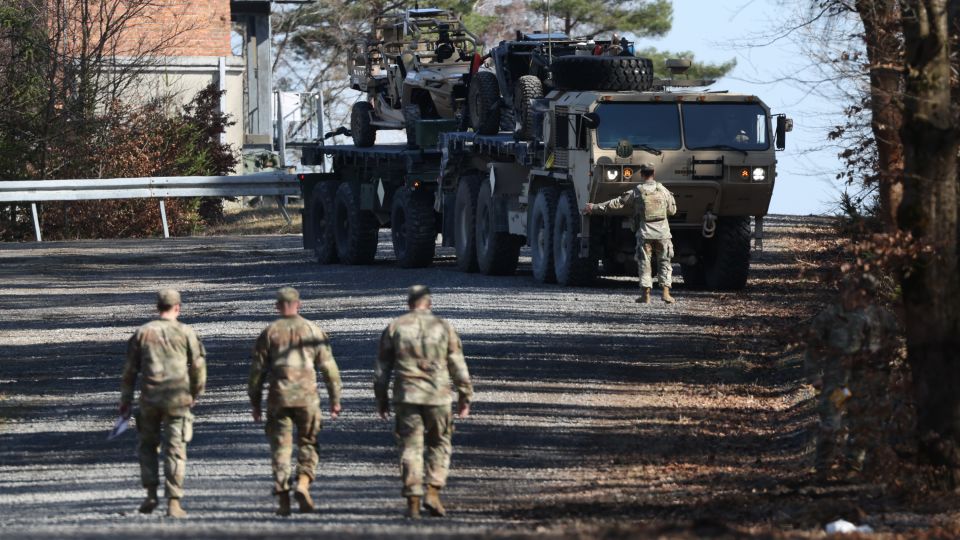
The geopolitical landscape of Europe is undergoing a seismic shift in 2026. The Pentagon’s recent announcement regarding the withdrawal of 5,000 US troops from Germany has sent shockwaves through NATO, marking a significant recalibration of American military posture. However, the most striking development is not just the initial drawdown, but President Donald Trump’s explicit threat that these cuts are merely the “beginning” of a broader restructuring.
This move follows months of escalating tension between Washington and Berlin, specifically concerning the US-led war with Iran. As the friction between European leadership and the White House reaches a boiling point, the future of the transatlantic alliance appears increasingly uncertain.
The Pentagon’s Drawdown: A Tactical Realignment?
The official announcement from the Pentagon, delivered by chief spokesman Sean Parnell, frames the decision as a “thorough review of the Department’s force posture.” According to the report, the 5,000 troops will be phased out over the next six to twelve months.
Despite the reduction, over 30,000 American service members will remain in Germany. The military rationale centers on “theater requirements and conditions on the ground.” However, political analysts suggest that the logistical adjustments are secondary to the underlying diplomatic dispute.
Why Germany? The Strategic Importance of Ramstein
Germany serves as the heartbeat of US operations in Europe. Ramstein Air Base is not merely a facility; it is the headquarters for US Air Forces in Europe and a critical hub for global logistics, including medical evacuations and strategic airlift capabilities. Any reduction in force levels in Germany directly impacts the efficiency of US military reach into the Middle East and Africa.
The Root of the Conflict: Iran and Diplomatic Friction
The catalyst for this military pivot is a sharp disagreement regarding the ongoing war with Iran. President Trump has expressed profound frustration with European allies, characterizing their support as insufficient and their criticism as unhelpful.
The Chancellor’s Critique
The tension flared when German Chancellor Friedrich Merz publicly labeled the US war strategy as “ill-considered,” suggesting that the United States was being “humiliated” by Iranian leadership. Merz’s remarks, which highlighted a lack of clear strategic direction in the conflict, drew a sharp rebuttal from the White House.
President Trump dismissed the Chancellor’s assessment, stating that Merz “doesn’t know what he’s talking about.” This verbal sparring has quickly transitioned from diplomatic tension into tangible policy consequences, as seen in the troop reduction orders.
The Ripple Effect: Italy and Spain in the Crosshairs
The threat of withdrawal is not limited to Germany. President Trump has explicitly signaled that other NATO members may face similar consequences. When asked about potential further cuts, the President noted that Italy has “not been of any help” and described Spain’s contribution to the geopolitical situation as “horrible.”
For NATO, this poses a fundamental challenge to collective security. If the US continues to scale back its presence in Western Europe, the burden of defense will shift rapidly toward individual European nations.
Is Europe Ready to Stand Alone?
German Defense Minister Boris Pistorius has attempted to frame the move as “foreseeable,” suggesting that the situation serves as a wake-up call for Europe. He maintains that Germany is on the “right track” toward taking greater responsibility for its own security. However, military experts warn that the rapid departure of US assets could leave a vacuum that European defense initiatives are not yet equipped to fill.
Congressional Concerns and the Future of NATO
The decision has not been met with universal approval, even within the President’s own party. Republican leaders, including Senator Roger Wicker and Representative Mike Rogers, have voiced “very serious concerns” regarding the withdrawal.
A Proposal for Eastern Redeployment
Instead of bringing troops home, these lawmakers are urging the administration to relocate personnel to the Eastern flank of NATO. By moving troops to countries that have made significant investments in hosting US forces, the US could:
- Strengthen the front lines against potential regional aggression.
- Maintain a presence in Europe without relying on “uncooperative” partners.
- Deter conflicts from escalating into more costly, full-scale wars.
The Economic and Strategic Outlook for 2026
As of December 2025, the US maintained 36,436 active-duty personnel in Germany. The 2026 drawdown will inevitably alter the local economies surrounding bases like Ramstein and Grafenwoehr. Beyond the economic impact, the diplomatic decoupling between Washington and Berlin could redefine the Atlantic alliance for a generation.
While Berlin has pledged naval support in the Mediterranean to assist in potential post-war stabilization—specifically regarding the reopening of the Strait of Hormuz—these gestures have yet to satisfy the White House. The administration’s demand for greater alignment on Iran remains the primary condition for a thaw in relations.
Conclusion: A New Era of Transatlantic Relations
The withdrawal of 5,000 troops from Germany is more than a military adjustment; it is a clear message that the current administration is willing to leverage its global military presence to enforce political alignment. As the US moves deeper into this period of isolationist-leaning foreign policy, European powers must decide whether to pivot toward greater military autonomy or attempt to mend the fraying ties with Washington.
For now, the world watches as the strategic map of Europe is rewritten. With further cuts promised, the stability of the NATO alliance remains the most significant question mark in the 2026 global security architecture.