Strategic Shift: Trump Announces Deeper U.S. Troop Reductions in Germany

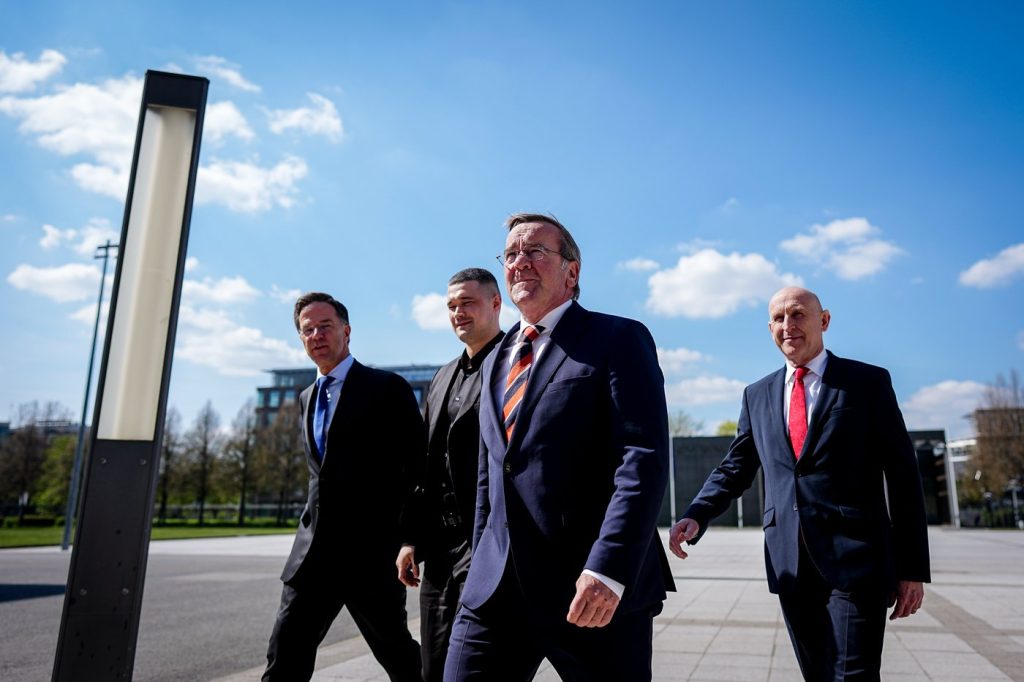
The geopolitical landscape of Europe is facing a seismic shift in 2026. President Donald Trump has officially declared that the United States intends to scale back its military footprint in Germany far beyond the previously announced withdrawal of 5,000 personnel. This move marks a significant escalation in the ongoing friction between the White House and Chancellor Friedrich Merz, signaling a broader pivot in U.S. foreign policy regarding long-term European security commitments.
The Scope of the Withdrawal: Beyond the Initial 5,000
While the Pentagon initially outlined a plan to pull 5,000 troops from German soil—a move intended to rebalance theater requirements—President Trump’s recent comments from West Palm Beach have expanded the scope of this drawdown. By stating the U.S. is going to “cut way down” and go “a lot further” than the initial estimate, the administration is signaling a departure from the post-World War II status quo.
Currently, the U.S. maintains approximately 36,000 service members in Germany. A reduction of 5,000 would have represented about one-seventh of that force. However, if the administration follows through on a more aggressive withdrawal, the operational capabilities of U.S. European Command (EUCOM) could be fundamentally altered.
Tensions with Chancellor Merz and Trade Friction
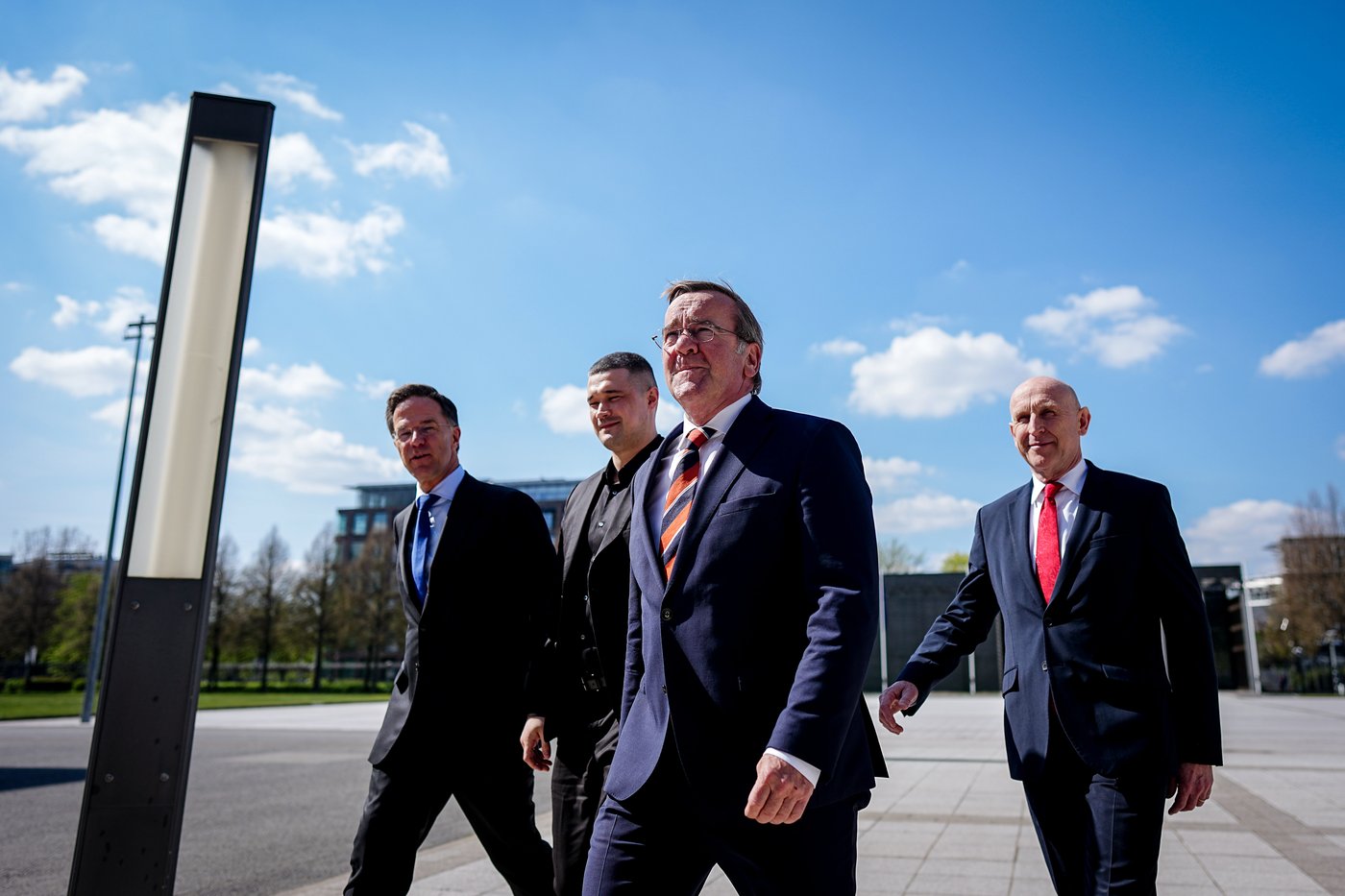
The decision to pull troops comes at a time of strained trans-Atlantic relations. The relationship between President Trump and Chancellor Friedrich Merz has reached a low point, exacerbated by disagreements over the war in Iran and the European Union’s trade policies.
Trump has openly criticized European leaders for their perceived unwillingness to fully align with U.S. strategic campaigns. Furthermore, the threat of imposing a 25% tariff on cars and trucks produced within the EU bloc adds an economic layer to the military dispute. For Germany, a nation whose economy is heavily reliant on automotive manufacturing, these combined pressures represent a dual challenge: maintaining national defense while navigating a hostile trade environment with its most critical security partner.
The Defense Minister’s Stance: “More Responsibility”
German Defense Minister Boris Pistorius has navigated this announcement with a blend of resignation and pragmatism. While acknowledging that the security cooperation is mutually beneficial, he has echoed a growing sentiment among European leaders: the continent must take greater ownership of its own defense.
“We Europeans must take on more responsibility for our security,” Pistorius stated in response to the news. This shift aligns with the long-term goals of NATO, which has been pushing member states to increase their defense spending to 5% of their economic output. Despite this, the sudden nature of the U.S. announcement has left NATO officials scrambling to understand the long-term impact on regional deterrence.
Bipartisan Concern in Washington
In the U.S., the move has not been met with universal approval. Both Democratic and Republican lawmakers have expressed deep concern regarding the implications of this withdrawal. Key figures, including Senator Roger Wicker and Representative Mike Rogers, have warned that such a reduction sends a dangerous signal to Russian President Vladimir Putin, especially as the conflict in Ukraine enters its fifth year.
Critics argue that:
Deterrence is weakened: Reducing the number of troops, particularly specialized units like the Long-Range Fires Battalion, degrades the ability to respond to regional aggression.
Lack of Coordination: There is frustration that the Pentagon and the White House have not adequately consulted with the Congressional oversight committees, leading to concerns about the lack of a clear, long-term strategic plan.
- Strategic Miscalculation: By withdrawing forces, the U.S. may be inadvertently signaling a retreat from its role as the primary guarantor of European stability.
Impact on NATO and Future Security
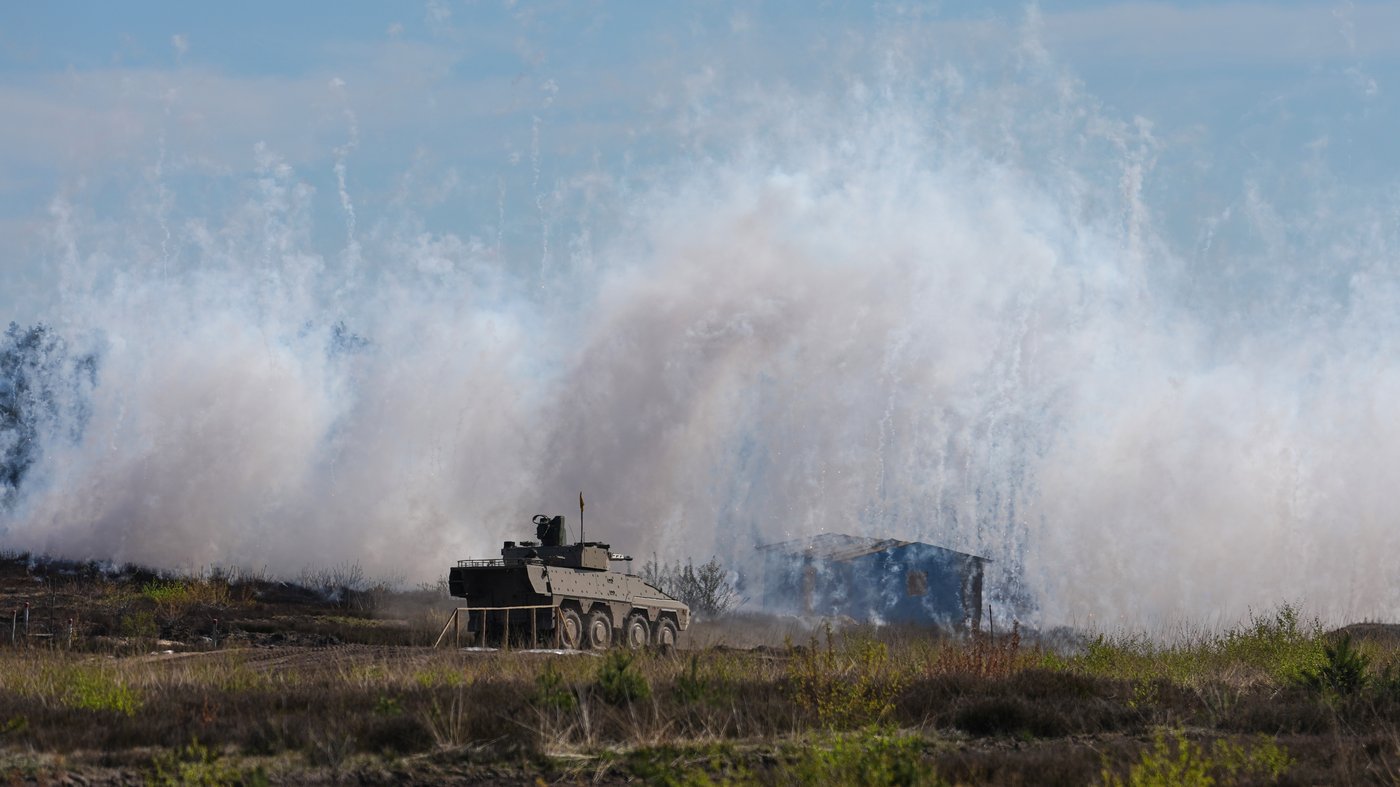
The presence of U.S. troops in Germany is not merely symbolic. Bases like Ramstein Air Base and the Landstuhl medical center serve as critical hubs for global U.S. operations. The withdrawal of a brigade combat team, such as the 2nd Cavalry Regiment, would remove significant combat power from the continent.
NATO spokesperson Allison Hart noted that the alliance is working closely with Washington to parse the details of this force posture adjustment. As Europe faces the ongoing complexities of the war in Ukraine and the need for a unified stance on Eastern European security, the timing of this drawdown is being viewed by many analysts as a critical test for the trans-Atlantic alliance.
Conclusion: A New Era of European Autonomy?
President Trump’s announcement marks a pivot point in history. Whether viewed as a necessary cost-saving measure that forces allies to step up, or a reckless abandonment of long-standing security commitments, the reality remains the same: the U.S. is pulling back.
For Germany and the rest of the European Union, the mandate is clear. The era of relying exclusively on the American security umbrella is waning. As 2026 progresses, the world will be watching to see how European nations bolster their own defense capabilities in the absence of a large-scale American presence. The coming months will likely see intense diplomatic negotiations as NATO attempts to recalibrate its strategy in the face of a changing, and potentially more isolated, U.S. foreign policy.